Drama · Sport

Million Dollar Baby

Clint Eastwood, 2004

A determined waitress from a poor Missouri family talks a reluctant boxing trainer into coaching her. Against all expectations, she rises to a championship fight. Then a catastrophic injury turns the film into something far darker. I feel like Eastwood's film is about the cost of devotion.

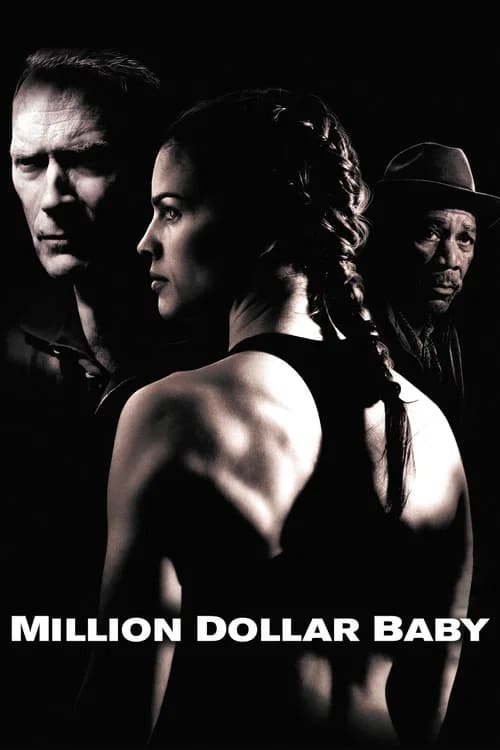
Million Dollar Baby (2004) poster

At a glance

Million Dollar Baby is a 2004 drama and sport film directed by Clint Eastwood. This breakdown covers 4 techniques (1 editing, 2 narrative and 1 cinematography), each with the scene where you can see it. If you like how it is made, Chinatown uses several of the same techniques.

Editing

Mentor Training Montage

Squeezing a long period of training under a teacher into a short sequence of quick clips. You watch failed attempts turn into small wins, which makes the student's growth believable.

How this film uses it

Eastwood's training montages are there to build character. They show the specific, gruff tenderness of Frankie's methods and Maggie's ferocious will. You watch a relationship form through physical discipline.

Where to see it

The early training sequences in the Hit Pit gym. Frankie's reluctant corrections turn into a kind of devotion he refuses to name.
Narrative

Tonal Bifurcation

Giving a film 2 very different tones, such as comedy and tragedy, often split into halves. Each makes the other hit harder, and the film never blends them into 1.

How this film uses it

For most of its runtime, the film works as a boxing success story. Then it turns catastrophically at the championship fight and becomes an intimate story about grief. The turn changes how you see everything before it.

Where to see it

The illegal punch after the bell at the championship fight and Maggie's fall onto her corner stool. The film breaks its promise to be a boxing story here, and something rawer and harder takes over.

Narrative

Retrospective Voiceover

Having a narrator tell the story from some point after it happened. The events feel like memory, and you sense early on that something will be lost.

How this film uses it

Eddie Dupris narrates the film looking back, in the form of a letter to Frankie's estranged daughter. Every scene ends up feeling like testimony, a man explaining to an absent person what her father was.

Where to see it

The final voiceover. It explains what Frankie did for Maggie before he disappeared. Because it is a letter, his absence is left as the film's last mystery.

Cinematography

Chiaroscuro Lighting

Lighting a scene with strong contrast between bright light and deep shadow, a style borrowed from old paintings called chiaroscuro. How lit a character is hints at their moral or mental state.

How this film uses it

Tom Stern's photography keeps the gym underlit at all times, amber against darkness. It feels like a place outside normal social time, a private world with its own ethics.

Where to see it

Maggie working the speed bag at night in the gym after Scrap closes up.

Questions

Million Dollar Baby: quick answers

What filmmaking techniques does Million Dollar Baby use?
CineCode breaks down 4 techniques in Million Dollar Baby (2004): Mentor Training Montage, Tonal Bifurcation, Retrospective Voiceover and Chiaroscuro Lighting.
Who directed Million Dollar Baby?
Clint Eastwood directed Million Dollar Baby, released in 2004. CineCode also covers Unforgiven (1992), Mystic River (2003), Gran Torino (2008), Changeling (2008), Invictus (2009), American Sniper (2014).
What films are similar to Million Dollar Baby?
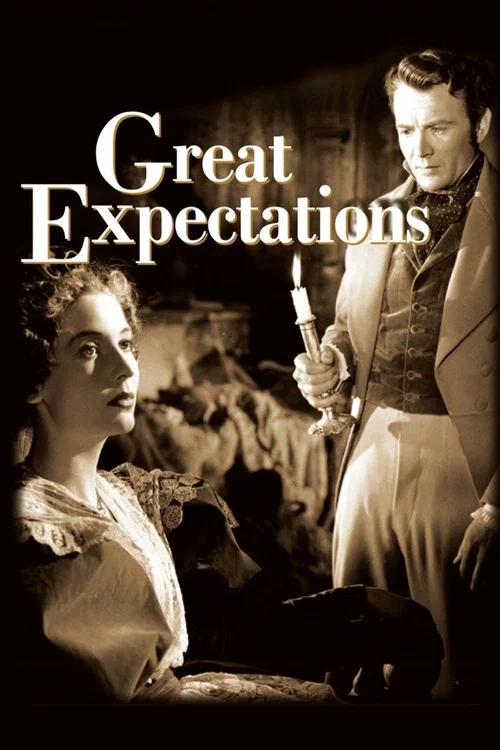
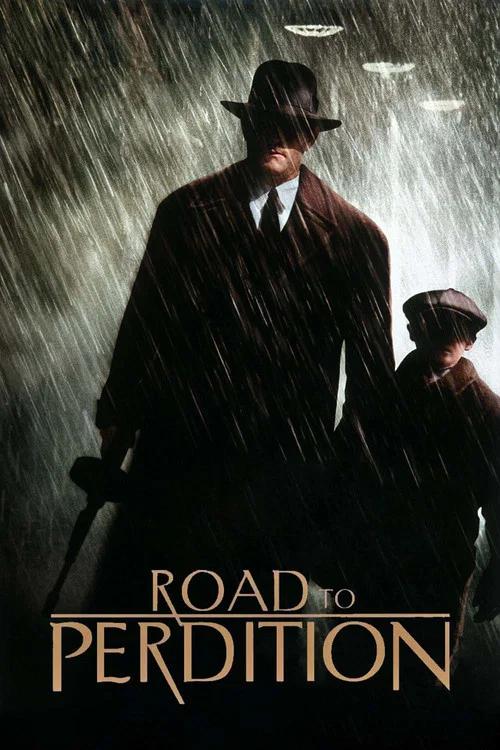
Films that share techniques with Million Dollar Baby include Chinatown (1974), True Grit (2010), Great Expectations (1946), Road to Perdition (2002).