Animation · Fantasy · Adventure

Howl's Moving Castle

Hayao Miyazaki, 2004

Sophie, a quiet young hat maker, is cursed by a witch and turned into an old woman. She finds work as a cleaner in the wizard Howl's walking castle while a war closes in on the kingdom. Watch how Miyazaki lets painted worlds and a heroine's changing face say what the dialogue never does.

Howl's Moving Castle (2004) poster

At a glance

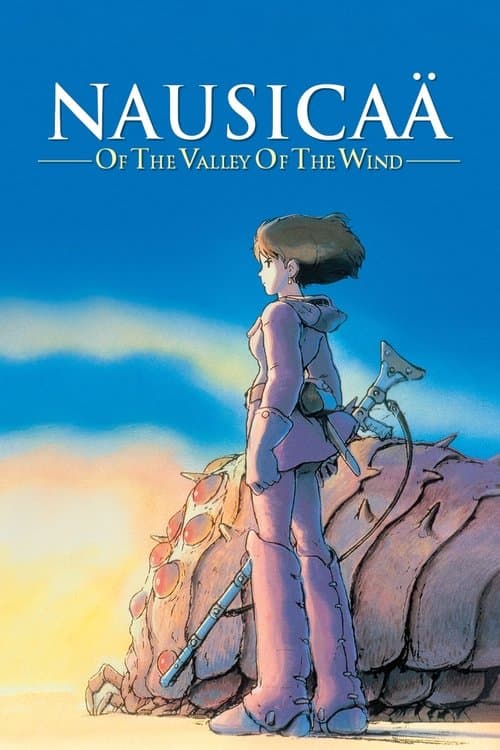
Howl's Moving Castle is a 2004 animation, fantasy and adventure film directed by Hayao Miyazaki. This breakdown covers 4 techniques (1 cinematography, 2 narrative and 1 editing), each with the scene where you can see it. If you like how it is made, Nausicaä of the Valley of the Wind uses several of the same techniques.

Cinematography

Hand-Drawn Texture

Keeping the handmade look of traditional animation, including slightly uneven pencil lines and visible brushwork in the backgrounds. The small imperfections make the image feel warm and human.

How this film uses it

The backgrounds were painted by hand and the characters were drawn by hand before being scanned into a computer. The walking castle looks like a pile of scrap metal and old boards, and the drawn lines make it feel lived in. The handmade look makes a strange machine feel like a home.

Where to see it

The castle arrives: Sophie follows the scarecrow Turnip Head across the hills to Howl's moving castle and climbs in uninvited.

Narrative

Secondary World Construction

Building a fictional world with its own consistent rules, history, culture and visual detail. It feels like the world keeps going beyond what you see on screen.

How this film uses it

The kingdom has its own war, its own court sorceress and its own bomber fleets. Howl's castle links several places together, and at one point he connects its door to Sophie's old home. You accept the magic because every detail follows the same rules.

Where to see it

The bombing of the town: Howl links the castle to Sophie's home, and bombers then hit the town.

Editing

Animation as Emotional Amplifier

Using animation, for a whole film or for short sequences inside live action, to make emotions hit harder. Drawn images can show inner feelings that realistic footage can't reach.

How this film uses it

Sophie's curse makes her look old, but her apparent age shifts with how she feels. A drawn face can change this much in a way a live actor in makeup could not. You read her mood from how old she looks.

Where to see it

The ending: Sophie gives Howl back his heart, and her curse breaks. Her hair stays silver.

Narrative

Female Agency as Structural Default

Putting women at the center as leads, leaders and villains, and letting their choices drive every major plot turn. The story treats this as normal and never makes their gender the subject.

How this film uses it

Sophie drives the story. She leaves home, takes over the castle, bargains with Calcifer and finally pulls him out of the fireplace. The Witch of the Waste and the king's sorceress Suliman also hold real power, so the plot never depends on a man rescuing anyone.

Where to see it

The Witch of the Waste grabs Calcifer, who holds Howl's heart, and Sophie douses her with water.

Questions

Howl's Moving Castle: quick answers

What filmmaking techniques does Howl's Moving Castle use?
CineCode breaks down 4 techniques in Howl's Moving Castle (2004): Hand-Drawn Texture, Secondary World Construction, Animation as Emotional Amplifier and Female Agency as Structural Default.
Who directed Howl's Moving Castle?
Hayao Miyazaki directed Howl's Moving Castle, released in 2004. CineCode also covers The Castle of Cagliostro (1979), Nausicaä of the Valley of the Wind (1984), Castle in the Sky (1986), My Neighbor Totoro (1988), Kiki's Delivery Service (1989), Porco Rosso (1992).
What films are similar to Howl's Moving Castle?
Films that share techniques with Howl's Moving Castle include Nausicaä of the Valley of the Wind (1984), The Boy and the Heron (2023), A Life Less Ordinary (1997), Ponyo (2008).