Fantasy · Adventure · Family

Harry Potter and the Prisoner of Azkaban

Alfonso Cuarón, 2004

In his third year at Hogwarts, Harry learns that the escaped prisoner Sirius Black may be coming for him, and the school is guarded by soul-draining Dementors. Cuarón took over the series and made it darker, moodier and more grown-up. Many fans call it the best of the 8 films. Watch how he turns time into the film's real subject.

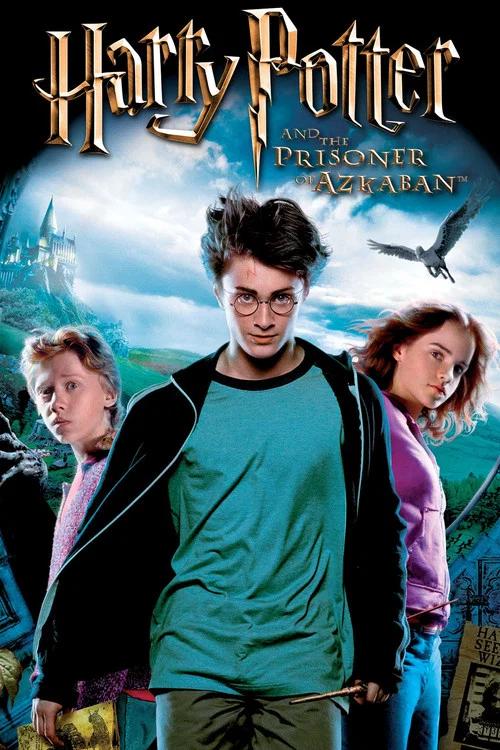
Harry Potter and the Prisoner of Azkaban (2004) poster

At a glance

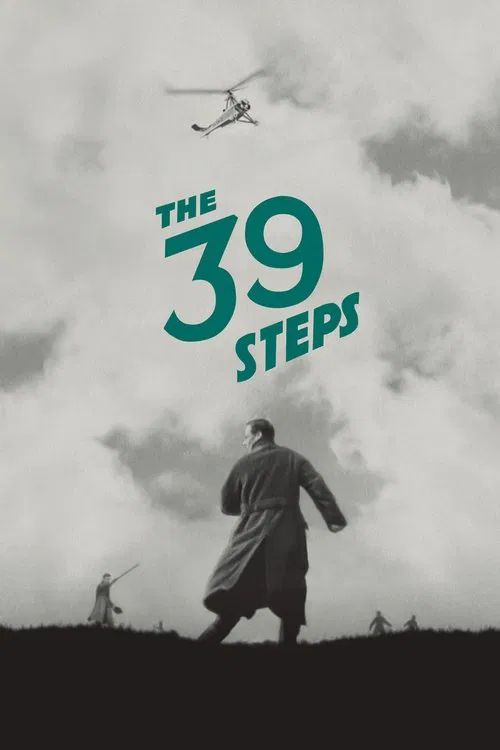
Harry Potter and the Prisoner of Azkaban is a 2004 fantasy, adventure and family film directed by Alfonso Cuarón. This breakdown covers 5 techniques (3 narrative, 1 editing and 1 cinematography), each with the scene where you can see it. If you like how it is made, The 39 Steps uses several of the same techniques.

Narrative

Tonal Succession

Switching to a clearly different look and mood from one part to the next, either between chapters of 1 film or between a film and its sequel.

How this film uses it

The first 2 films were bright and mostly shot in the studio. Cuarón moved much of the shoot to real locations in Scotland and London, put the kids in everyday clothes and let the camera roam. The world suddenly feels colder and more real.

Where to see it

The opening. Harry hides under his blankets at the Dursleys' house, secretly practicing a light spell with his wand at night.
Editing

Creative Scene Transition

Moving between scenes with an inventive device, such as a blackout, seasonal change, sound bridge or imaginative link. The transition itself carries meaning or mood.

How this film uses it

Cuarón keeps cutting back to the Whomping Willow, the violent tree on the school grounds. It sheds its leaves in autumn and stands in the snow in winter. The tree works as the film's calendar.

Where to see it

The Whomping Willow interludes. The tree shakes its branches and drops its leaves as the school year moves into winter.

Narrative

Chekhov's Gun

Showing an object or detail early on that becomes important later. The idea is that nothing gets screen time unless the story is going to use it.

How this film uses it

All year, Hermione seems to be taking more classes than anyone could fit in a day. The film lets it pass as a running joke. Then the Time-Turner comes out, and you realize the answer was hanging around her neck.

Where to see it

The hospital wing. After Dumbledore's hint, Hermione pulls out the Time-Turner, a tiny hourglass on a chain, and takes Harry back in time.

Narrative

Retroactive Reframing Revelation

Saving a reveal for the climax that changes the meaning of every scene before it. You have to rebuild the whole film in your head with the new knowledge.

How this film uses it

When Harry and Hermione go back in time, you watch scenes you've already seen from a new angle. The biggest one is the Patronus at the lake. Harry thought his father cast it, and it turns out to have been Harry himself.

Where to see it

The lake. The Dementors close in on Harry and Sirius, and the future Harry steps out across the water and casts the Patronus that drives them off.

Cinematography

Steadicam

Mounting the camera on a stabilizing rig worn by the operator so it can glide smoothly through a space. It moves as freely as handheld but without the shake.

How this film uses it

Cuarón's camera floats through Hogwarts in long, moving shots, and the time travel effect was shot the same way. The actors were filmed on a Steadicam against a blue screen, and sped-up background footage was added behind them. You stay still while the world rushes past.

Where to see it

The first turn of the Time-Turner. Harry and Hermione stand still in the hospital wing while the day races backward around them.

Questions

Harry Potter and the Prisoner of Azkaban: quick answers

What filmmaking techniques does Harry Potter and the Prisoner of Azkaban use?
CineCode breaks down 5 techniques in Harry Potter and the Prisoner of Azkaban (2004): Tonal Succession, Creative Scene Transition, Chekhov's Gun, Retroactive Reframing Revelation and Steadicam.
Who directed Harry Potter and the Prisoner of Azkaban?
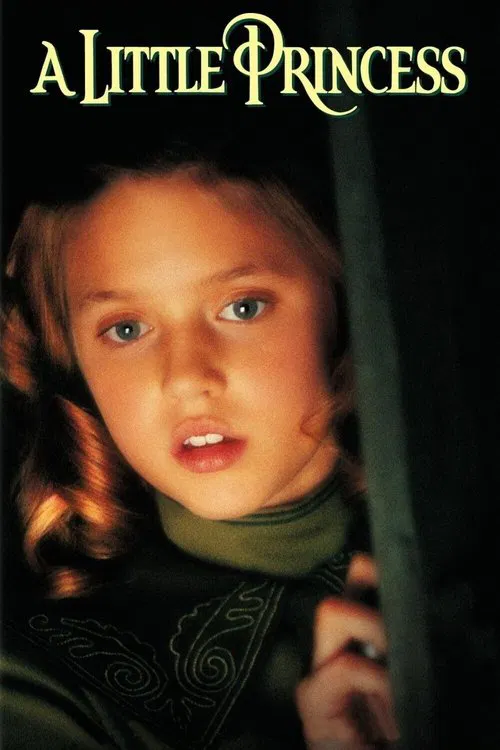
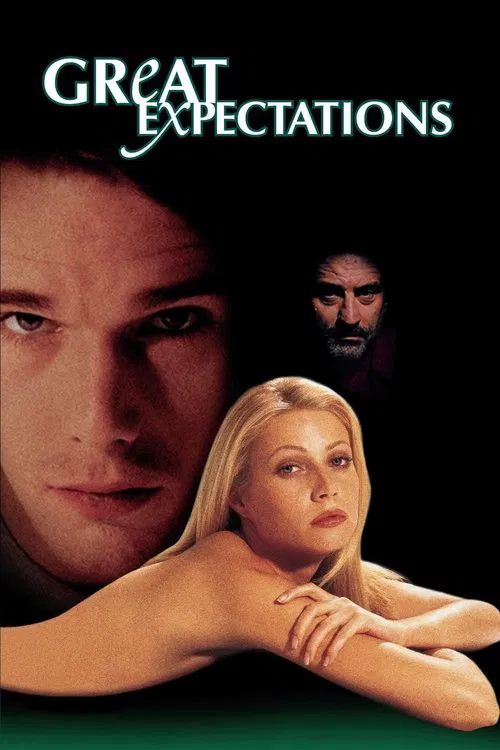
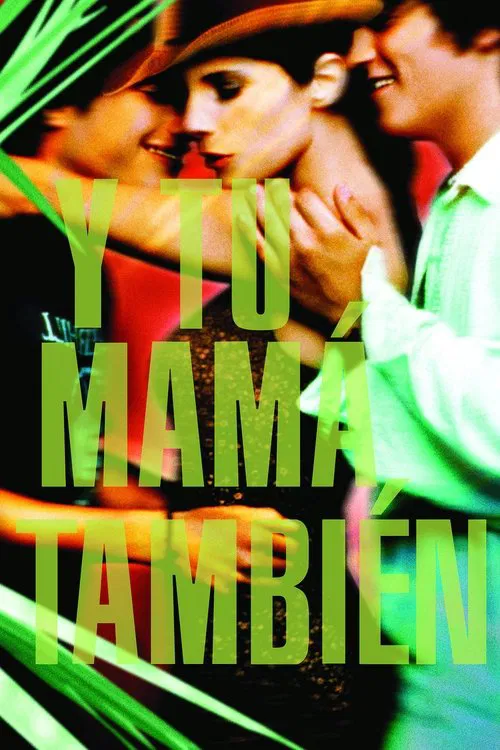
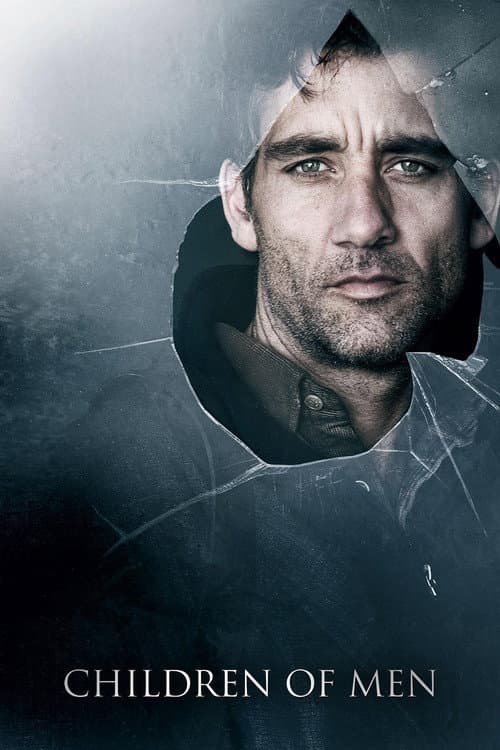
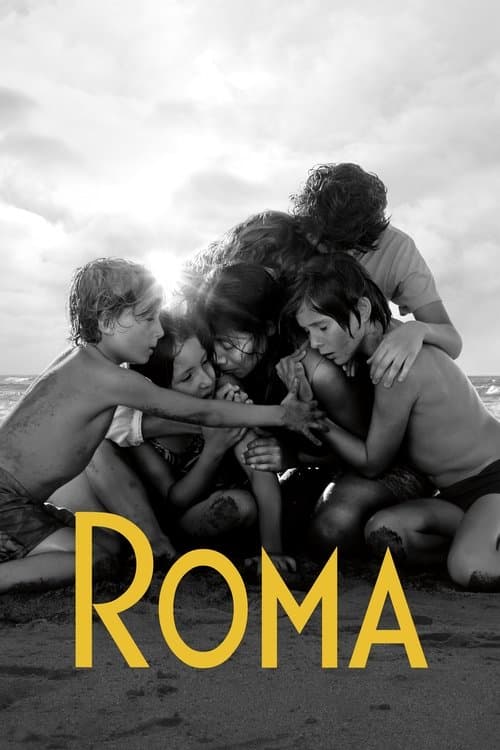
Alfonso Cuarón directed Harry Potter and the Prisoner of Azkaban, released in 2004. CineCode also covers A Little Princess (1995), Great Expectations (1998), Y Tu Mamá También (2001), Children of Men (2006), Gravity (2013), Roma (2018).
What films are similar to Harry Potter and the Prisoner of Azkaban?
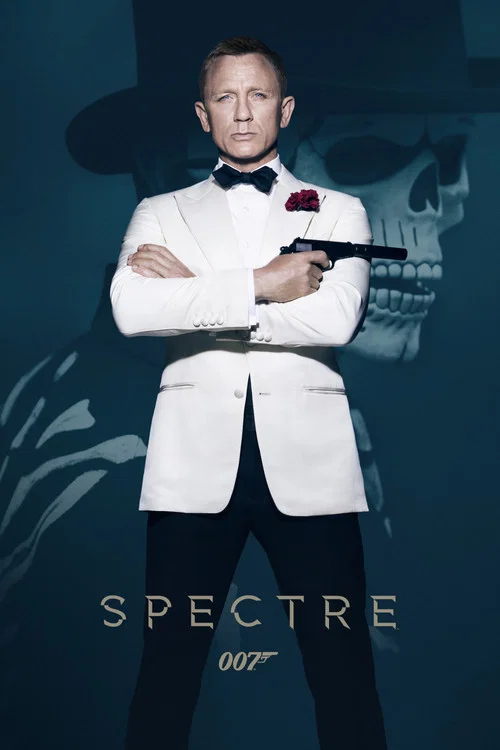
Films that share techniques with Harry Potter and the Prisoner of Azkaban include The 39 Steps (1935), Spectre (2015), Parasite (2019), Get Out (2017).