Thriller · Mystery · Adventure

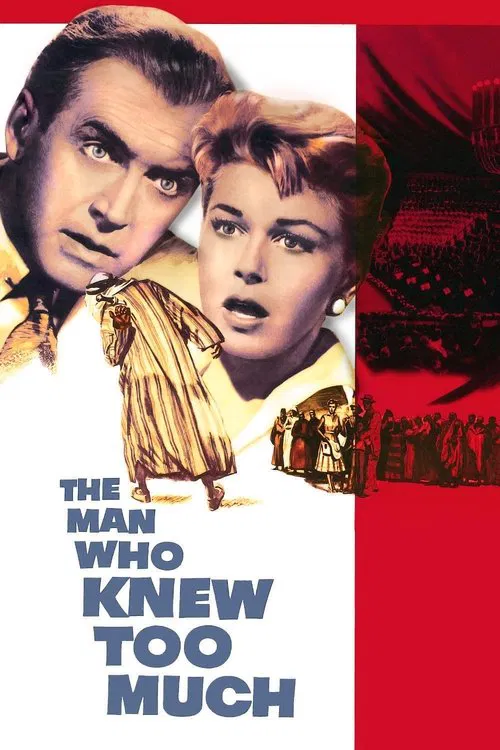
The Man Who Knew Too Much

Alfred Hitchcock, 1956

On vacation in Morocco, an American doctor and his singer wife hear of an assassination plot just before their son is kidnapped to keep them quiet. The hunt for him ends at a London concert and a foreign embassy.

The Man Who Knew Too Much (1956) poster

At a glance

The Man Who Knew Too Much is a 1956 thriller, mystery and adventure film directed by Alfred Hitchcock. This breakdown covers 4 techniques (2 narrative, 1 cinematography and 1 sound), each with the scene where you can see it. If you like how it is made, Uncut Gems uses several of the same techniques.

Narrative

Ordinary Person in Extraordinary Plot

Dropping a normal citizen with no special training into a conspiracy or crime. You identify with them because they are as unprepared as you would be.

How this film uses it

Ben is a doctor on vacation. A dying stranger whispers a secret to him, and he has no training for what comes next. You feel how out of his depth he is.

Where to see it

The Marrakesh square. A man is stabbed in the back in the crowd and whispers to Ben that a statesman will be assassinated in London.
Narrative

Ticking Clock Structure

Building the story around a clear deadline the hero must beat. The time pressure and the obstacles grow with each scene until the climax.

How this film uses it

In the final stretch, the family races to stop the shot before the concert's cymbal crash. Ben escapes the chapel through its bell tower to reach the hall. The seconds before the cymbals sound are the deadline.

Where to see it

The race to the hall. Ben escapes the chapel and rushes to the Royal Albert Hall as the assassin waits for the cymbal crash.

Cinematography

Landmark Climax Location

Staging the climax at a famous real place, so the danger plays out against something you already recognize. The location gives the scene scale and stakes.

How this film uses it

The assassination attempt takes place at the Royal Albert Hall, a famous London concert venue. The orchestra, the audience and the balcony boxes make an unusual stage for a murder plot.

Where to see it

The Albert Hall concert. The assassin waits in a balcony box for the cymbal crash to mask his gunshot, and Jo screams before it comes.

Sound

Diegetic Sound Design

Using sounds the characters themselves can hear, like footsteps, radios or traffic, to build tension or show how someone feels. The sound does more than make the scene realistic.

How this film uses it

Jo's singing is the weapon in the last scene. She performs 'Que Sera, Sera' loudly at the embassy so her son will hear her. The sound is part of the world, and the characters use it as a signal.

Where to see it

The embassy song. Jo sings for the prime minister, and Hank, held upstairs, hears her and whistles along.

Questions

The Man Who Knew Too Much: quick answers

What filmmaking techniques does The Man Who Knew Too Much use?
CineCode breaks down 4 techniques in The Man Who Knew Too Much (1956): Ordinary Person in Extraordinary Plot, Ticking Clock Structure, Landmark Climax Location and Diegetic Sound Design.
Who directed The Man Who Knew Too Much?
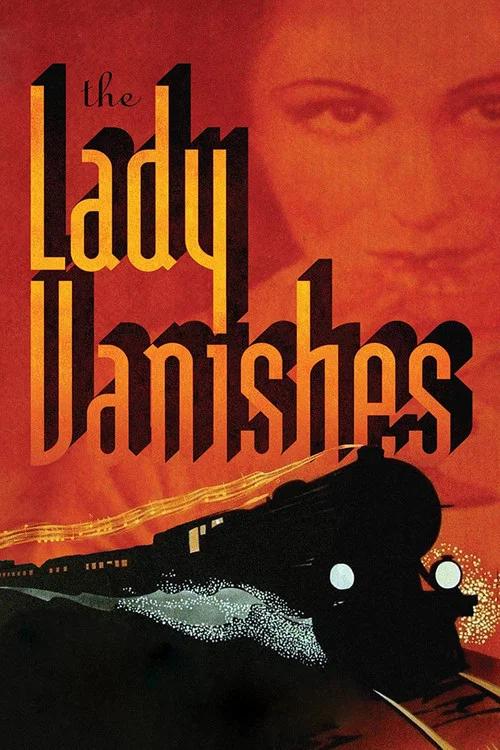
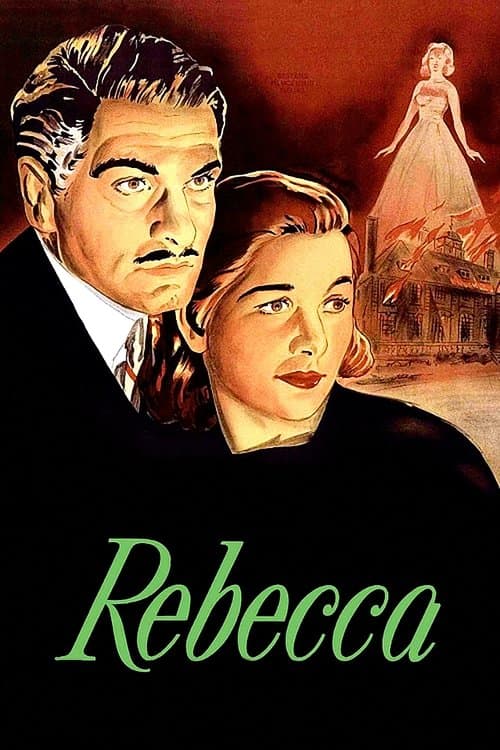
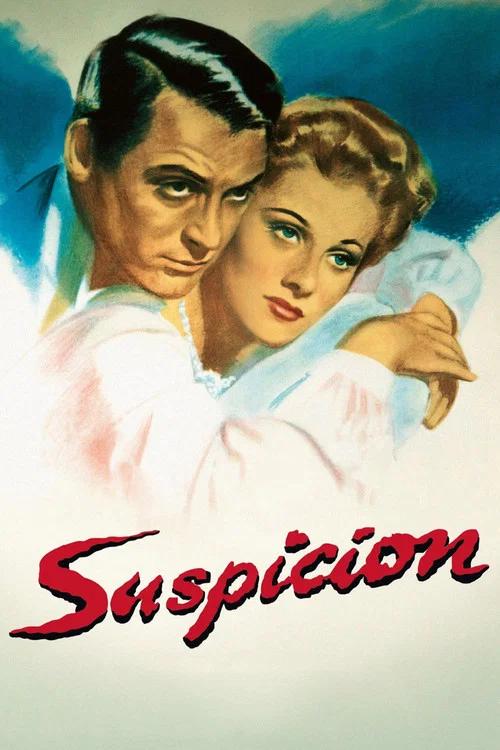
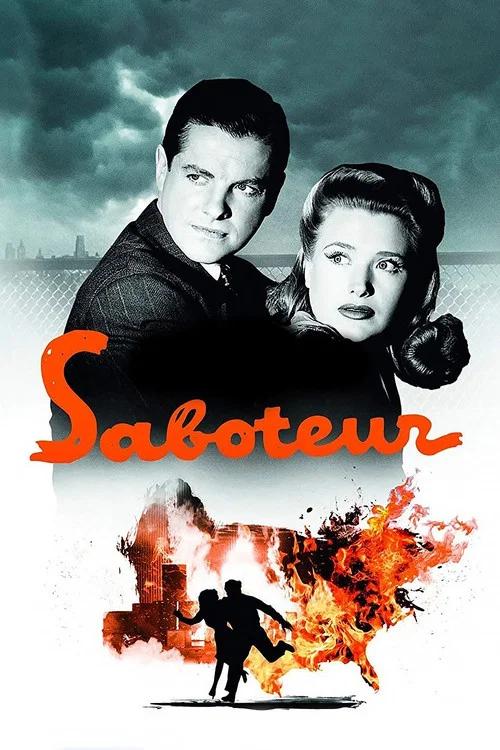
Alfred Hitchcock directed The Man Who Knew Too Much, released in 1956. CineCode also covers The 39 Steps (1935), The Lady Vanishes (1938), Rebecca (1940), Suspicion (1941), Saboteur (1942), Shadow of a Doubt (1943).
What films are similar to The Man Who Knew Too Much?
Films that share techniques with The Man Who Knew Too Much include Uncut Gems (2019), A Quiet Place (2018), Frantic (1988), The Post (2017).