Crime · Thriller · Mystery

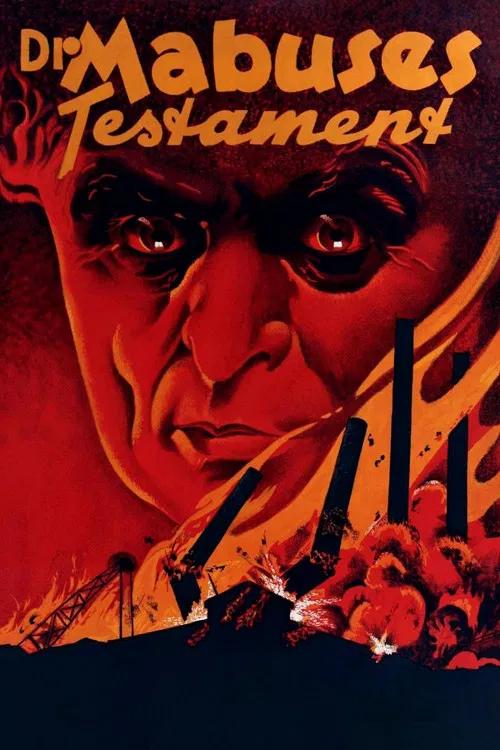
The Testament of Dr. Mabuse

Fritz Lang, 1933

A detective turned wreck warns the police about a huge crime plot, then loses his mind. A criminal genius locked in an asylum keeps writing plans that a gang carries out. Worth watching for how Lang uses early sound to build dread.

The Testament of Dr. Mabuse (1933) poster

At a glance

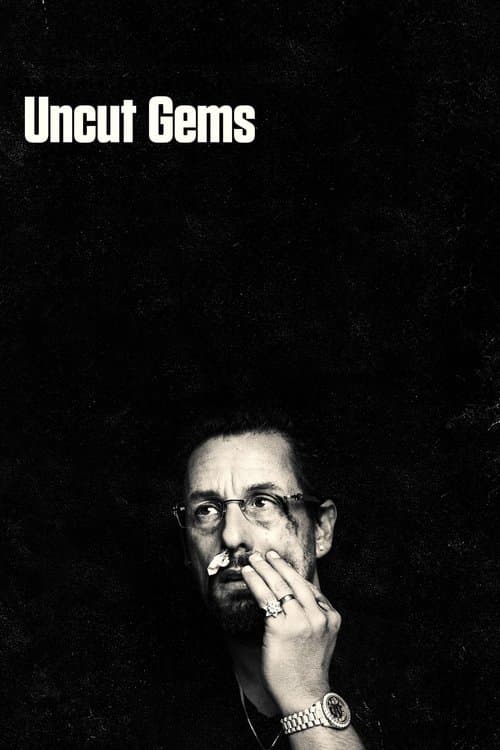
The Testament of Dr. Mabuse is a 1933 crime, thriller and mystery film directed by Fritz Lang. This breakdown covers 4 techniques (2 sound, 1 narrative and 1 psychology), each with the scene where you can see it. If you like how it is made, Uncut Gems uses several of the same techniques.

Sound

Diegetic Sound Design

Using sounds the characters themselves can hear, like footsteps, radios or traffic, to build tension or show how someone feels. The sound does more than make the scene realistic.

How this film uses it

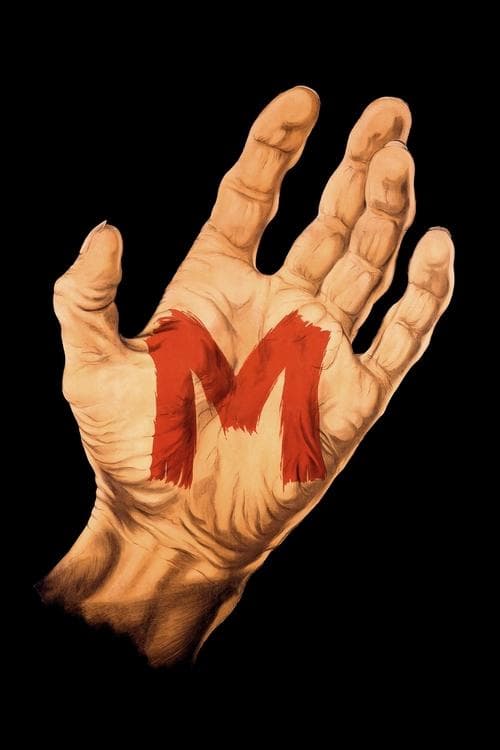
Lang mixes silence, music and real noise, much as he did in M. The roar of machines can drown out a warning, and sudden quiet can make you jump.

Where to see it

The print shop: Hofmeister flees into a noisy print shop and phones Inspector Lohmann before shots ring out.
Sound

Sound as Plot Device

Making a sound, voice or call drive the story itself. A phone line, a mimicked noise or a spliced recording changes what characters do or believe.

How this film uses it

Mabuse's plans reach his gang through a hidden channel. A voice, a loudspeaker or a note changes what people do.

Where to see it

The curtain room: Kent and Lilli are locked in a room where a curtain hides a loudspeaker and a time bomb.

Narrative

Ticking Clock Structure

Building the story around a clear deadline the hero must beat. The time pressure and the obstacles grow with each scene until the climax.

How this film uses it

A time bomb sits in the locked room with Kent and Lilli. The wait and the flooding water make the escape tense.

Where to see it

The flood: they flood the room to soften the blast and break free when the bomb goes off.

Psychology

Psychological Doubling

Pairing the main character with a second character who mirrors them. The double shows what the hero wants, fears or secretly is.

How this film uses it

Professor Baum becomes obsessed with the dead criminal Mabuse. The doctor ends up taking on the madman's role, so the two become one mind.

Where to see it

The asylum finale: a car chase through dark woods ends at the asylum, where Baum is driven insane.

Questions

The Testament of Dr. Mabuse: quick answers

What filmmaking techniques does The Testament of Dr. Mabuse use?
CineCode breaks down 4 techniques in The Testament of Dr. Mabuse (1933): Diegetic Sound Design, Sound as Plot Device, Ticking Clock Structure and Psychological Doubling.
Who directed The Testament of Dr. Mabuse?
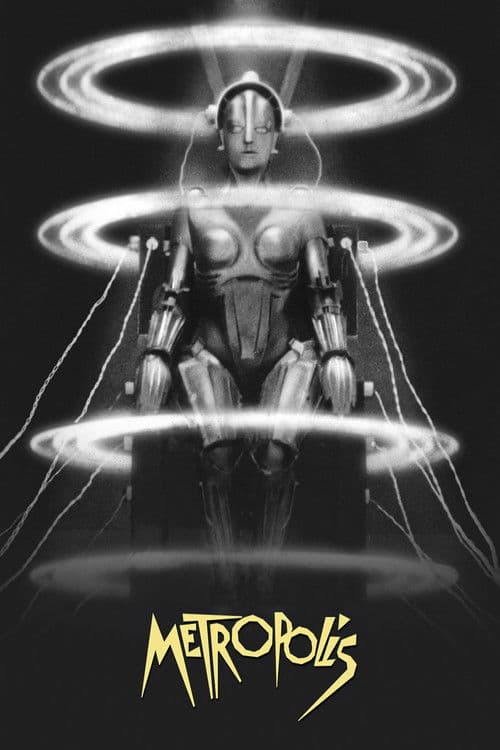
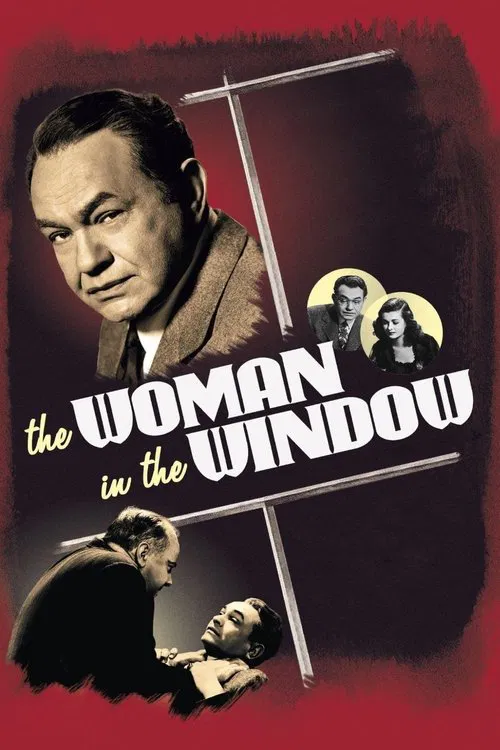
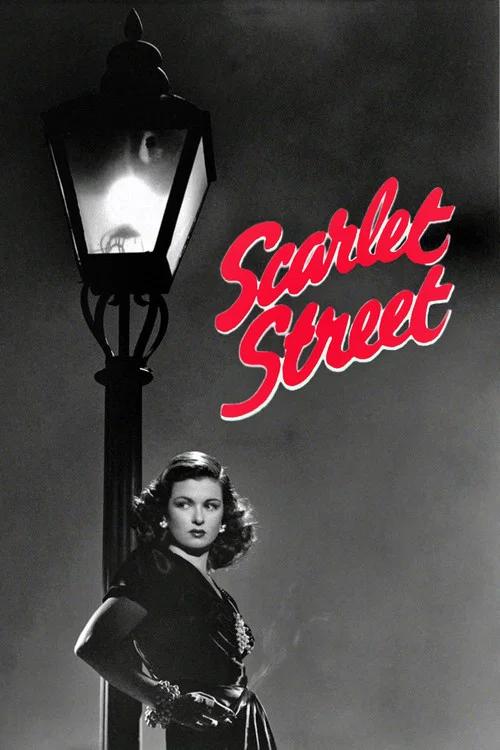
Fritz Lang directed The Testament of Dr. Mabuse, released in 1933. CineCode also covers Metropolis (1927), M (1931), The Woman in the Window (1944), Scarlet Street (1945), The Big Heat (1953).
What films are similar to The Testament of Dr. Mabuse?
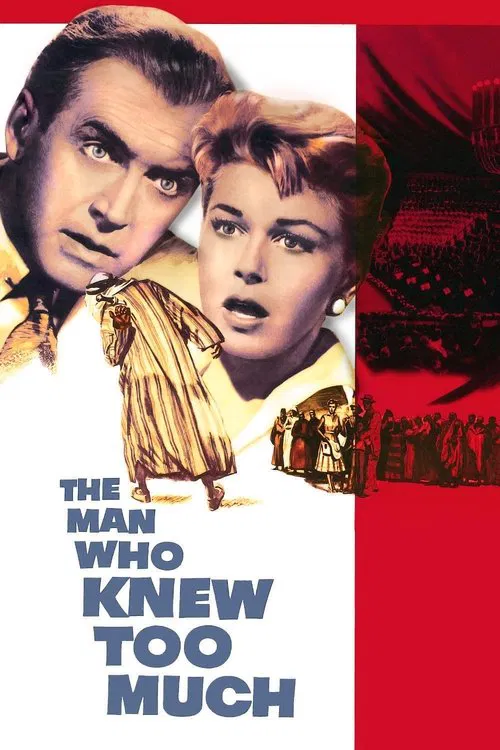
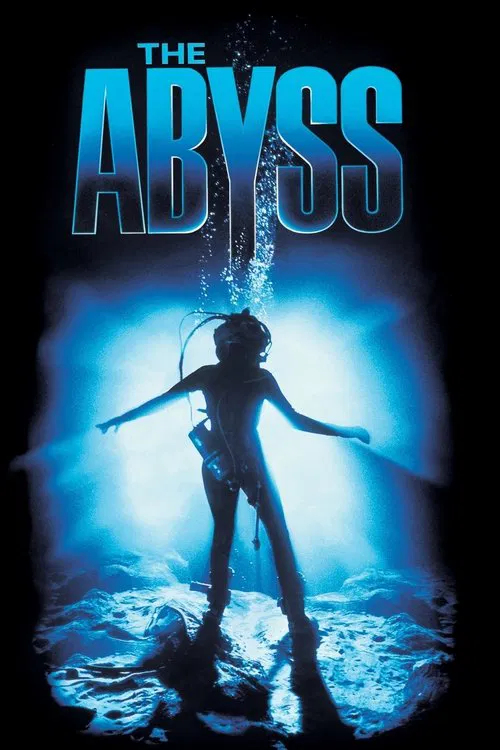
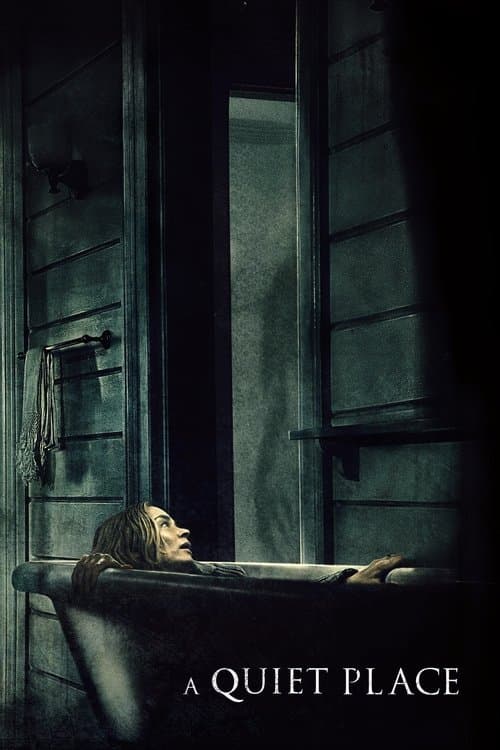
Films that share techniques with The Testament of Dr. Mabuse include Uncut Gems (2019), A Quiet Place (2018), The Man Who Knew Too Much (1956), The Abyss (1989).