Drama · War

Empire of the Sun

Steven Spielberg, 1987

In 1941 a privileged British boy named Jamie is separated from his parents when Japan takes over Shanghai. He is picked up by two American hustlers and ends up in an internment camp, where he learns to survive. Watch how the war is seen through a child's eyes.

Empire of the Sun (1987) poster

At a glance

Empire of the Sun is a 1987 drama and war film directed by Steven Spielberg. This breakdown covers 4 techniques (2 narrative, 1 cinematography and 1 psychology), each with the scene where you can see it. If you like how it is made, The Dark Knight uses several of the same techniques.

Narrative

Innocent Eye Narration

Having a narrator describe events in a plain, matter-of-fact way, sometimes without fully understanding them. You notice more than the narrator says, which creates irony and sympathy.

How this film uses it

The war is filtered through a young boy. He watches planes with a kind of awe and forms a bond with a Japanese trainee pilot. You see the danger and cruelty he doesn't fully register, which makes the scenes sadder.

Where to see it

The camp scenes. Jim watches aircraft and the Japanese trainee pilot with admiration, even though he is a prisoner.

Narrative

Single POV Restriction

Limiting the film to what one character can see and know. The camera never goes where they couldn't be, so you share their blind spots and their vulnerability.

How this film uses it

The film stays with Jim from Shanghai to the camp to the march. You learn only what he can see and understand. His blind spots become yours, and that keeps you worried for him.

Where to see it

The stadium at Nantao. Jim spends the night there with Mrs. Victor and sees the flash of the Nagasaki bombing from afar without knowing what it is.

Cinematography

Practical Destruction

Staging large-scale destruction for real with actual structures, explosions and extras, and using no digital simulation. The chaos on screen has real weight and scale.

How this film uses it

The production was the first American film shot in Shanghai since the 1940s and used over 5,000 local extras. Real crowds fill the street scenes, so the chaos of the invasion feels huge and believable.

Where to see it

The Shanghai street scenes. Thousands of extras surge through the city as the Japanese take over.

Psychology

Bittersweet Ending

Closing on an outcome that hurts even where it succeeds. A reunion lacks warmth or a win leaves the character empty.

How this film uses it

When the war ends, Jim is placed in a Red Cross shelter and reunited with his parents. He doesn't fully recognize them. The reunion should be a happy ending, but the war has changed him too much.

Where to see it

The reunion at the Red Cross shelter. Jim stares at his parents and doesn't fully recognize them.

Questions

Empire of the Sun: quick answers

What filmmaking techniques does Empire of the Sun use?
CineCode breaks down 4 techniques in Empire of the Sun (1987): Innocent Eye Narration, Single POV Restriction, Practical Destruction and Bittersweet Ending.
Who directed Empire of the Sun?
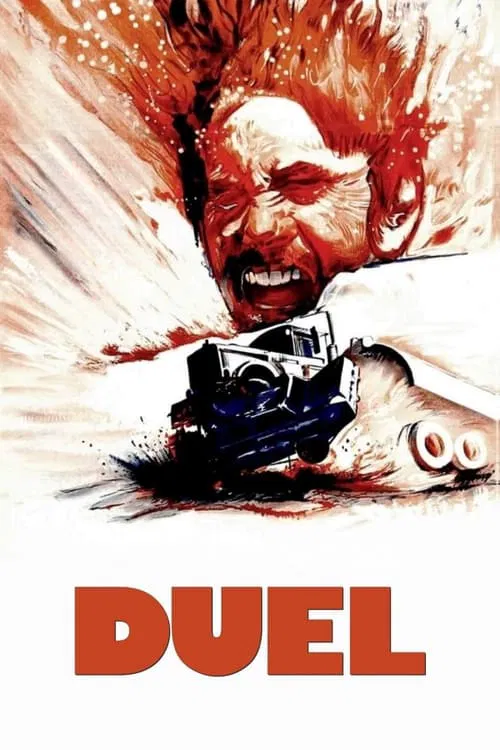
Steven Spielberg directed Empire of the Sun, released in 1987. CineCode also covers Duel (1971), Jaws (1975), Close Encounters of the Third Kind (1977), 1941 (1979), Raiders of the Lost Ark (1981), E.T. the Extra-Terrestrial (1982).
What films are similar to Empire of the Sun?
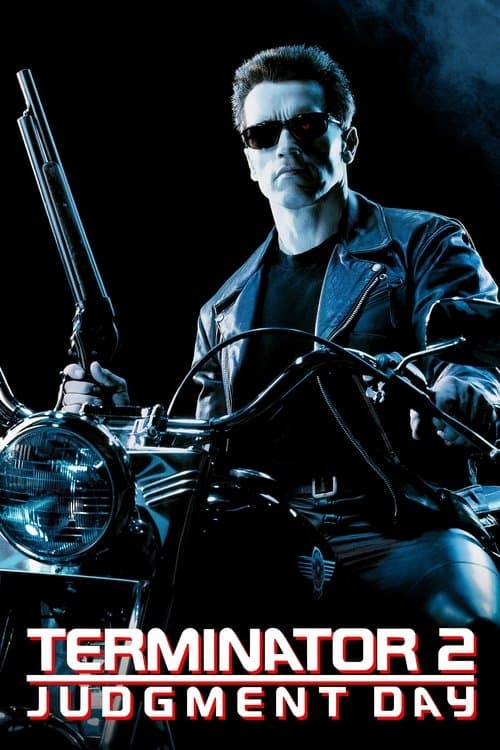
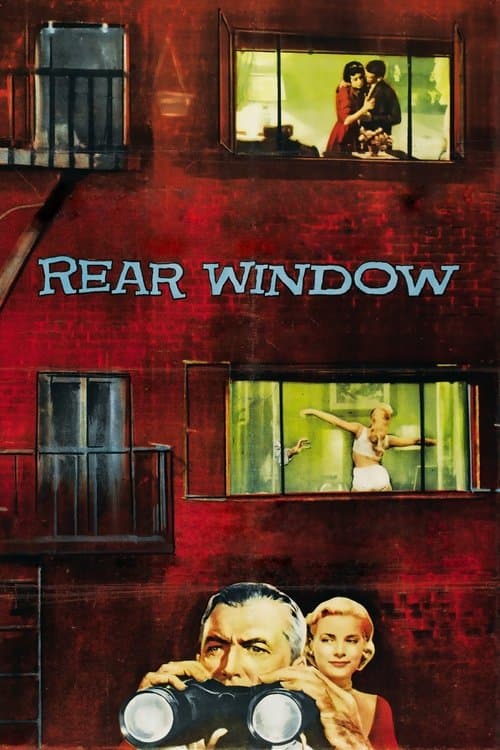
Films that share techniques with Empire of the Sun include The Dark Knight (2008), Forrest Gump (1994), Terminator 2: Judgment Day (1991), Rear Window (1954).