Drama · War

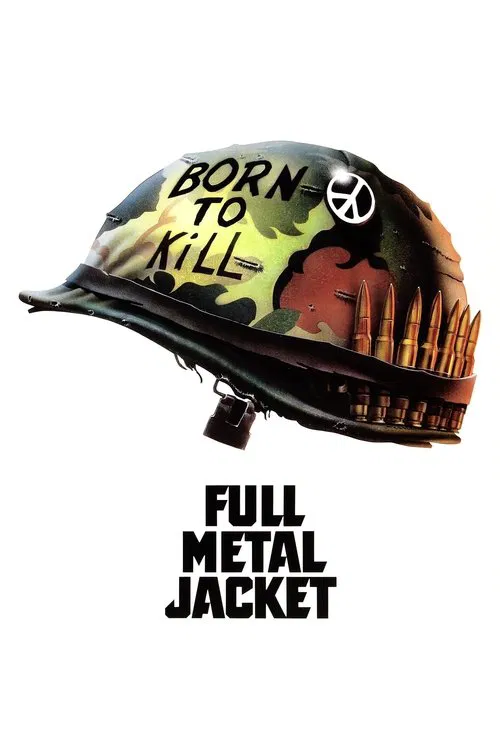
Full Metal Jacket

Stanley Kubrick, 1987

The film is split between a brutal Marine boot camp and the Tet Offensive in Hue City. It follows a writer-soldier who records the war's absurdity with cold detachment. It's about how beliefs get drilled into bodies through ritual, humiliation and group violence.

Full Metal Jacket (1987) poster

At a glance

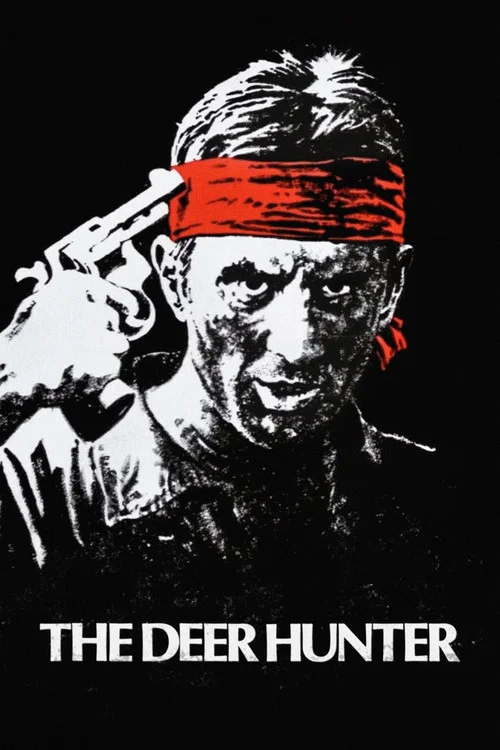
Full Metal Jacket is a 1987 drama and war film directed by Stanley Kubrick. This breakdown covers 4 techniques (1 narrative, 2 sound and 1 cinematography), each with the scene where you can see it. If you like how it is made, The Deer Hunter uses several of the same techniques.

Narrative

Two-Film Diptych Structure

Splitting a story into 2 halves, or 2 films, that each have their own tone, look and main character. The meaning comes from the contrast between them.

How this film uses it

A hard cut and a sharp change in tone separate the boot camp from Vietnam. Parris Island is closed in and geometric, and Ermey's voice dominates it. Hue City is open, full of rubble and chaotic. The 2 halves make one argument: the first half creates the soldier and the second half uses him. The manufactured soldier meets the manufactured war.

Where to see it

The hard cut from Parris Island to Vietnam. You go straight from the institution that makes soldiers to the place it makes them for.

Sound

Found Dialogue Performance

Using improvised or loosely scripted dialogue with false starts and interruptions. It has the rhythm of real speech, so it sounds like something actually said.

How this film uses it

R. Lee Ermey was a real Marine drill instructor. His improvised speeches were so good that Kubrick kept them. The drill scenes have a verbal energy that scripted dialogue can't fake. The cruelty is too specific, too inventive and too exact in its rhythm for a writer to have made it up.

Where to see it

Ermey's opening inspection. The insults are so specific that they sound like things someone really said.

Sound

Ironic Pop Music Score

Playing a cheerful or familiar pop song over violence or moral disaster. The gap between the song and the image creates dark comedy and political commentary.

How this film uses it

'Surfin' Bird' plays as Marines patrol the rubble of Hue City. 'These Boots Are Made for Walkin'' plays as a prostitute walks down a Da Nang street. The songs make no comment on the war. They show you the culture the war was fought in, which is American culture dealing with its own violence through cheerful noise.

Where to see it

The closing march to the 'Mickey Mouse Club' theme. The soldiers sing as they walk through burning Hue City.

Cinematography

The Kubrick Zoom

Zooming slowly and steadily into a face or object and holding the move for a long time. The subject feels closer and more threatening at once, which is unsettling.

How this film uses it

Kubrick uses a slow zoom throughout the film to pick out faces for you to study. He does it with Pyle's expression as it gets worse, Joker's reaction to violence and the sniper's face at the end. The zoom doesn't rush. It closes in with a cold, deliberate patience that matches the way the whole film looks at people.

Where to see it

Pyle's breakdown in the head. The slow zoom moves into his face as the scene gets closer to violence.

Questions

Full Metal Jacket: quick answers

What filmmaking techniques does Full Metal Jacket use?
CineCode breaks down 4 techniques in Full Metal Jacket (1987): Two-Film Diptych Structure, Found Dialogue Performance, Ironic Pop Music Score and The Kubrick Zoom.
Who directed Full Metal Jacket?
Stanley Kubrick directed Full Metal Jacket, released in 1987. CineCode also covers Fear and Desire (1953), Killer's Kiss (1955), The Killing (1956), Paths of Glory (1957), Spartacus (1960), Lolita (1962).
What films are similar to Full Metal Jacket?
Films that share techniques with Full Metal Jacket include The Deer Hunter (1978), Before Sunrise (1995), Kill Bill: Volume 1 (2003), May December (2023).