Drama · War

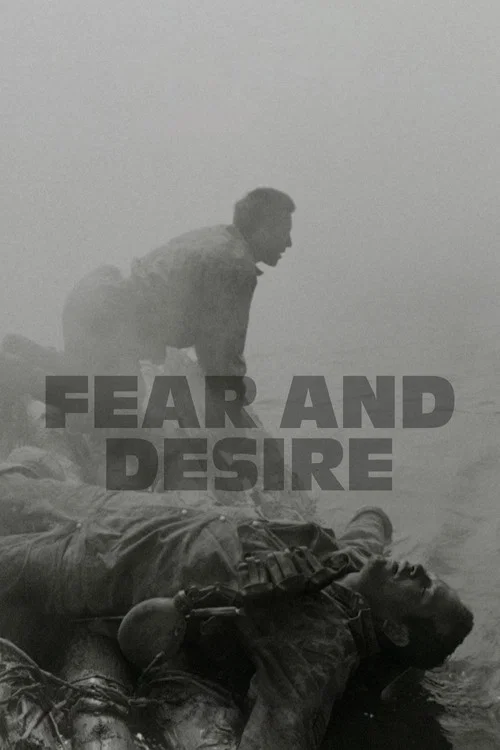
Fear and Desire

Stanley Kubrick, 1953

Four soldiers crash behind enemy lines in an unnamed war and try to float down a river to safety. Along the way they capture a young woman and plan to kill an enemy general. It was Kubrick's first feature, made on a tiny budget, and you can watch him improvise tricks that later became his signature.

Fear and Desire (1953) poster

At a glance

Fear and Desire is a 1953 drama and war film directed by Stanley Kubrick. This breakdown covers 5 techniques (1 narrative, 2 psychology, 1 cinematography and 1 sound), each with the scene where you can see it. If you like how it is made, Frankenstein uses several of the same techniques.

Narrative

Allegorical Microcosm

Confining a small group in a bounded setting that stands for a larger society or conflict, so their choices read as commentary on the wider world.

How this film uses it

The narrator tells you at the start that the story takes place outside history, in any war. There are no flags and no named countries. The soldiers become people facing fear and desire instead of players in one particular conflict.

Where to see it

The opening narration. A voice sets the forest outside of time before the plane crash shows four men stranded.

Psychology

Psychological Doubling

Pairing the main character with a second character who mirrors them. The double shows what the hero wants, fears or secretly is.

How this film uses it

The same actors play soldiers on one side and the enemy on the other. Kenneth Harp is Lt. Corby and also the enemy general, and Steve Coit is Pvt. Fletcher and the enemy captain. One reading is that the enemy is a mirror of the heroes.

Where to see it

The scouting of the enemy general. The soldiers spot him through binoculars, and the actor who plays him also plays Lt. Corby.

Cinematography

Practical In-Camera Effects

Creating effects physically on set with makeup, prosthetics, built props and camera tricks, with no computer graphics added later. The results look solid and real.

How this film uses it

Kubrick had almost no money, so he improvised. A crop sprayer made the fog, and a baby carriage worked as a camera dolly. The results look rough, and that roughness suits a film about men lost in woods.

Where to see it

The forest scenes. Fog drifts through the trees as the men move along the river, and it was made with a crop sprayer.

Psychology

Isolation-Induced Breakdown

Cutting a character off from others, whether by space, confinement or mission, and showing the mind coming apart. Without outside contact, their grip on reality slips.

How this film uses it

Sidney is left to guard the captured girl, and he slowly comes apart. You read his state from the acting and his behavior, and the guard duty ends in a killing.

Where to see it

The scene with the captive girl. Sidney unties her expecting an embrace, she tries to run, and he shoots her.

Sound

Post-Dubbed Sound

Recording the dialogue and sound effects after the picture is shot, instead of capturing them on location. The filmmaker controls every sound, but the voices can feel slightly detached from the bodies.

How this film uses it

Kubrick first planned a silent film, and the sound was added afterward. Voices and effects were laid on top of the picture. That gives the whole film a slightly dreamlike, detached feel.

Where to see it

The cabin raid. The soldiers burst in on the enemy soldiers eating there, and every sound in the scene was added after shooting.

Questions

Fear and Desire: quick answers

What filmmaking techniques does Fear and Desire use?
CineCode breaks down 5 techniques in Fear and Desire (1953): Allegorical Microcosm, Psychological Doubling, Practical In-Camera Effects, Isolation-Induced Breakdown and Post-Dubbed Sound.
Who directed Fear and Desire?
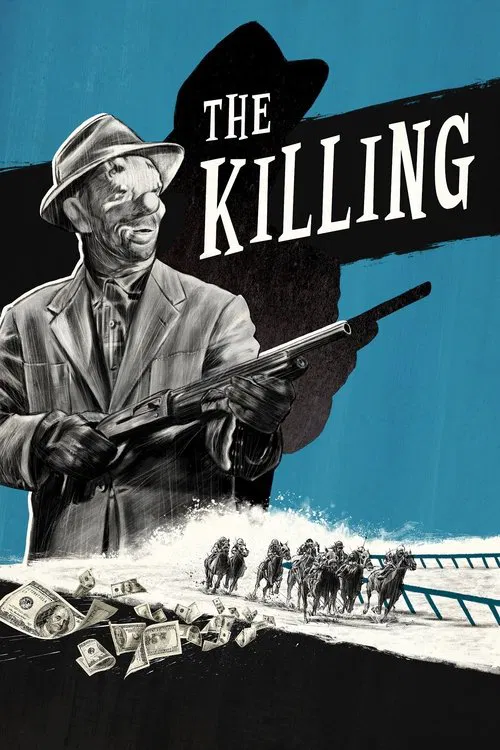
Stanley Kubrick directed Fear and Desire, released in 1953. CineCode also covers Killer's Kiss (1955), The Killing (1956), Paths of Glory (1957), Spartacus (1960), Lolita (1962), Dr. Strangelove (1964).
What films are similar to Fear and Desire?
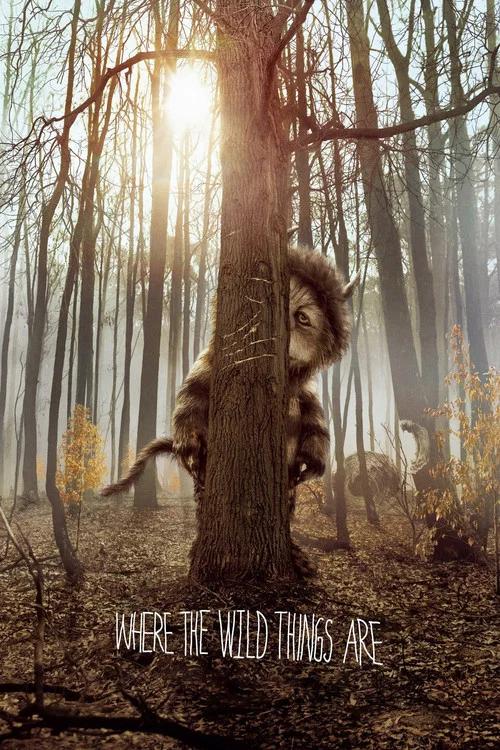
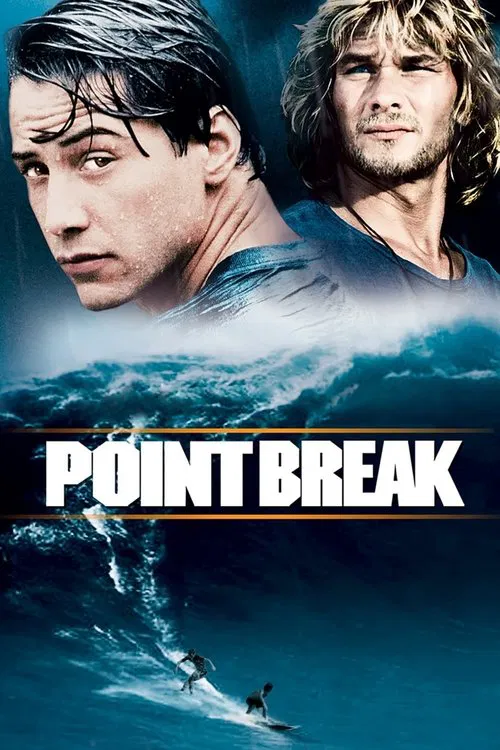
Films that share techniques with Fear and Desire include Frankenstein (2025), Lost Highway (1997), Where the Wild Things Are (2009), Point Break (1991).