Comedy · Crime

Raising Arizona

Joel Coen, Ethan Coen, 1987

A small-time robber and a former police officer cannot have a baby, so they steal one from a furniture tycoon's newborn quintuplets. Their escaped-convict friends, a bounty hunter and a pile of bad ideas follow. Watch how the Coens treat live actors like cartoon characters and still make you care.

Raising Arizona (1987) poster

At a glance

Raising Arizona is a 1987 comedy and crime film directed by Joel Coen, Ethan Coen. This breakdown covers 4 techniques (2 narrative, 1 cinematography and 1 psychology), each with the scene where you can see it. If you like how it is made, The Royal Tenenbaums uses several of the same techniques.

Narrative

Deadpan Absurdism

Showing extreme, violent or surreal events while the characters react as if nothing unusual is happening. That mismatch is funny and unsettling at the same time.

How this film uses it

Hi tells his wild story in a calm, flowery voice, and the people around him rarely look surprised. A robbery for diapers ends with police and a pack of dogs on his heels, yet the tone stays easygoing. The flat delivery makes each new disaster funnier.

Where to see it

The diaper robbery. Hi holds up a convenience store while buying diapers, then outruns the police and a pack of dogs through the neighborhood.

Narrative

Retrospective Voiceover

Having a narrator tell the story from some point after it happened. The events feel like memory, and you sense early on that something will be lost.

How this film uses it

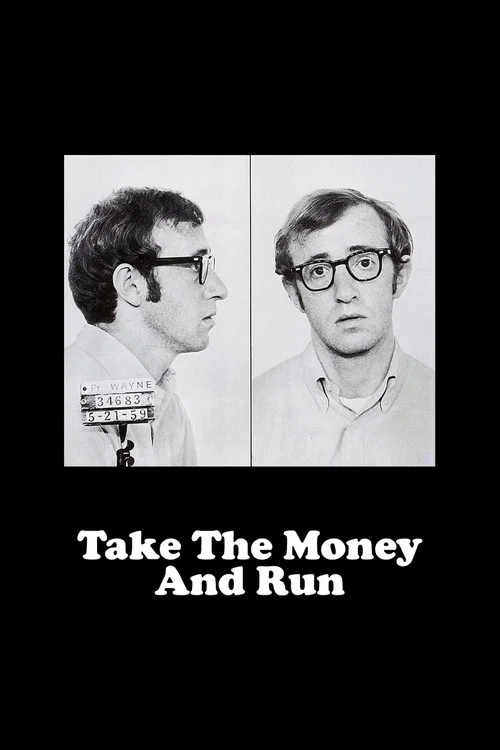
The film opens with about 11 minutes of Hi's narration before the title appears. He explains how he met Ed, who took his mugshot after each arrest, and how they came to steal a baby. Because he tells it afterward, you hear a man making sense of his own mess, and the narration returns near the end.

Where to see it

The opening sequence. Hi narrates his repeated arrests while Ed photographs him, and the two fall in love.

Cinematography

Silent Comedy Homage

Borrowing the physical comedy of silent films, such as pratfalls, precisely timed gags and expressive body language. It is a nod to where cinema came from.

How this film uses it

People get chased, punched and blown up, and they keep going. Viewers have compared the film to a live-action Looney Tunes short. The camera and the pacing treat danger as a gag, so you laugh even when a grenade goes off.

Where to see it

The fight with Leonard Smalls. Smalls beats Hi badly, then Hi pulls the pin on one of the grenades on the bounty hunter's vest, and they all explode.

Psychology

Dream Imagery as Inner Life

Staging dreams, fantasies and imagination as literal scenes. The inner mind becomes visible, whether as wish, fear or creative power.

How this film uses it

Hi first meets the monstrous biker Leonard Smalls in a nightmare after he agrees to shelter his old cellmates. Soon after, Smalls turns up for real, offering to bring the baby back. The Coens have said they built him as an evil figure Hi himself would imagine, so the villain feels like Hi's own bad conscience.

Where to see it

Hi's nightmare. The night after Gale and Evelle visit, Hi dreams of Smalls, and soon after Smalls approaches Nathan Arizona about the missing baby.

Questions

Raising Arizona: quick answers

What filmmaking techniques does Raising Arizona use?
CineCode breaks down 4 techniques in Raising Arizona (1987): Deadpan Absurdism, Retrospective Voiceover, Silent Comedy Homage and Dream Imagery as Inner Life.
Who directed Raising Arizona?
Joel Coen, Ethan Coen directed Raising Arizona, released in 1987. CineCode also covers Blood Simple (1985), Miller's Crossing (1990), Barton Fink (1991), The Hudsucker Proxy (1994), Fargo (1996), The Big Lebowski (1998).
What films are similar to Raising Arizona?
Films that share techniques with Raising Arizona include The Royal Tenenbaums (2001), Take the Money and Run (1969), Love and Death (1975), Bugonia (2025).