Action · Crime · Drama

Batman Begins

Christopher Nolan, 2005

After his parents are murdered, Bruce Wayne leaves Gotham and trains with a secret group called the League of Shadows. He comes home to fight crime as Batman and runs into a plot to poison the city with fear gas. Nolan treats the comic-book origin like a crime drama, with real cars and real stunts wherever he can.

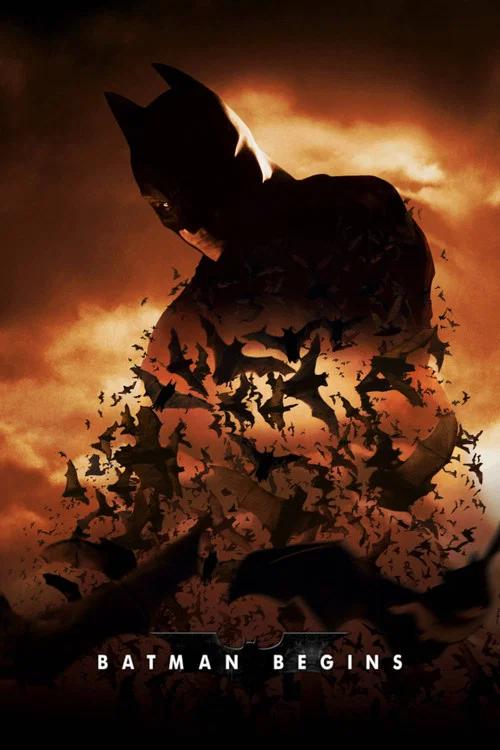
Batman Begins (2005) poster

At a glance

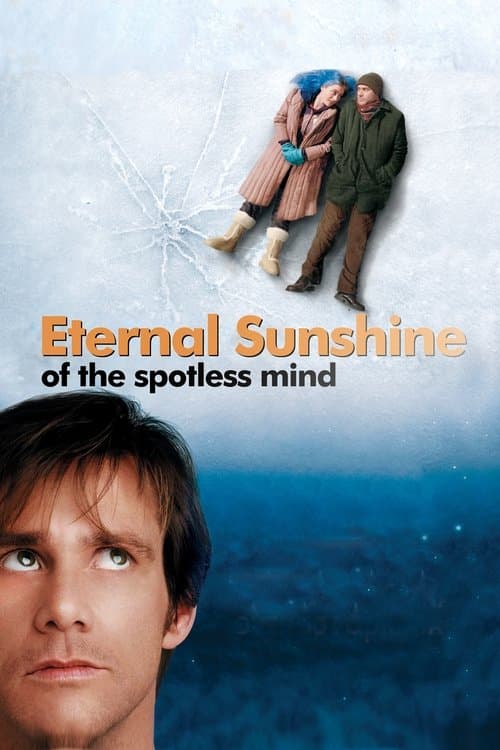
Batman Begins is a 2005 action, crime and drama film directed by Christopher Nolan. This breakdown covers 4 techniques (1 editing, 1 narrative and 2 cinematography), each with the scene where you can see it. If you like how it is made, Eternal Sunshine of the Spotless Mind uses several of the same techniques.

Editing

Fractured Memory Editing

Cutting between the present and scattered, out-of-order flashbacks, the way a painful memory comes back in pieces. You put the backstory together as the character remembers it.

How this film uses it

The first act jumps between Bruce training in the mountains and memories from his childhood. You get his fall into a well full of bats and his parents' murder in pieces. Each memory arrives right when Ducard pushes him on the fear and anger behind it.

Where to see it

Bruce's flashback to the courthouse. He brings a gun to kill Joe Chill, his parents' killer, but one of Falcone's people shoots Chill first.
Narrative

The Mentor-Monster Dynamic

Making the character who threatens the hero most also the one who helps them most. You can't separate the danger from the guidance.

How this film uses it

Ducard trains Bruce, teaches him to use fear and gives him the skills he'll need as Batman. He later turns out to be Ra's al Ghul, the man trying to destroy Gotham. Everything Batman knows came from his worst enemy.

Where to see it

Bruce's birthday party at Wayne Manor. Ducard walks in and reveals that he is the real Ra's al Ghul.

Cinematography

Practical In-Camera Effects

Creating effects physically on set with makeup, prosthetics, built props and camera tricks, with no computer graphics added later. The results look solid and real.

How this film uses it

Nolan relied on stunts and miniatures and kept computer effects to a minimum. The Tumbler, Batman's armored car, was built as several working vehicles with a V8 engine. In the chase, you watch a real car jump and smash through real streets.

Where to see it

The Tumbler chase. With a poisoned Rachel in the passenger seat, Batman races across rooftops and through traffic while the police chase him.

Cinematography

Subjective Camera

Placing the camera where a character's eyes are, or shooting the scene the way that character experiences it. You see and feel things from inside their head.

How this film uses it

When someone breathes in Scarecrow's fear gas, the film shows you what they see. The image shakes and warps, and faces turn monstrous. You get a quick dose of the terror the character is feeling.

Where to see it

Batman is gassed. Crane sprays him in the face, and the Scarecrow mask turns into a nightmare through Bruce's eyes as he staggers away.

Questions

Batman Begins: quick answers

What filmmaking techniques does Batman Begins use?
CineCode breaks down 4 techniques in Batman Begins (2005): Fractured Memory Editing, The Mentor-Monster Dynamic, Practical In-Camera Effects and Subjective Camera.
Who directed Batman Begins?
Christopher Nolan directed Batman Begins, released in 2005. CineCode also covers Following (1998), Memento (2000), Insomnia (2002), The Prestige (2006), The Dark Knight (2008), Inception (2010).
What films are similar to Batman Begins?
Films that share techniques with Batman Begins include Eternal Sunshine of the Spotless Mind (2004), The Revenant (2015), Billy Lynn's Long Halftime Walk (2016), Point Break (1991).