Western

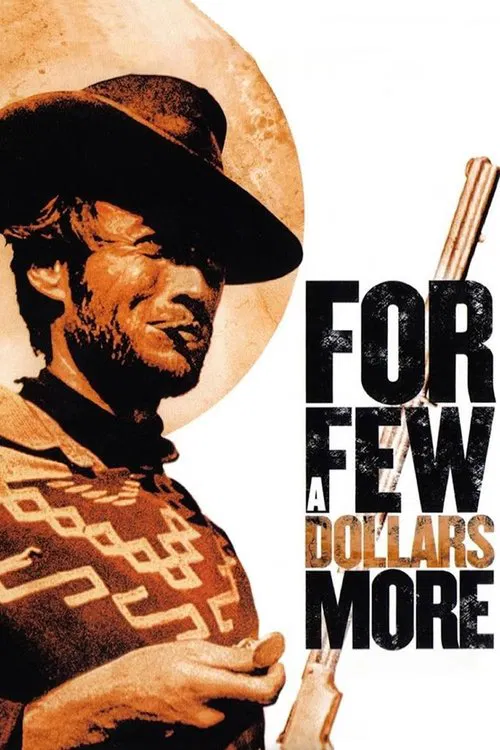
For a Few Dollars More

Sergio Leone, 1965

Two bounty hunters, the quick Manco and the older Colonel Mortimer, go after the killer El Indio before he robs the bank in El Paso. They start as rivals and agree to work together. Mortimer has a secret reason for being there, and a musical pocket watch carries it.

For a Few Dollars More (1965) poster

At a glance

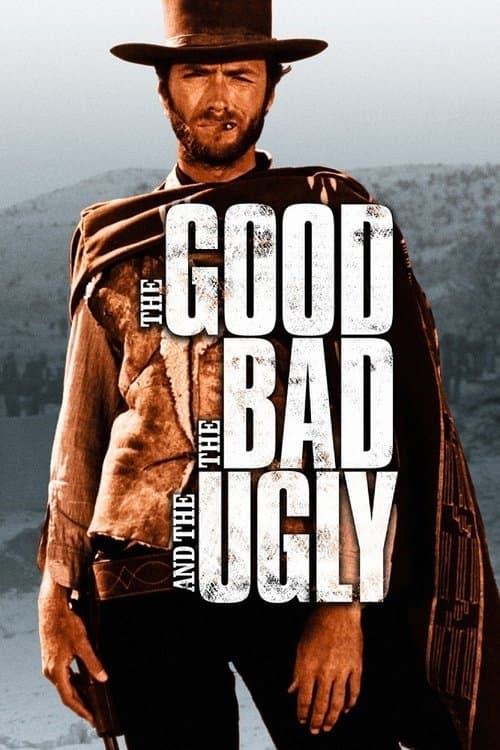
For a Few Dollars More is a 1965 western film directed by Sergio Leone. This breakdown covers 5 techniques (2 narrative, 2 sound and 1 cinematography), each with the scene where you can see it. If you like how it is made, The Good, the Bad and the Ugly uses several of the same techniques.

Narrative

Buddy Rivalry Structure

Pairing 2 lead characters who can't stand each other. Their clashing causes every conflict in the plot, and the moment they finally team up is the emotional climax.

How this film uses it

Manco and Mortimer do not trust each other, and they test each other with a sharpshooting contest. Once each sees the other will not back down, they agree to split the reward. Their clash drives the plot.

Where to see it

The sharpshooting contest: In El Paso, Manco confronts Mortimer and they trade shots until each sees the other will not back down. Then they agree to work together.
Narrative

Withheld Backstory Revelation

Holding back the main character's origin and motive until the final scene. The gap creates dread and fascination through the whole film, and the answer is the last thing you learn.

How this film uses it

Mortimer's real reason for the hunt stays hidden almost to the last scene. You see him as a calm professional, and only at the end do you learn it was personal. That changes how you read his whole performance.

Where to see it

The last reveal: After the duel, Manco notices that Mortimer resembles the woman in the photo inside the watch, and Mortimer says she was his sister.

Sound

Musical Memory Trigger

Repeating one piece of music until it is tied to a memory or feeling. Each time it returns, it brings back everything you and the characters have been through.

How this film uses it

The pocket watch plays a tune that haunts Indio, and he smokes to cloud his memory. Each time the tune plays, it drags him back to the night he cannot forget, and it carries Mortimer's loss as well.

Where to see it

The final duel: Indio plays the watch and tells Mortimer to shoot when the music ends. A matching watch that Manco took from Mortimer starts the same tune, and Manco hands Mortimer his gun belt.

Sound

Ennio Morricone Structural Score

Treating the score as part of the film's structure, sometimes writing it before the shoot and playing it on set. The acting, camera and editing are then shaped around the music.

How this film uses it

Morricone started writing before production began, and Leone often shot scenes to the music on set. The rhythm of the acting and the camera follows the score, so the music is part of how the film is built.

Where to see it

The watch scenes: Indio carries a musical pocket watch taken from a woman who died after he attacked her. The tune comes back whenever it opens.

Cinematography

Extreme Close-Up Standoff

Filming a confrontation in extreme close-ups of faces, eyes and hands, often cutting between them. The tight framing builds tension before anything happens and makes the fight a mental one.

How this film uses it

Leone builds tension by holding on faces and hands before anyone moves. The wait is the scene, and the gunfire ends it.

Where to see it

The first meeting: Manco and Mortimer meet in El Paso and test each other with pistols until each knows the other will not back down.

Questions

For a Few Dollars More: quick answers

What filmmaking techniques does For a Few Dollars More use?
CineCode breaks down 5 techniques in For a Few Dollars More (1965): Buddy Rivalry Structure, Withheld Backstory Revelation, Musical Memory Trigger, Ennio Morricone Structural Score and Extreme Close-Up Standoff.
Who directed For a Few Dollars More?
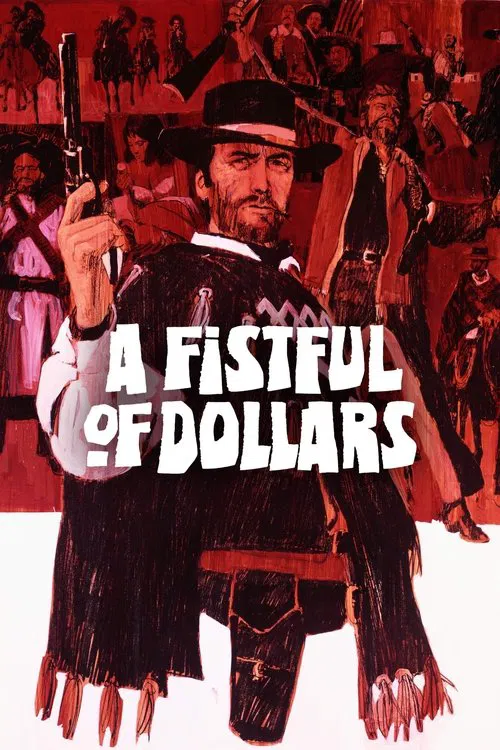
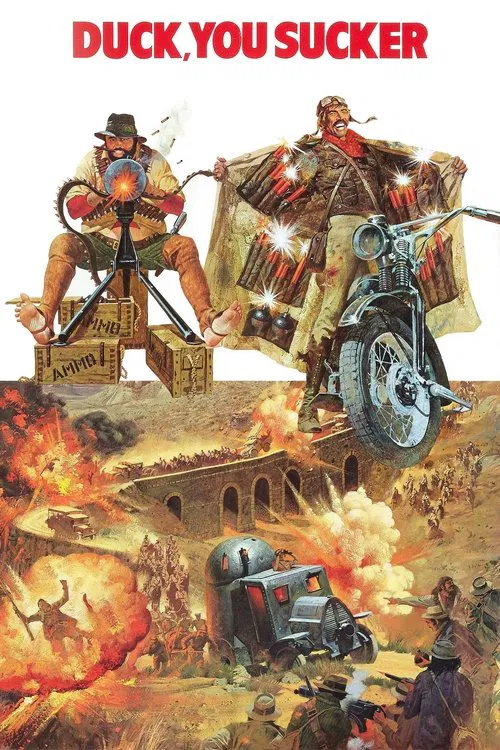
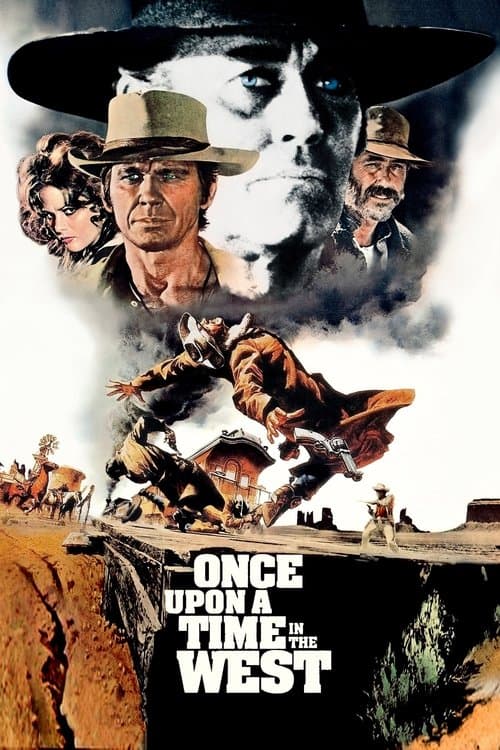
Sergio Leone directed For a Few Dollars More, released in 1965. CineCode also covers A Fistful of Dollars (1964), The Good, the Bad and the Ugly (1966), Once Upon a Time in the West (1968), Duck, You Sucker (1971), Once Upon a Time in America (1984).
What films are similar to For a Few Dollars More?
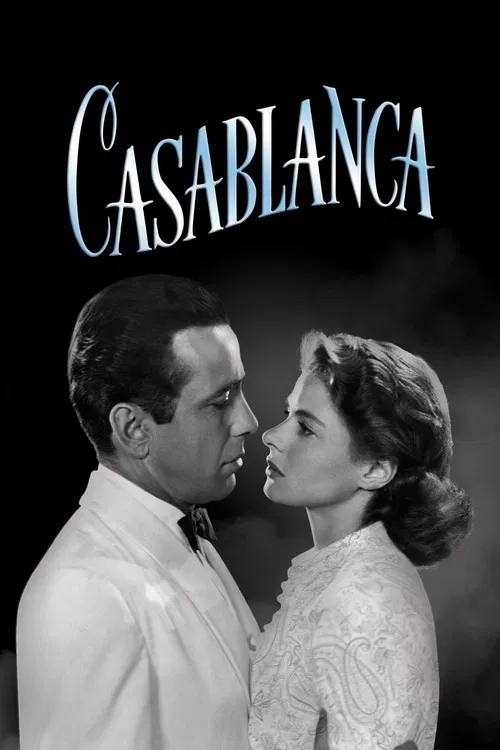
Films that share techniques with For a Few Dollars More include The Good, the Bad and the Ugly (1966), Once Upon a Time in the West (1968), A Fistful of Dollars (1964), Casablanca (1942).