Horror · Thriller

Repulsion

Roman Polanski, 1965

Carol, a shy Belgian manicurist in London, is left alone in her sister's apartment and slowly loses her grip on reality. The nightmares become real enough to kill for. Watch how the apartment, the camera and the sound pull you into her mind.

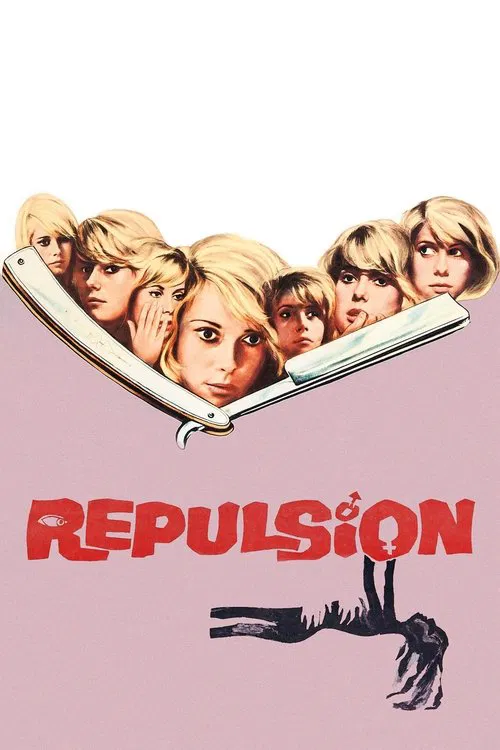
Repulsion (1965) poster

At a glance

Repulsion is a 1965 horror and thriller film directed by Roman Polanski. This breakdown covers 5 techniques (2 cinematography, 2 narrative and 1 sound), each with the scene where you can see it. If you like how it is made, The Apartment uses several of the same techniques.

Cinematography

Subjective Camera

Placing the camera where a character's eyes are, or shooting the scene the way that character experiences it. You see and feel things from inside their head.

How this film uses it

The film increasingly shows what Carol experiences. A dark figure appears in the mirror, footsteps sound outside her bedroom and hands reach out of the hallway walls. You see her hallucinations as she does, so you cannot step outside them.

Where to see it

The hallway: Carol walks down the dark hallway of her apartment and hands appear out of the walls and grab her.
Cinematography

Production Design as Psychological Space

Designing the sets to reflect what is going on inside a character. The place they live in tells you things about them that the dialogue doesn't.

How this film uses it

The flat cracks along with Carol's mind. A wall splits open, and the wall behind a family photo shatters like a mirror. The art director and cinematographer photographed real flats shared by young women in South Kensington, which makes the decay feel believable.

Where to see it

The cracking wall: As Carol turns on a light, the wall cracks open. Later, the wall behind a family photo shatters.

Narrative

Slow Burn Horror Pacing

Spending a long time on normal life, character and atmosphere before any real threat arrives. Dread builds bit by bit, so the climax feels inevitable and devastating when it comes.

How this film uses it

For a long time the film is quiet. Carol drifts through the salon, her dates with Colin and her sister's relationship with Michael. When her sister leaves for Italy, the dread builds over days alone.

Where to see it

The start of her isolation: Helen and Michael leave for Italy, leaving Carol alone in the apartment. She stops going to work.

Narrative

Symbolic Object

Returning to the same physical object again and again until it means more than what it is. It moves the plot and also stands for the film's main ideas.

How this film uses it

The uncooked rabbit sits on a plate and rots while Carol falls apart. Later, her coworkers find the rabbit's head in her purse. It becomes a countdown for her mental state.

Where to see it

The rabbit: Carol takes a rabbit out of the fridge for dinner but never cooks it. It sits out and rots as her breakdown grows.

Sound

Dissonant Jazz Underscore

Scoring the film with uneasy jazz, often improvised or driven by drums. Its late-night city feel and unstable harmonies rub against the images and track a mind coming apart.

How this film uses it

Chico Hamilton's jazz score gives the film an uneasy, late-night feel. One of its tracks is called Carol's Walk. The music follows her mood more than the plot.

Where to see it

The pavement crack: Carol walks home from work and is bothered by a crack in the pavement. She then struggles to speak with Colin.

Questions

Repulsion: quick answers

What filmmaking techniques does Repulsion use?
CineCode breaks down 5 techniques in Repulsion (1965): Subjective Camera, Production Design as Psychological Space, Slow Burn Horror Pacing, Symbolic Object and Dissonant Jazz Underscore.
Who directed Repulsion?
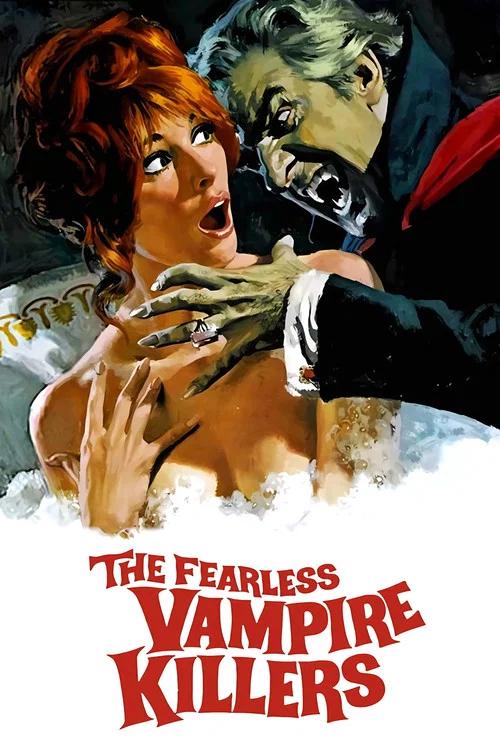
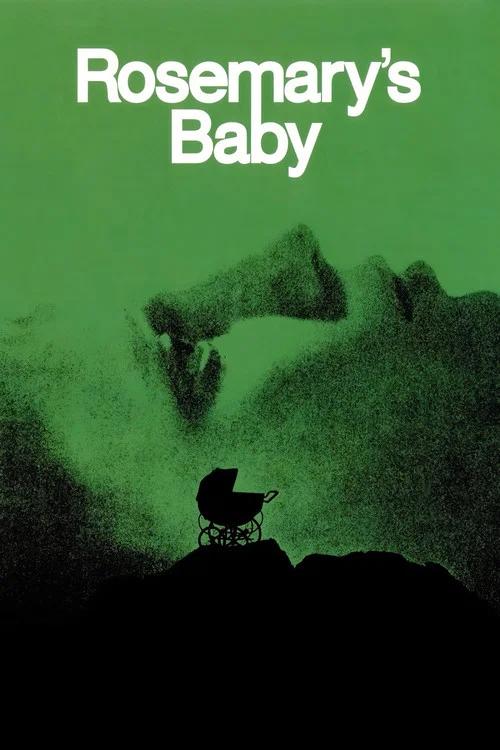
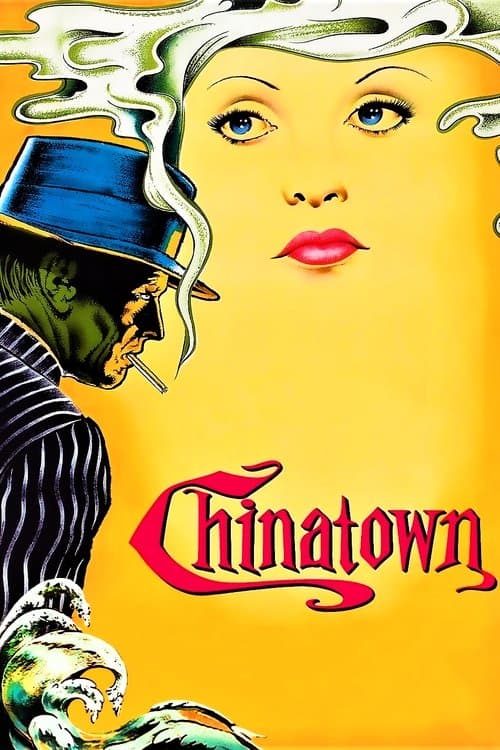
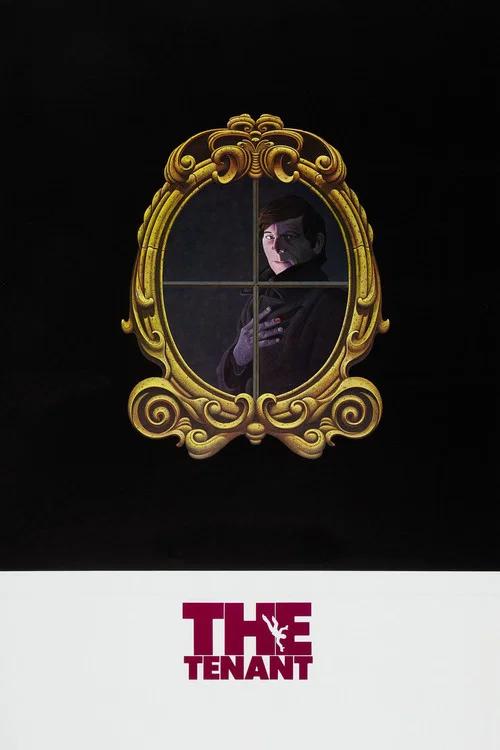
Roman Polanski directed Repulsion, released in 1965. CineCode also covers The Fearless Vampire Killers (1967), Rosemary's Baby (1968), Chinatown (1974), The Tenant (1976), Frantic (1988), Bitter Moon (1992).
What films are similar to Repulsion?
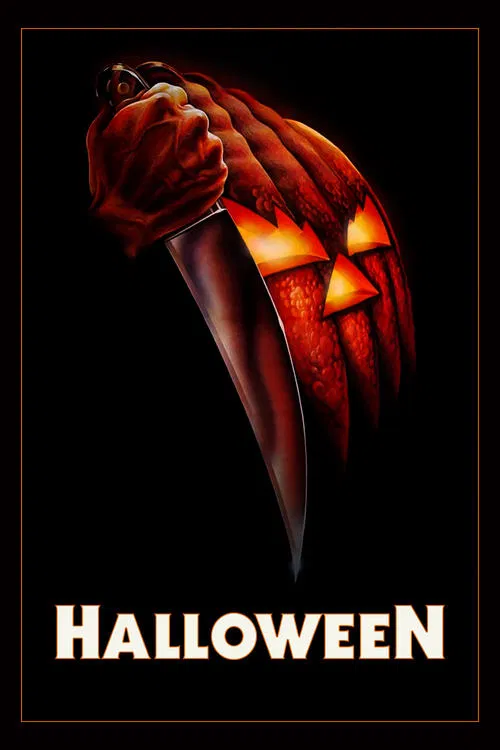
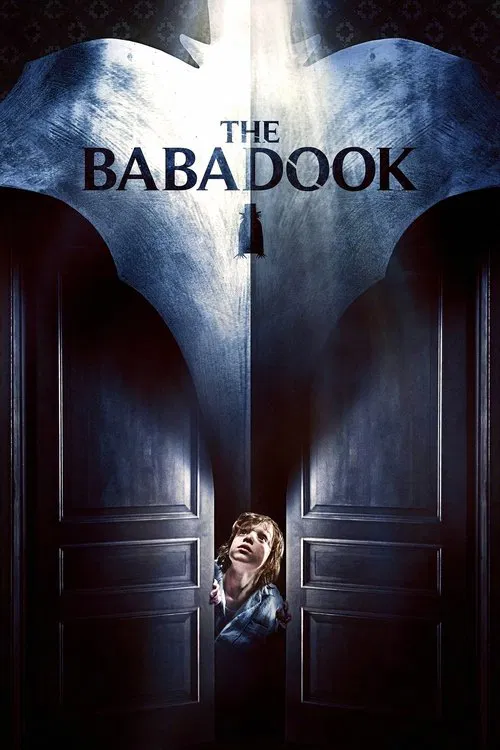
Films that share techniques with Repulsion include The Apartment (1960), Burning (2018), Halloween (1978), The Babadook (2014).