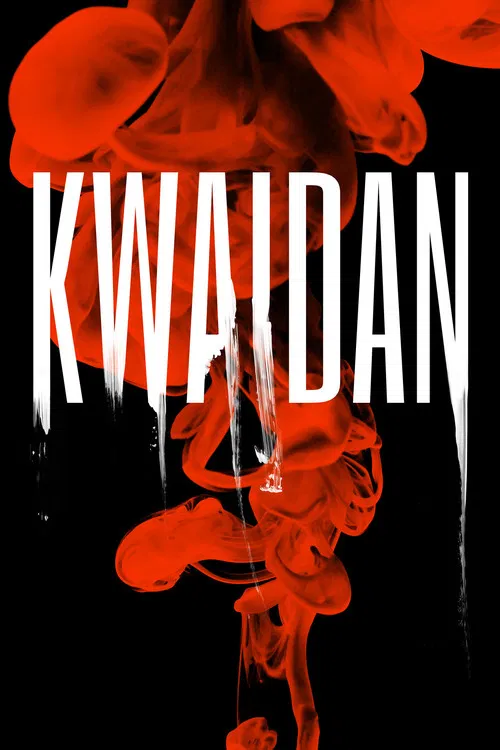
Four Japanese ghost stories told one after another: a samurai who abandons his wife, a woodcutter who meets a snow spirit, a blind musician haunted by the dead and a samurai who sees a face in a cup of tea. Kobayashi builds the world on a giant studio set. It is like watching a painting come to life.
Kwaidan is a 1965 horror and fantasy film directed by Masaki Kobayashi. This breakdown covers 5 techniques (2 narrative, 2 cinematography and 1 sound), each with the scene where you can see it. If you like how it is made, Harakiri uses several of the same techniques.
Moving the film at the slow, deliberate pace of a ritual, with long takes, few cuts and unhurried camera moves. The patience builds dread and gives each step the weight of a ceremony.
How this film uses it
Kobayashi moves slowly, with long takes and few cuts, like a ritual. Fear comes from waiting. You watch a blind man play for an audience you know is not alive, and every quiet moment feels like it is about to break.
Where to see it
Hoichi's performances. The blind biwa player is summoned each night to perform for a court of the dead.
Wrapping the story inside another story that turns out to be a trap or a deception. The listener, or you as the viewer, gets locked into the teller's version before realizing what it is for.
How this film uses it
The last story is told by a writer whose own tale is left unfinished. The frame around it turns into the trap, and his publisher finds out what became of him. You realize the story has been reaching out of the page.
Where to see it
In a Cup of Tea. A writer tells the story of a samurai who sees a stranger's face in his tea, and the tale ends unresolved.
Borrowing stage conventions such as curtains, masks, bare sets and ritual movement. Scenes become formal and life starts to look like a performance.
How this film uses it
Kobayashi built the huge sets in an airplane hangar because the studio's sound stages were too small. The lighting is like stage lighting, and everything looks artificial on purpose. The sets make the ghost stories feel like rituals acted out for the audience.
Where to see it
The studio sets. The film stages its four stories inside the hangar sets, with theatrical light and stylized rooms.
Painting backgrounds by hand with exceptional detail and scale. The settings feel real in texture and fantastical in presence, and they look both beautiful and irreplaceable.
How this film uses it
The skies and landscapes are painted backdrops, not real places. The huge painted skies make the characters tiny and dreamlike, and they give the snow and the sea battles a look no location could.
Where to see it
The Woman of the Snow. The woodcutter Minokichi meets a snow spirit in a painted, otherworldly landscape.
Pairing sounds with images that do not match them, so noises and music seem to come from nowhere. The gap makes ordinary scenes feel haunted.
How this film uses it
Composer Toru Takemitsu made a score and sound effects that often do not match what is on screen. A sound seems to come from nowhere, and a quiet image is paired with a strange noise. The gap leaves you uneasy even before anything scary happens.
Where to see it
The Black Hair. A samurai goes back to his first wife, then wakes beside her rotted corpse.
Questions
Kwaidan: quick answers
What filmmaking techniques does Kwaidan use?
CineCode breaks down 5 techniques in Kwaidan (1965): Ceremonial Pacing, Frame Narrative as Trap, Theatrical Staging, Hand-Painted Environmental Scale and Sound Decoupled From Image.
Who directed Kwaidan?
Masaki Kobayashi directed Kwaidan, released in 1965. CineCode also covers Harakiri (1962).
What films are similar to Kwaidan?
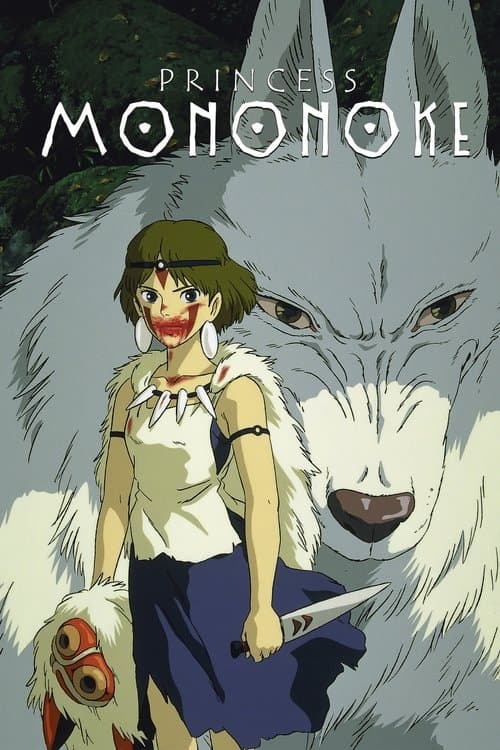
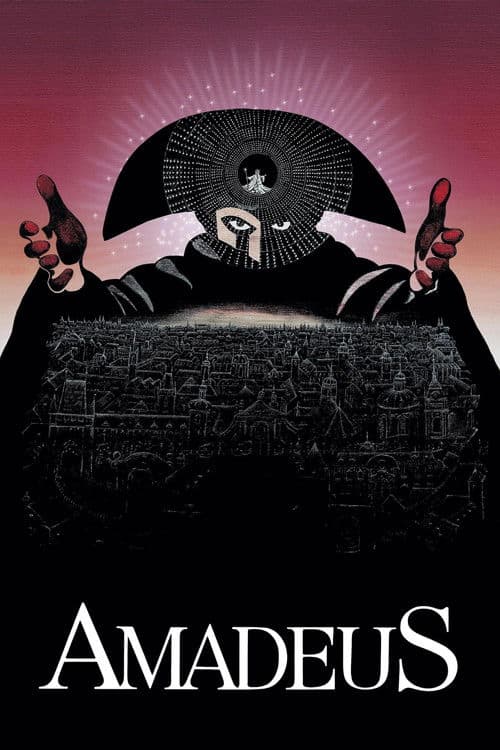
Films that share techniques with Kwaidan include Harakiri (1962), The Grand Budapest Hotel (2014), Princess Mononoke (1997), Amadeus (1984).