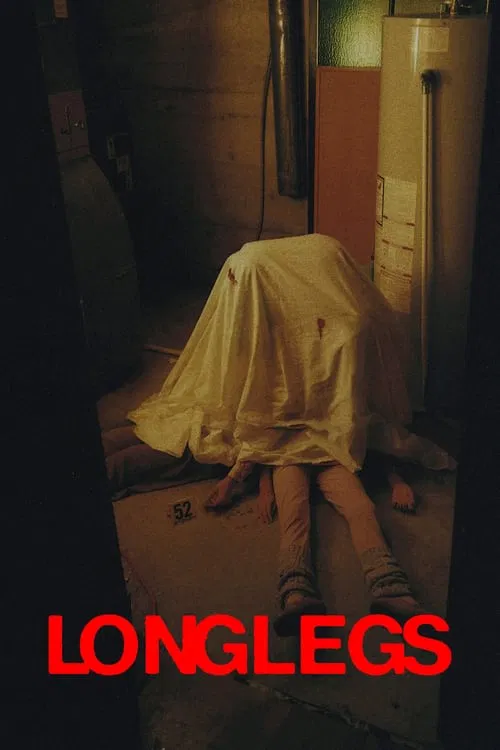
In the 1990s, FBI agent Lee Harker is put on a string of murders where fathers killed their families and left coded letters signed "Longlegs". The case turns out to be tied to her own childhood. Osgood Perkins builds dread through how he frames empty space, and you will catch yourself checking the corners of the screen.
Longlegs is a 2024 horror, thriller and crime film directed by Osgood Perkins. This breakdown covers 5 techniques (2 cinematography, 1 sound and 2 narrative), each with the scene where you can see it. If you like how it is made, Chinatown uses several of the same techniques.
Changing the color, film texture and camera style for each time period, and using the fashion and architecture of the day. Every era gets its own distinct feel.
How this film uses it
The 1970s scenes were shot on 35mm film in a boxy 4:3 frame. The 1990s scenes were shot digitally in a wide 2.39:1 frame. Some flashbacks even have rounded corners, like an old photo. You always know which time you are in, and the past looks like a snapshot.
Where to see it
The opening in 1974. A little girl with a Polaroid camera walks out into the snow to meet a strange man, all inside the square, old-looking frame.
Keeping a threat or character mostly out of view and suggesting it through sound, movement at the edge of the frame and other people's reactions. Your imagination makes it scarier than anything shown.
How this film uses it
In the opening, you see Longlegs' clothes and hear his odd way of talking, but the camera keeps his face out of view. After that, the film keeps him away for long stretches while the case builds around him. By the time you see him clearly, your imagination has already done the work.
Where to see it
The 1974 opening. Longlegs leans in toward the girl with his face hidden, and you only glimpse it in the last split second of the scene.
Placing characters with care inside a wide frame that is mostly empty space. The emptiness makes them look small, isolated or boxed in by the place around them.
How this film uses it
Cinematographer Andrés Arochi left big blank areas in the frame, often behind Lee. He has said that fear lives behind your back. Perkins also asked him to leave extra room above the actors' heads. You end up scanning the edges of every shot.
Where to see it
Lee alone at her isolated house. She is framed small with empty space around her, so you keep waiting for something to step into it.
Revealing character and motive through physical evidence and a detective's step-by-step reasoning, with no confessions or backstory dumps. You piece together the truth alongside the investigator.
How this film uses it
Lee solves the case through evidence and patterns. She cracks the coded letters and notices that every family had a daughter born on the 14th of the month. You put the pieces together right beside her.
Where to see it
Lee maps the murders on a calendar. The dates form a triangle with one point missing, which points to a family that hasn't been hit yet.
Holding back a key piece of information for a large part of the film, then revealing it in 1 moment. Everything you already watched now means something different.
How this film uses it
The film saves its biggest secret, about Lee's mother Ruth, for the last act. Ruth made a deal with Longlegs to save Lee's life, and she delivered his dolls while posing as a nun. Every earlier scene with Ruth looks different once you know.
Where to see it
The revelation about Ruth. You learn she made a bargain with Longlegs and carried his dolls into other families' homes.
Questions
Longlegs: quick answers
What filmmaking techniques does Longlegs use?
CineCode breaks down 5 techniques in Longlegs (2024): Era-Coded Visual Grammar, Off-Screen Presence, Minimalist Widescreen Staging, Forensic Inference Narration and The Long Reveal.
Who directed Longlegs?
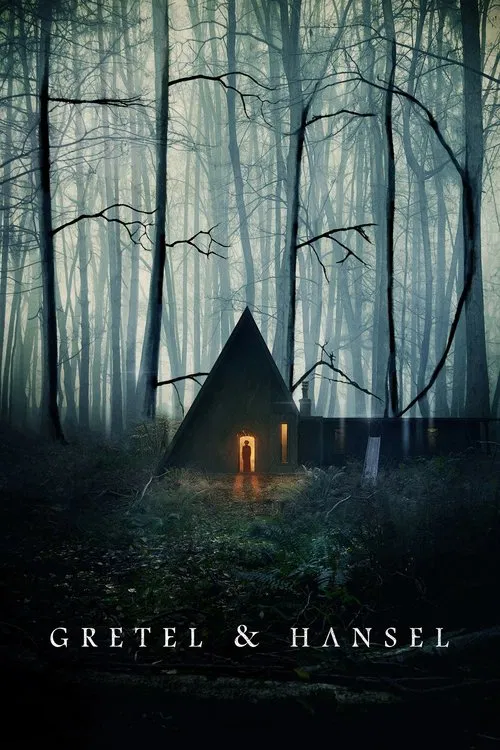
Osgood Perkins directed Longlegs, released in 2024. CineCode also covers Gretel & Hansel (2020).
What films are similar to Longlegs?
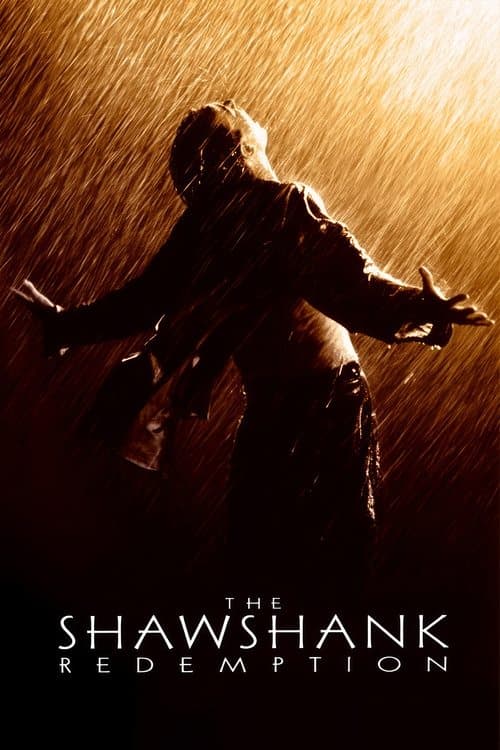
Films that share techniques with Longlegs include Chinatown (1974), Zodiac (2007), The Ghost Writer (2010), The Shawshank Redemption (1994).