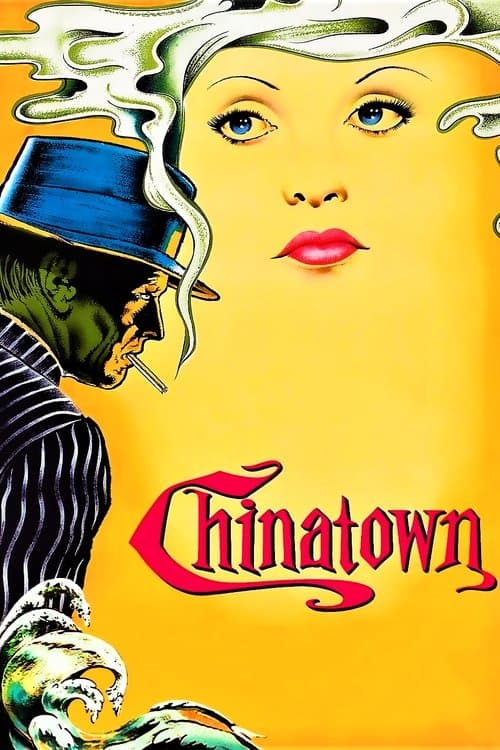
Chinatown
Roman Polanski · 1974
A Los Angeles private detective hired to investigate a supposed adultery uncovers a conspiracy involving the city's water supply — and discovers that the truth is far worse than any crime he expected to find. The defining neo-noir, built on the impossibility of justice.
Techniques Used
4 techniques identified in this film
Forensic Inference Narration
NarrativeA narrative structure built around a detective's process of reasoning from evidence to conclusion — the audience assembling the same clues simultaneously, investigation as the story's spine.
How this film uses it
Gittes follows the evidence with the confidence of a man who has solved cases before. Polanski gives him every clue he needs — the water at night, the glasses, the land purchases — and shows him reason correctly to wrong conclusions. The technique makes the film's tragedy inescapable: Gittes is a brilliant detective in a situation that defeats intelligence.
Expectation Collapse
NarrativeA film that uses genre conventions to build audience expectations and then systematically refuses to fulfill them — the collapse of expectation being the film's meaning rather than a flaw.
How this film uses it
Every noir convention says the detective solves the crime and the woman is saved. Polanski honors every convention until the final scene, then refuses each one. Evelyn is shot. Noah Cross escapes. Chinatown claims them all. The film's power comes precisely from having built the expectation it destroys — the genre made the ending's horror possible.
Voyeuristic Implication
CinematographyPlacing the camera in positions that implicate the audience in the act of surveillance — watching, following, observing from concealment — making spectatorship itself morally charged.
How this film uses it
Gittes is a professional voyeur, and the film shoots him in the act — photographing from a distance, watching through binoculars, eavesdropping. The audience shares his position and his complicity. When the voyeur becomes the observed, when his watching is turned against him, the camera's implication in his vulnerability is complete.
Unreliable Narrator
NarrativeA protagonist whose account of events cannot be trusted — not because they lie, but because their understanding is limited, distorted, or systematically manipulated.
How this film uses it
Gittes narrates through action — everything we see is what he investigates. But he is wrong about almost everything important. He is being played from the first scene. Polanski never corrects him in real time, forcing the audience to realize, only as Gittes does, that they have been watching the wrong story.
You Might Also Like
Films that share at least one technique with Chinatown
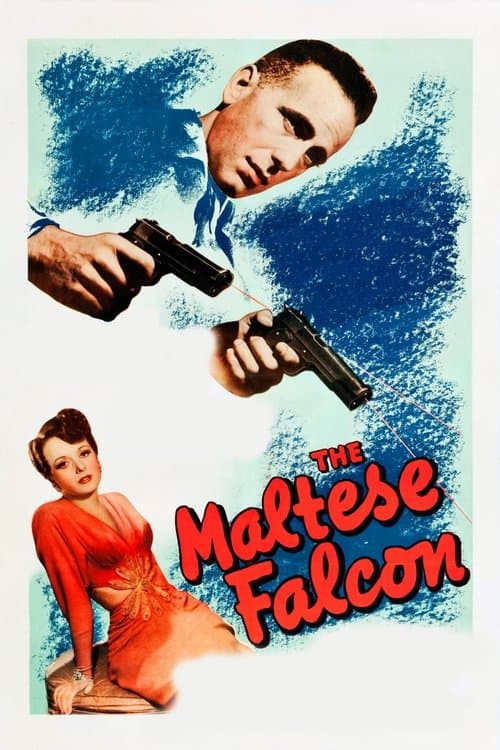
A San Francisco private detective is hired by a mysterious woman who is being followed, and finds himself at the center of a lethal competition for a jewel-encrusted statuette of a black bird. The film that invented film noir.
The Maltese Falcon
John Huston · 1941
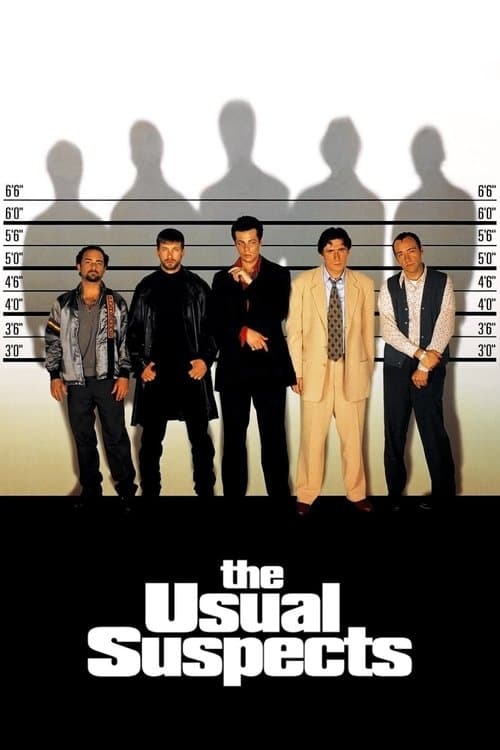
The lone survivor of a massacre at a San Pedro harbor tells a customs agent the story of how five criminals were brought together by the mysterious crime lord Keyser Söze. The film's architecture is built around one of cinema's most celebrated unreliable narrators.
The Usual Suspects
Bryan Singer · 1995
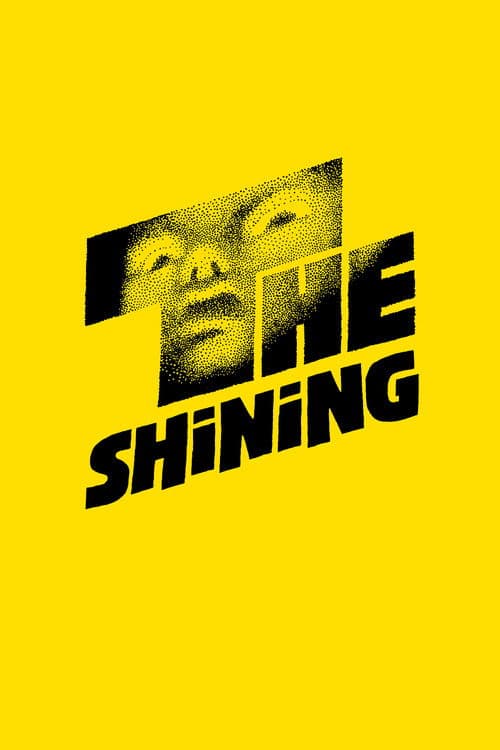
A writer takes a job as winter caretaker at a remote hotel, where supernatural forces — or his own fracturing psyche — drive him toward violence against his family. Kubrick's definitive study in geometric dread.
The Shining
Stanley Kubrick · 1980