
The Silence of the Lambs
Jonathan Demme · 1991
An FBI trainee is sent to interview a brilliant imprisoned cannibal to gain insight that might help catch a different serial killer, and a relationship of dangerous asymmetric exchange develops between them. A study of predation, institutional power, and the psychology of empathy used as a weapon.
Techniques Used
4 techniques identified in this film
Direct Address Framing
CinematographyPositioning characters to look directly into the camera lens during dialogue — breaking the conventional fourth wall to create an uncanny sense of direct personal engagement between character and viewer.
How this film uses it
Demme shoots nearly every dialogue scene with characters looking directly into the lens. The technique is most disturbing with Lecter — the audience becomes the person he is addressing — but it also applies to Clarice, making her vulnerability feel personally directed at us.
The Mentor-Monster Dynamic
NarrativeA relationship structure in which the character who most threatens the protagonist is also the character who most genuinely helps them — the danger and the guidance inseparably intertwined.
How this film uses it
Lecter teaches Clarice how to think, gives her the insights that crack the case, and genuinely seems to care about her development — while also being a murderer who could kill her if the glass weren't there. Demme and Hopkins ensure the mentorship is real rather than ironic, which makes the dynamic genuinely disturbing.
Subterranean Space Horror
CinematographyUsing underground or enclosed, below-ground spaces as the setting for a film's most threatening sequences — the architecture of confinement functioning as a physical extension of the horror.
How this film uses it
Buffalo Bill's basement, Lecter's underground cell, the climactic chase through darkness — the film progressively moves its action underground. Tak Fujimoto's cinematography in these spaces removes the safety of visible exits, trapping both Clarice and the audience in environments with no obvious escape.
Forensic Inference Narration
NarrativeRevealing character and motive not through backstory or confession but through the accumulation of physical evidence — teaching the audience to read a scene the way an investigator would.
How this film uses it
Clarice and the audience learn about Buffalo Bill entirely through the evidence of his crimes: the moths, the lotion, the weight of his victims, the specific sewing patterns. The film constructs a portrait of pathology from its artifacts before the person is fully visible.
You Might Also Like
Films that share at least one technique with The Silence of the Lambs
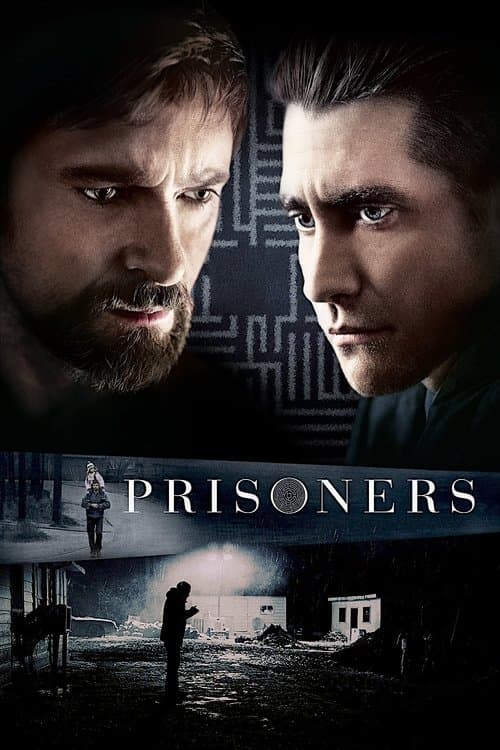
Two young girls disappear on Thanksgiving Day, and one father — unable to wait for the detective's investigation — takes justice into his own hands. A film about how quickly the desire to protect can become indistinguishable from the violence it opposes.
Prisoners
Denis Villeneuve · 2013

A Los Angeles private detective hired to investigate a supposed adultery uncovers a conspiracy involving the city's water supply — and discovers that the truth is far worse than any crime he expected to find. The defining neo-noir, built on the impossibility of justice.
Chinatown
Roman Polanski · 1974
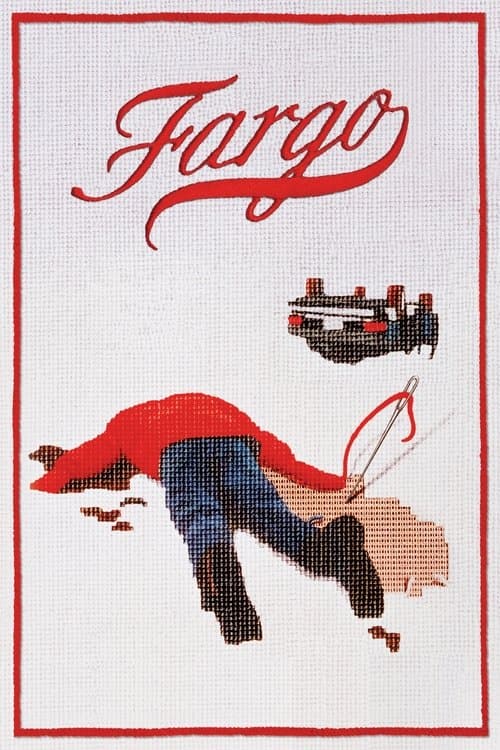
A financially desperate Minnesota car salesman hires two criminals to kidnap his wife for ransom — a scheme that spirals into multiple murders investigated by a very pregnant small-town police chief. The Coens' blackest comedy about the banality of greed.
Fargo
Joel Coen, Ethan Coen · 1996