Sound technique · used in 12 films

Off-Screen Presence

Keeping a threat or character mostly out of view and suggesting it through sound, movement at the edge of the frame and other people's reactions. Your imagination makes it scarier than anything shown.

Examples

12 films that use it

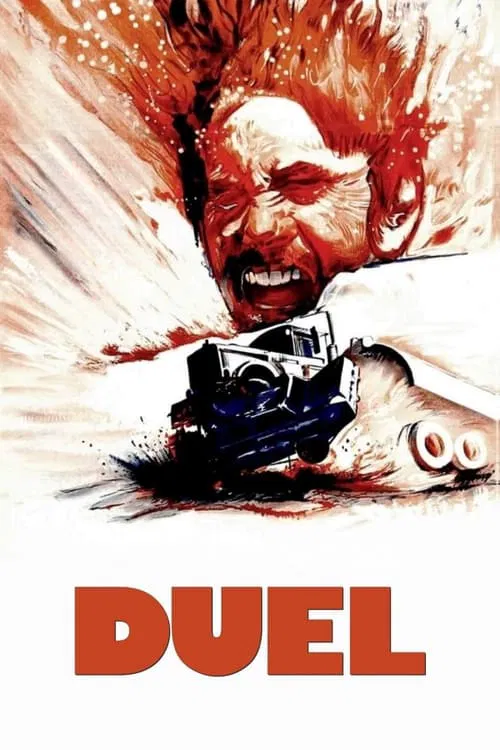
  1. Duel (1971) poster

    Duel

    Steven Spielberg · 1971

    You hardly ever see the man behind the wheel. You hear the horn and the engine, and you watch Mann's face when the truck appears in his mirror. Your imagination does the rest of the work.

    Where to see it: The railroad crossing. Mann waits for a train, the truck shoves his car onto the tracks, and the train clears the crossing just in time.

  2. Halloween (1978) poster

    Halloween

    John Carpenter · 1978

    Michael keeps showing up at the edges of Laurie's day. He stands in the background, half hidden, and he is gone the next time she looks. You start scanning every hedge and doorway for him, which makes the quiet parts scary.

    Where to see it: The walk home from school. Laurie sees a man in a white mask standing behind a hedge. Her friend Annie checks, and there is nobody there.

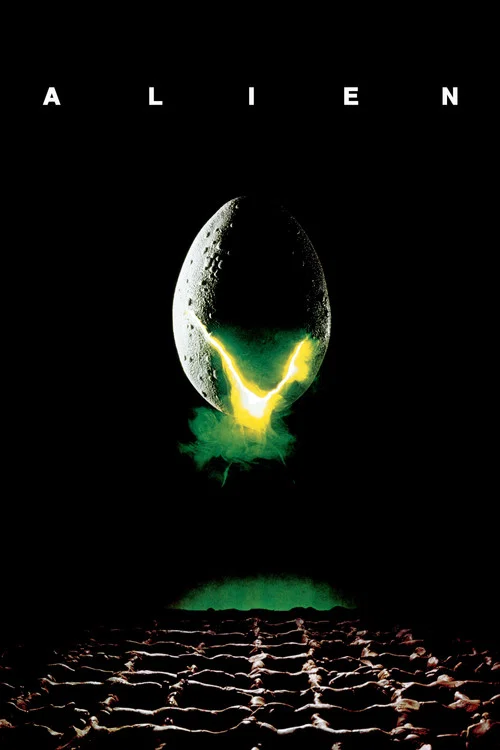
  3. Alien (1979) poster

    Alien

    Ridley Scott · 1979

    You almost never get a clear look at the adult alien, and it is scariest when you can see it least. Scott and cinematographer Derek Vanlint use darkness, partial glimpses and the crew's reactions. The creature stays an idea in your head and never settles into a clear picture.

    Where to see it: Lambert's death. The camera shows the alien's tail creeping up her legs, then cuts away to Ripley, who hears the screams. You have to imagine the rest from the sounds and the reactions.

  4. Predator (1987) poster

    Predator

    John McTiernan · 1987

    For most of the film you never see the creature. You see branches shake, hear a clicking sound and watch the soldiers shoot at nothing, so your imagination fills in the monster.

    Where to see it: The jungle barrage: after Blain is killed, Mac provokes the team into firing blindly into the jungle until trees fall, but they never see the creature.

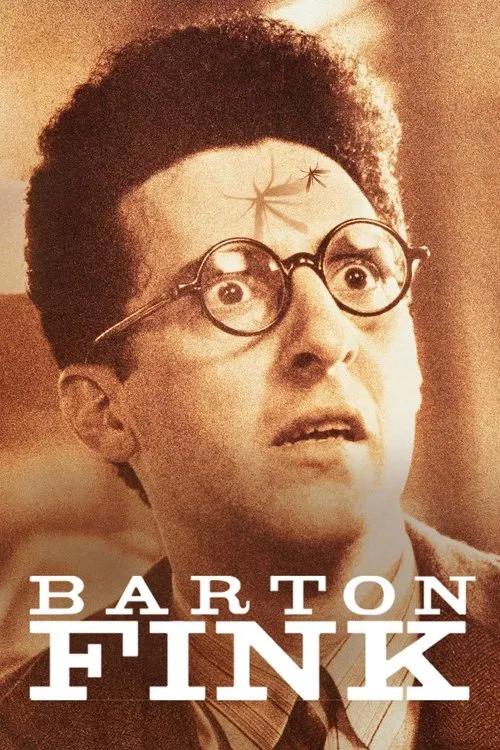
  5. Barton Fink (1991) poster

    Barton Fink

    Joel Coen, Ethan Coen · 1991

    Barton first learns about his neighbor through noise. Sounds come through the thin walls, and he phones the front desk to complain before he ever meets Charlie. What you hear is bigger than what you see, and the real threat stays hidden until late.

    Where to see it: Barton's first night in the hotel. He hears noises from the room next door and calls the front desk to complain, and Charlie comes over to apologize.

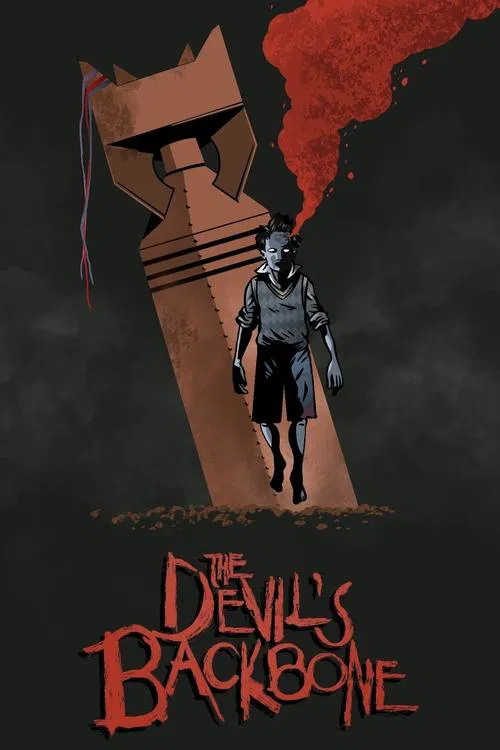
  6. The Devil's Backbone (2001) poster

    The Devil's Backbone

    Guillermo del Toro · 2001

    The first sign of the ghost is a voice. Carlos sneaks into the kitchen after curfew and hears a whisper from nowhere. Because you never see the speaker, you have to imagine it, and that is scarier than any image.

    Where to see it: The kitchen: Carlos sneaks in after curfew and hears a whisper saying that many of them will die.

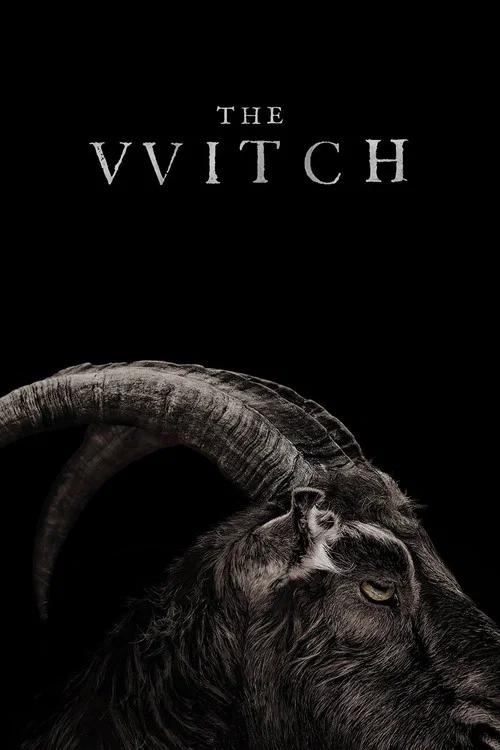
  7. The Witch (2015) poster

    The Witch

    Robert Eggers · 2015

    Black Phillip mostly stays in the pen or at the edge of the frame, and the witch is only ever glimpsed. Eggers trusts the family's terror to scare you more than any visible monster.

    Where to see it: The scenes of Black Phillip in the pen at night. His stillness and unblinking stare are more threatening than any movement.

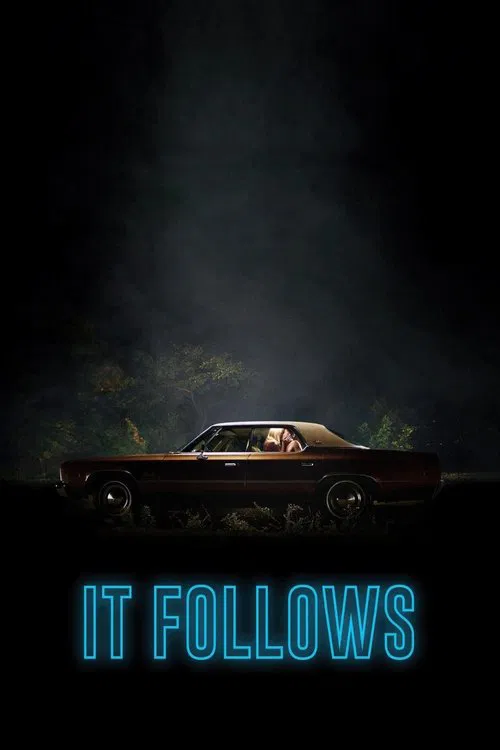
  8. It Follows (2015) poster

    It Follows

    David Robert Mitchell · 2015

    The film trains you to watch the edges of the frame. Even in calm moments, you check the background for someone walking. The last shot plays on that habit and leaves you unsure whether anything is there.

    Where to see it: The ending. Jay and Paul walk down a suburban street holding hands, and far behind them, a figure follows.

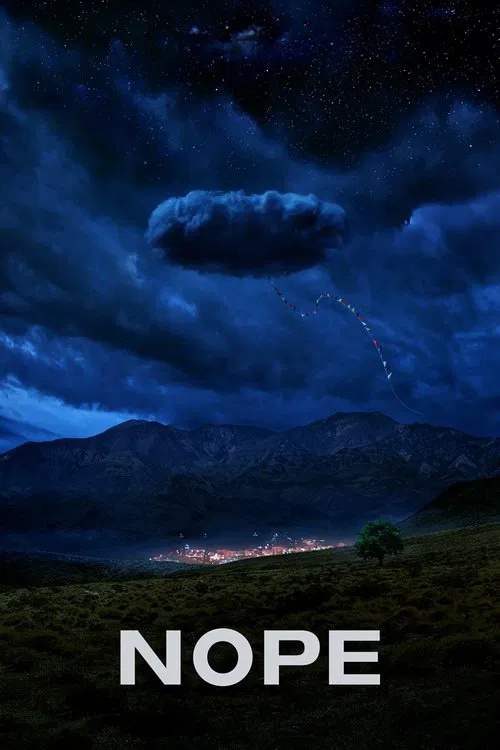
  9. Nope (2022) poster

    Nope

    Jordan Peele · 2022

    For most of the film, you never see the creature clearly. You see a cloud that never moves, horses panicking and the power cutting out. Your imagination fills in the rest.

    Where to see it: Angel's camera setup. The Haywoods' new tech installer notices that one cloud over the valley never moves.

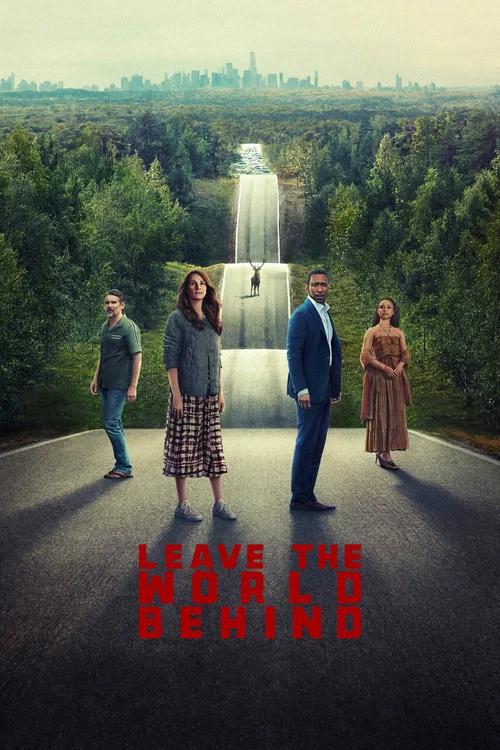
  10. Leave the World Behind (2023) poster

    Leave the World Behind

    Sam Esmail · 2023

    The film rarely shows what is going wrong. The characters hear shrill noises and see strange signs, but the cause stays out of frame. Your imagination fills the gap, and it is worse than a monster.

    Where to see it: The shrill noises. The characters are interrupted by piercing sounds, and Danny suggests microwave weapons may be behind them.

  11. Nosferatu (2024) poster

    Nosferatu

    Robert Eggers · 2024

    Eggers keeps Orlok hidden for a long time. His first appearance is a silhouette lit from behind. Later shots light him from the front but frame only his hands or his eyes. Your imagination builds the rest of him.

    Where to see it: Thomas meets Orlok at the castle. The count stands with light behind him, so you see a huge dark shape and little else.

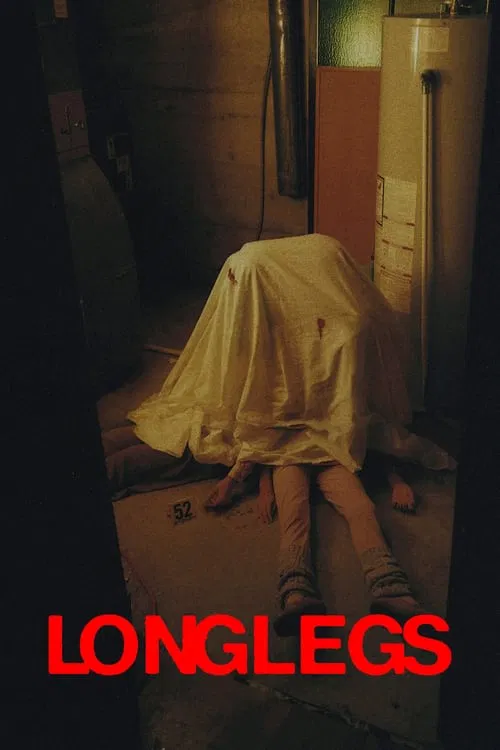
  12. Longlegs (2024) poster

    Longlegs

    Osgood Perkins · 2024

    In the opening, you see Longlegs' clothes and hear his odd way of talking, but the camera keeps his face out of view. After that, the film keeps him away for long stretches while the case builds around him. By the time you see him clearly, your imagination has already done the work.

    Where to see it: The 1974 opening. Longlegs leans in toward the girl with his face hidden, and you only glimpse it in the last split second of the scene.

Questions

Quick answers

What is off-screen presence in film?
Keeping a threat or character mostly out of view and suggesting it through sound, movement at the edge of the frame and other people's reactions. Your imagination makes it scarier than anything shown.
Which films use off-screen presence?
Duel (1971), Halloween (1978), Alien (1979), Predator (1987), Barton Fink (1991), The Devil's Backbone (2001) and 6 more films in the CineCode library.
What kind of technique is off-screen presence?
It is a sound technique. Related sound techniques include Diegetic Sound Design, Leitmotif.