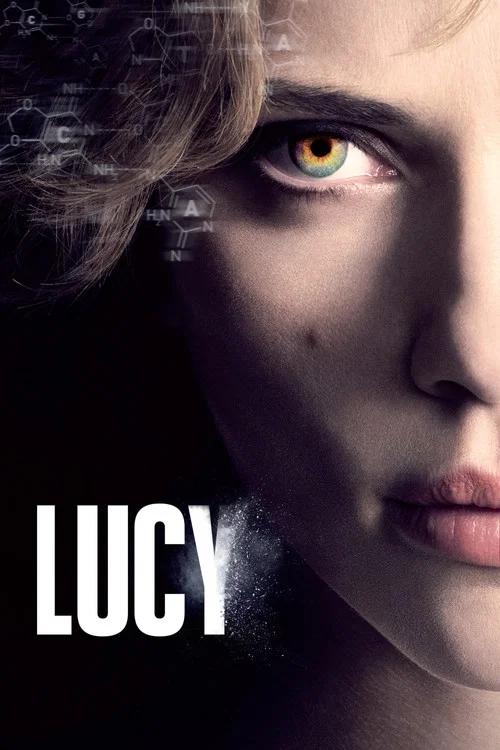
Lucy, a student in Taipei, is forced to carry a new synthetic drug inside her body. When it leaks, her brain starts unlocking more power, and she hunts the people who used her. Besson mixes a gangster thriller with big ideas about time. It is worth watching for how far he takes one silly premise.
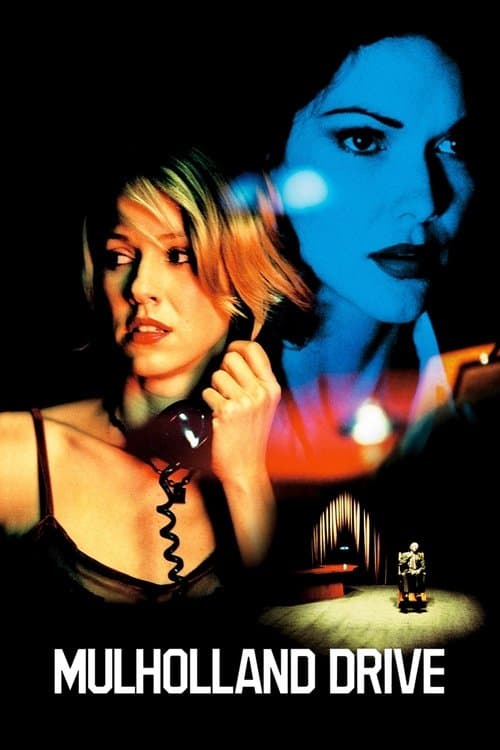
Lucy is a 2014 science fiction, action and thriller film directed by Luc Besson. This breakdown covers 4 techniques (2 narrative, 1 editing and 1 cinematography), each with the scene where you can see it. If you like how it is made, Mulholland Drive uses several of the same techniques.
Building the story around a clear deadline the hero must beat. The time pressure and the obstacles grow with each scene until the climax.
How this film uses it
Once the drug leaks, Lucy learns that her body will not survive its changes for long. She decides to share what she knows before the time runs out. The film puts a rising percentage on screen to show how much of her brain she can use, so the clock is always visible.
Where to see it
Lucy's meeting with Professor Norman. She predicts she has about 24 hours left and decides to pass on what she is learning.
Cutting to an image from outside the story's time and place, such as a memory, fantasy or symbol. It shows what a character feels or comments on the scene.
How this film uses it
Besson cuts away from the action to images that come from outside the scene, such as animals on the hunt, to comment on what is happening to a person. The cutaways say the film's idea in pictures without any extra dialogue.
Where to see it
The Taipei hotel scene. As Lucy is pushed toward the drug lord's men, the film cuts to a wild animal stalking its prey.
Giving a character a growing ability so each scene shows a bigger version of it. The question shifts from what they can do to what is left of them as a person.
How this film uses it
Lucy goes from a frightened courier to someone who can read minds and move objects. Each new power makes her colder and less human. You start to worry about what she is losing, even while the powers get more fun to watch.
Where to see it
Lucy's return to the hotel. She now handles the drug lord's bodyguards with ease and learns where the other drug bags are without being told.
Showing an inner problem as something you can see, such as a visible lie, a blurred actor or a fully built imagination. The idea becomes a physical sight.
How this film uses it
In the finale, Lucy's body turns into a black substance that spreads into the lab's machines. She travels back through time and meets the early human ancestor she is named after. The film turns the idea of a mind becoming everything into a sight you can follow.
Where to see it
The lab ending. Lucy has the remaining drug injected, turns into a black mass inside the computers and then vanishes into time.
Questions
Lucy: quick answers
What filmmaking techniques does Lucy use?
CineCode breaks down 4 techniques in Lucy (2014): Ticking Clock Structure, Non-Diegetic Insert, Power Escalation Structure and Visual Literalization of Inner State.
Who directed Lucy?
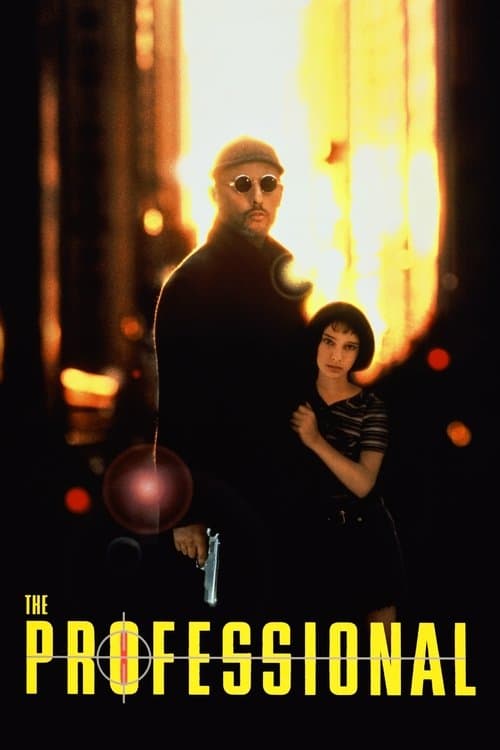
Luc Besson directed Lucy, released in 2014. CineCode also covers Léon: The Professional (1994).
What films are similar to Lucy?
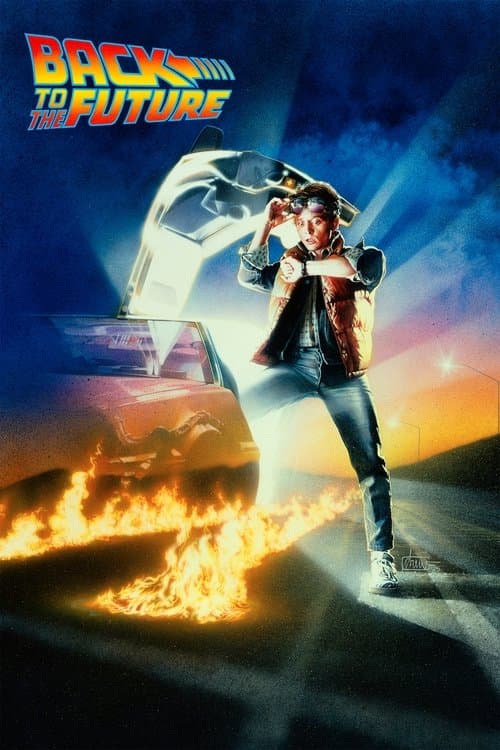
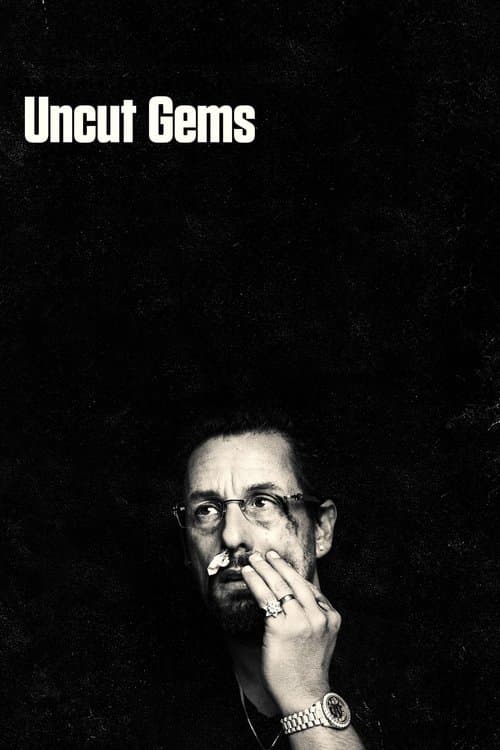
Films that share techniques with Lucy include Mulholland Drive (2001), Back to the Future (1985), North by Northwest (1959), Uncut Gems (2019).