Editing technique · used in 12 films

Non-Diegetic Insert

Cutting to an image from outside the story's time and place, such as a memory, fantasy or symbol. It shows what a character feels or comments on the scene.

Examples

12 films that use it

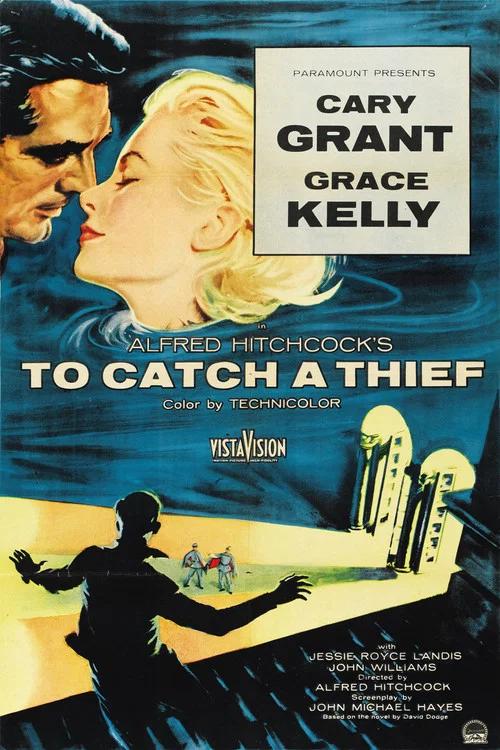
  1. To Catch a Thief (1955) poster

    To Catch a Thief

    Alfred Hitchcock · 1955

    Robie and Frances kiss in her hotel room while fireworks go off outside. The film cuts between the kiss and the bursts of light. It tells you what is happening without showing anything more.

    Where to see it: The fireworks scene. Frances admits she knows who Robie is, and the 2 kiss passionately while fireworks bloom outside the window.

  2. Wings of Desire (1987) poster

    Wings of Desire

    Wim Wenders · 1987

    The angels can hear what people are thinking, and the film gives you this as non-diegetic sound, meaning sound nobody in the story's world could hear. We hear the thoughts of people on the subway, in libraries and on rooftops. These inner monologues are the film's main emotional material.

    Where to see it: The subway sequences. You hear the passengers' inner voices as sound from outside the story's world. The city's shared inner life becomes audible to the angels and to you at the same time.

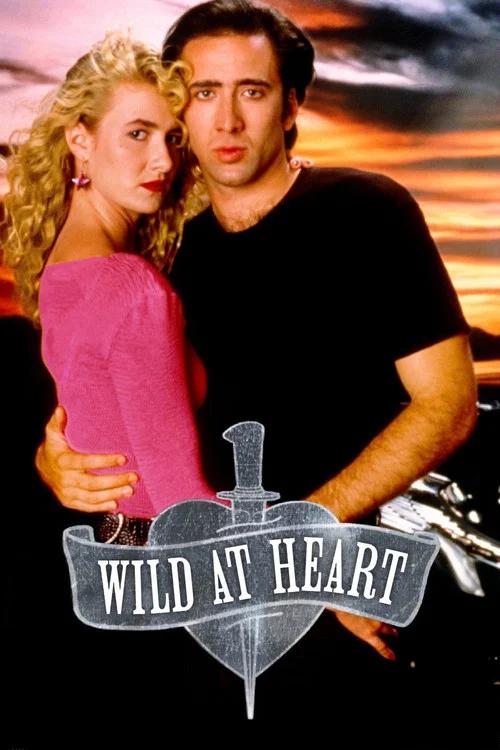
  3. Wild at Heart (1990) poster

    Wild at Heart

    David Lynch · 1990

    Lynch cuts away to close-ups of flames and burning matches, which critics read as signs of desire, rage and violence. The images sit outside the scene, like a thought bursting in.

    Where to see it: The cigarette lights. Flames fill the frame in close-up when characters light cigarettes.

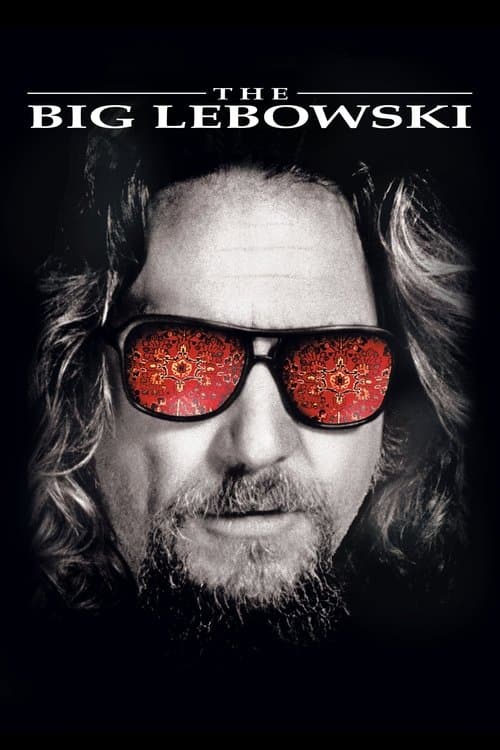
  4. The Big Lebowski (1998) poster

    The Big Lebowski

    Joel Coen, Ethan Coen · 1998

    The Dude's fantasy sequences are the Busby Berkeley musical number and the Viking bowling dream. They are elaborate inserts that sit outside the story's real world. They show his unconscious desires and fears in a visual style that has nothing to do with the film's realistic surface. They are his buried urges turned into images.

    Where to see it: The Busby Berkeley bowling fantasy. The insert shows the Dude's inner life on the grandest possible scale. The dream sequence works as a comic self-portrait.

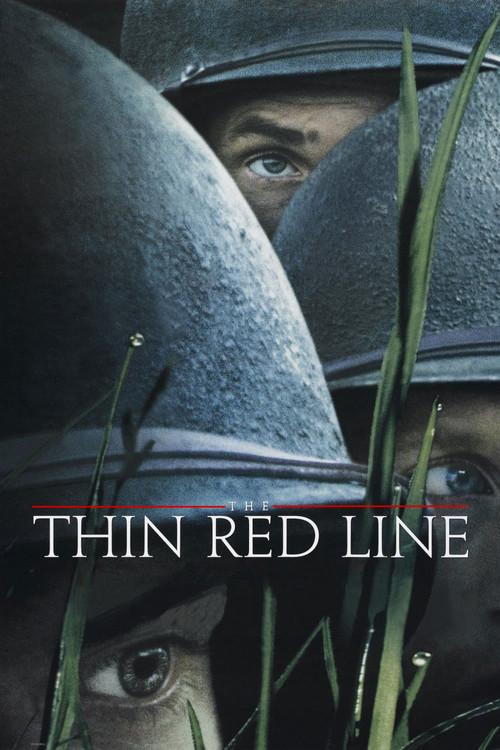
  5. The Thin Red Line (1998) poster

    The Thin Red Line

    Terrence Malick · 1998

    Between scenes of fear, Malick cuts to private memories of home. Bell's images of his wife appear in the middle of the campaign. They show what the soldiers are missing and make the later news that she wants a divorce hurt more.

    Where to see it: Bell's memories of his wife. They surface during the march and the fighting and give his later letter its weight.

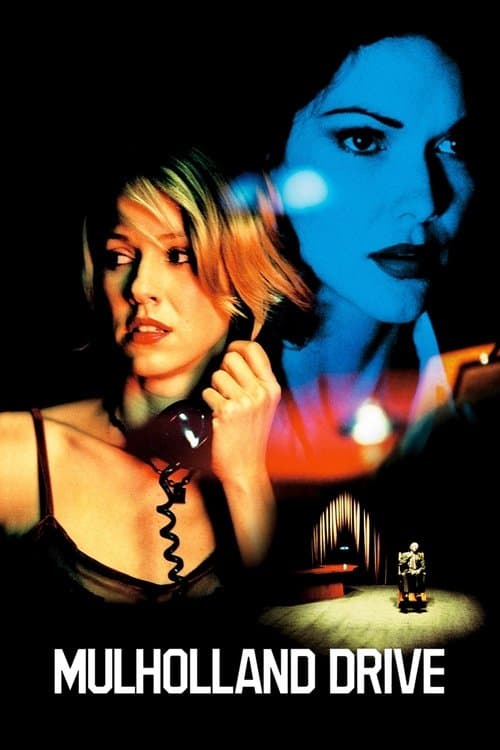
  6. Mulholland Drive (2001) poster

    Mulholland Drive

    David Lynch · 2001

    At the end, Lynch brings back the elderly couple from the airport as tiny figures. Seeing them that small tells you what they are: things Diane's mind made up to torment her.

    Where to see it: The closing minutes. This comes after Diane's breakdown.

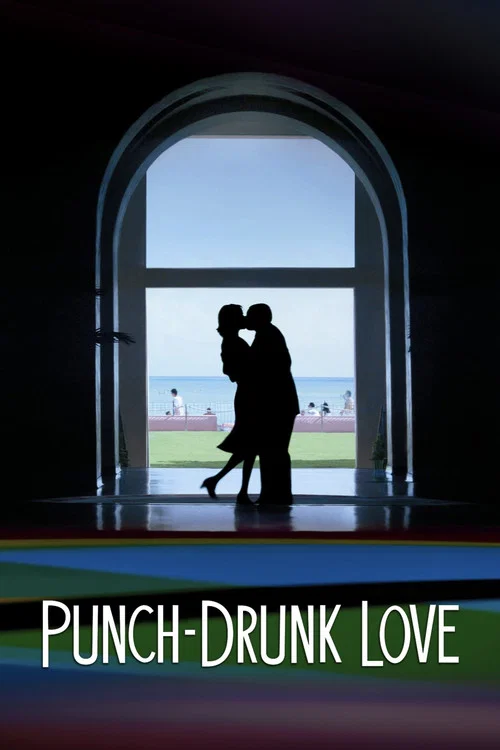
  7. Punch-Drunk Love (2002) poster

    Punch-Drunk Love

    Paul Thomas Anderson · 2002

    Visual artist Jeremy Blake made trippy, fluid abstract images that appear as transitions. They are not part of Barry's world. They show the color and rush of what he feels, and they punctuate the story.

    Where to see it: The abstract color interludes. Blake's shifting fields of color appear between scenes.

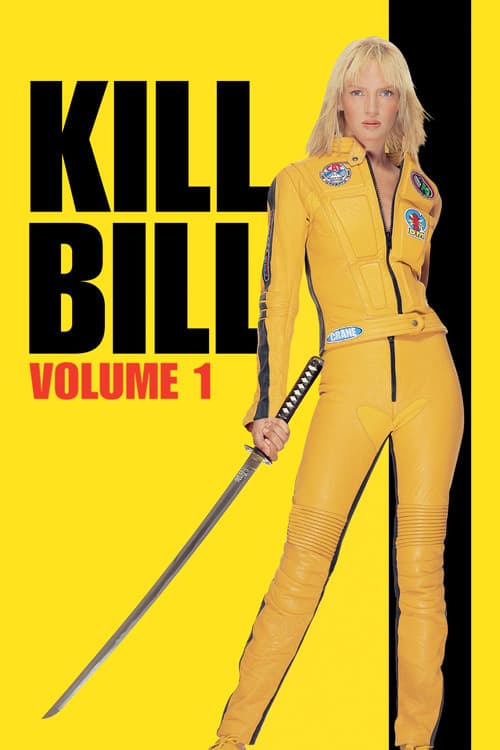
  8. Kill Bill: Volume 1 (2003) poster

    Kill Bill: Volume 1

    Quentin Tarantino · 2003

    O-Ren Ishii's origin story is told entirely in anime. This insert sits outside the live-action reality of the film. That tells you her backstory is too extreme and too mythic for the style of everything else.

    Where to see it: The animated sequence showing O-Ren's childhood trauma. It works as its own short film inside the feature.

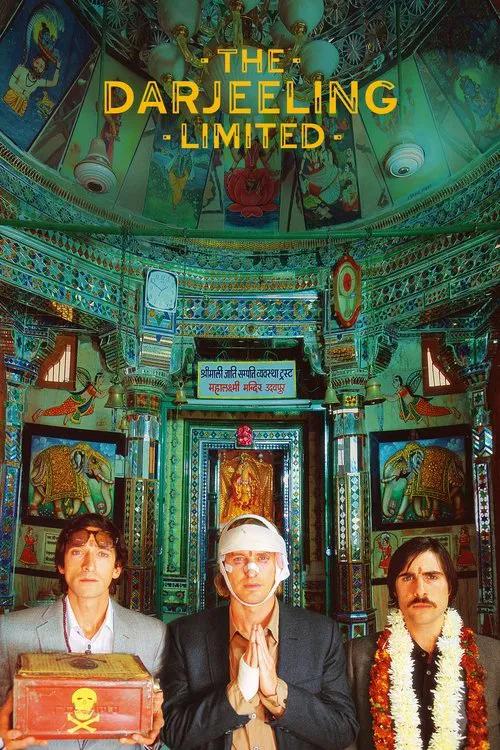
  9. The Darjeeling Limited (2007) poster

    The Darjeeling Limited

    Wes Anderson · 2007

    When the brothers attend the funeral of the boy who died in the river, the film cuts to a flashback of their father's funeral. The image from another time shows what they are feeling without anyone saying it.

    Where to see it: The boy's funeral: The brothers attend the funeral of the boy Peter could not save, which triggers a flashback to their father's funeral.

  10. The Tree of Life (2011) poster

    The Tree of Life

    Terrence Malick · 2011

    The cosmic sequence is 20 minutes of nebulae, volcanoes, cellular life and dinosaurs, dropped into a 1950s family drama. Malick uses it mainly as context, and spectacle comes second. The human grief at the center of the film is real and tiny at the same time.

    Where to see it: The creation sequence. After Mrs. O'Brien asks God why R.L. had to die, the film moves through the birth of the universe and the evolution of life before it returns to the Texas family. Scale itself becomes the subject of the film.

  11. Lucy (2014) poster

    Lucy

    Luc Besson · 2014

    Besson cuts away from the action to images that come from outside the scene, such as animals on the hunt, to comment on what is happening to a person. The cutaways say the film's idea in pictures without any extra dialogue.

    Where to see it: The Taipei hotel scene. As Lucy is pushed toward the drug lord's men, the film cuts to a wild animal stalking its prey.

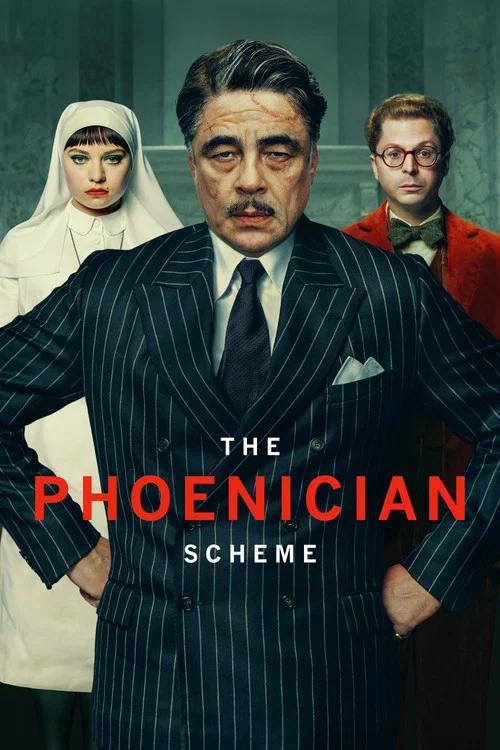
  12. The Phoenician Scheme (2025) poster

    The Phoenician Scheme

    Wes Anderson · 2025

    After close calls, Korda sees visions of a divine court judging whether he deserves Heaven. Reviewers describe them as black and white and compare them to A Matter of Life and Death, with Bill Murray playing God. The visions give you his guilt directly.

    Where to see it: The afterlife court: Korda has visions of a divine court that judges whether he deserves Heaven.

Questions

Quick answers

What is non-diegetic insert in film?
Cutting to an image from outside the story's time and place, such as a memory, fantasy or symbol. It shows what a character feels or comments on the scene.
Which films use non-diegetic insert?
To Catch a Thief (1955), Wings of Desire (1987), Wild at Heart (1990), The Big Lebowski (1998), The Thin Red Line (1998), Mulholland Drive (2001) and 6 more films in the CineCode library.
What kind of technique is non-diegetic insert?
It is a editing technique. Related editing techniques include others listed on the CineCode techniques page.