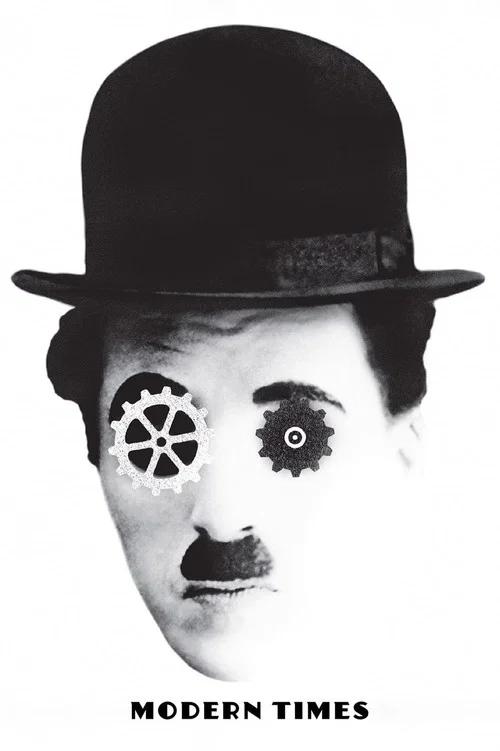
The Tramp works on a factory assembly line during the Great Depression, loses his mind to the machine and drifts through jobs, jail and street life. He meets a young woman who has no home and the two try to make a life together. Watch how Chaplin keeps the Tramp silent in a film with sound.
Modern Times is a 1936 comedy and drama film directed by Charlie Chaplin. This breakdown covers 4 techniques (1 cinematography, 2 narrative and 1 sound), each with the scene where you can see it. If you like how it is made, WALL-E uses several of the same techniques.
Borrowing the physical comedy of silent films, such as pratfalls, precisely timed gags and expressive body language. It is a nod to where cinema came from.
How this film uses it
Chaplin kept making a mostly silent film years after sound arrived. He tried sound scenes and went back to silence with sound effects and a few lines, because he thought the Tramp would lose his charm by speaking. The jokes are pratfalls and timing, and they still work with no translation.
Where to see it
The assembly line. The Tramp tightens bolts on a moving belt, falls behind and ends up caught inside the machinery.
Mocking a specific world, such as an industry, an institution or consumer culture, by exaggerating what is already there. A sci-fi future built from present trends can do this with no direct argument.
How this film uses it
The factory is a machine that treats workers as parts. The assembly line pushes the Tramp until he breaks down, and the feeding machine tries to save lunch time by feeding him while he works. Chaplin exaggerates what already existed in the real workplaces of his time.
Where to see it
The feeding machine. The factory president watches a demonstration of a machine that feeds workers at their stations, and the Tramp is the test subject.
Putting jokes and comic performance inside dangerous or desperate situations. The humor works as a way of resisting, and you never forget what the characters are laughing through.
How this film uses it
The Depression is never far away. The Tramp loses jobs, gets arrested by mistake for leading a protest and meets a young woman who steals bread to eat. The jokes arrive in the middle of hunger and police, and that is why you laugh and worry together.
Where to see it
The demonstration. After his breakdown, the Tramp picks up a red flag that fell from a truck and is mistaken for a communist leader and jailed.
Letting characters perform the songs on screen, so the music comes from their own hands and voices. You hear the song and the performer's nerves at the same time.
How this film uses it
The Tramp is a waiter who must sing, so the song is part of the story. He loses the lyrics written on his cuffs and has to make up the words, and the nonsense song is the first time Chaplin's voice is heard in one of his films. The performance saves him with mime, and you see the Tramp improvise.
Where to see it
The cafe song. The Tramp loses the lyrics he wrote on his cuffs and gets through the song by singing gibberish and acting out the story.
Questions
Modern Times: quick answers
What filmmaking techniques does Modern Times use?
CineCode breaks down 4 techniques in Modern Times (1936): Silent Comedy Homage, Environmental Satire, Comedy Under Duress and Diegetic Musical Performance.
Who directed Modern Times?
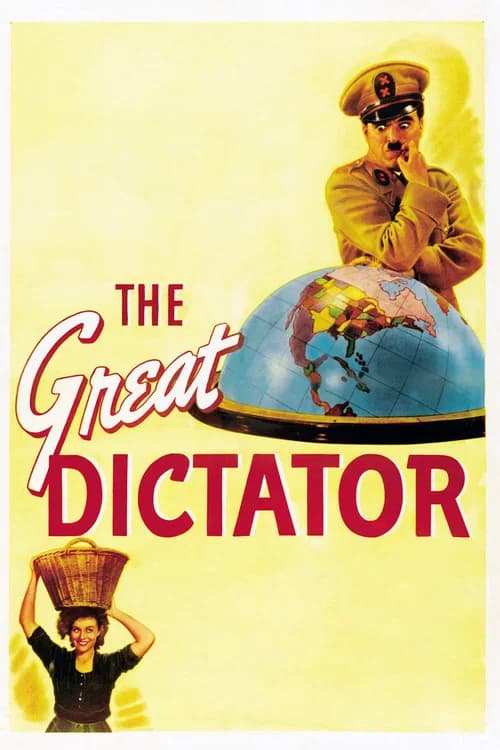
Charlie Chaplin directed Modern Times, released in 1936. CineCode also covers The Great Dictator (1940).
What films are similar to Modern Times?
Films that share techniques with Modern Times include WALL-E (2008), Sleeper (1973), The Host (2006), Tangerine (2015).