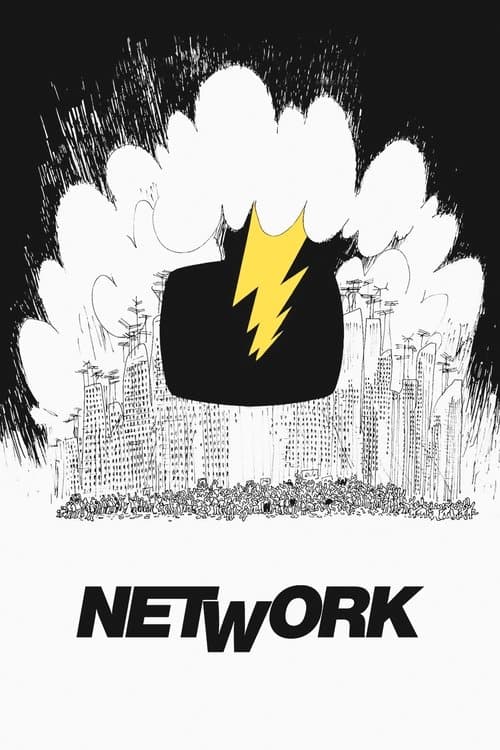
Network
Sidney Lumet · 1976
A television news anchor has a breakdown on air, announces he will kill himself on next week's broadcast, and becomes a ratings sensation. The network's executives debate whether to protect him or exploit him — and the answer is not difficult. A satire so accurate that it reads as prophecy.
Techniques Used
4 techniques identified in this film
Vigilante Hero Misreading
NarrativeStructuring a narrative so that a character who behaves destructively or delusionally is framed as a heroic rebel — then revealing the framing itself as the film's critique.
How this film uses it
Howard Beale's 'mad prophet' speeches are genuinely electrifying and his anger genuinely righteous. The audience is meant to feel the appeal. But the film shows simultaneously that the network is commodifying his breakdown for profit. The hero and the product are the same person — which is Chayefsky's argument about television's relationship to authenticity.
Escalating Moral Stakes
NarrativeA narrative in which the ethical compromises demanded of characters grow progressively more extreme, each concession enabling the next and making return impossible.
How this film uses it
The network's decisions escalate: keeping Beale on air, building a show around his madness, negotiating with terrorists for programming, and finally commissioning his murder when ratings fall. Each step follows logically from the one before. Lumet and Chayefsky show how institutional logic, unchecked, produces outcomes no individual at any single step would consciously choose.
Bureaucratic Dialogue as Violence
SoundCorporate or institutional language deployed as a weapon — the specialized vocabulary of management and commerce used to describe human beings as resources or problems to be optimized.
How this film uses it
Diana Christensen speaks about human suffering entirely in the language of programming: demographics, shares, time slots, brand identity. Her dialogue is the film's most unsettling element because it is recognizable — this is actual television industry language applied to a man's psychological breakdown and eventual murder.
Deadpan Absurdism
NarrativeA tonal register in which grotesque or impossible events are presented with complete institutional seriousness, the satire arising from the gap between the horror of the content and the banality of its presentation.
How this film uses it
The network negotiates broadcast rights with a terrorist organization. A revolutionary is fired for poor ratings. An anchor's assassination is produced as a programming event. None of this is played for shock — it unfolds in boardrooms and memos with the matter-of-fact register of corporate decision-making. The deadpan is the critique.
You Might Also Like
Films that share at least one technique with Network

A delusional beekeeper convinced that a pharmaceutical CEO is an alien infiltrator kidnaps her and imprisons her in his basement to extract a confession. A darkly absurdist hostage thriller in which paranoia, corporate power, and human self-deception become indistinguishable.
Bugonia
Yorgos Lanthimos · 2025

Batman faces the Joker, a chaos agent who makes no demands and cannot be bargained with, while Harvey Dent's crusade against organized crime ends in catastrophic personal failure. A superhero film that functions as a post-9/11 interrogation of the cost of moral compromise.
The Dark Knight
Christopher Nolan · 2008
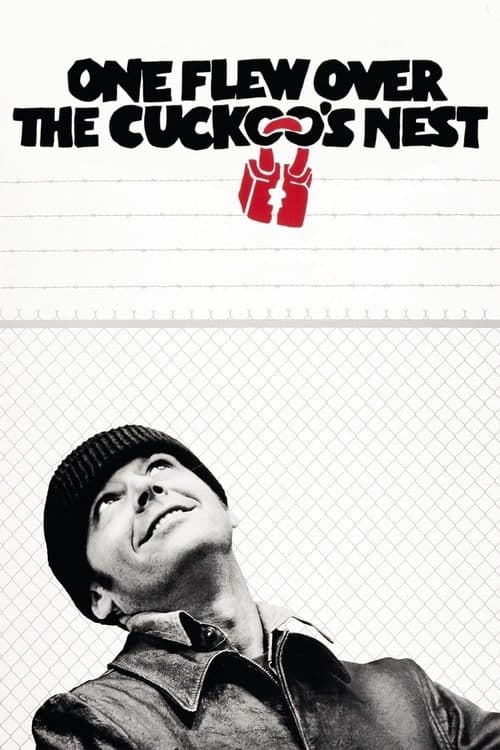
A charismatic criminal feigns mental illness to escape a prison work sentence, only to find himself in a psychiatric ward where a nurse maintains total control through bureaucratic terror. A film about institutional power, the suppression of individual will, and the price of rebellion.
One Flew Over the Cuckoo's Nest
Milos Forman · 1975