Thriller · Mystery

The 39 Steps

Alfred Hitchcock, 1935

A woman is murdered in Richard Hannay's London flat after telling him about a spy ring, and now the police think he did it. He runs to Scotland to clear his name and ends up handcuffed to a stranger who doesn't believe a word he says. It's the template for the innocent man on the run. Watch how fast Hitchcock gets from one scene to the next.

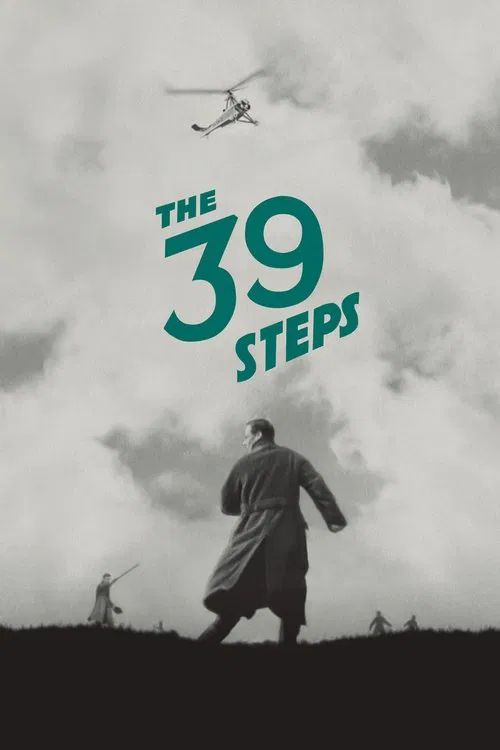
The 39 Steps (1935) poster

At a glance

The 39 Steps is a 1935 thriller and mystery film directed by Alfred Hitchcock. This breakdown covers 5 techniques (1 editing, 3 narrative and 1 psychology), each with the scene where you can see it. If you like how it is made, Get Out uses several of the same techniques.

Editing

Creative Scene Transition

Moving between scenes with an inventive device, such as a blackout, seasonal change, sound bridge or imaginative link. The transition itself carries meaning or mood.

How this film uses it

Hitchcock lets the maid discover the murder victim. As she opens her mouth to scream, the scream turns into the whistle of a train. The cut throws you straight onto the Flying Scotsman with Hannay.

Where to see it

The maid's scream. The maid finds the body in Hannay's flat and screams, and the sound becomes the train whistle as Hannay heads north.
Narrative

The MacGuffin

Giving the characters an object, secret or goal that everyone chases. What it actually is barely matters, because its job is to set the characters against each other.

How this film uses it

Everyone is chasing the plans for a silent aircraft engine. You never see the plans or learn how the engine works. It doesn't matter, since the secret only exists to keep Hannay running.

Where to see it

Mr. Memory's last words. Shot on stage, Mr. Memory recites the engine design as he dies, and that's all you ever learn about it.

Psychology

The Gaze

Paying attention to who is looking, who is being looked at and whose eyes the camera borrows. Looking becomes a form of power in the story.

How this film uses it

At the crofter's house, the drama plays out almost entirely through looks. Hannay sees his own face in the newspaper and the young wife sees him reading it. Her jealous husband then catches them looking at each other. Each glance means something different to each person.

Where to see it

Dinner at the crofter's cottage. The suspicious crofter watches his wife and Hannay trade glances over the newspaper at the table.

Narrative

Circular Structure

Ending the film where it started, or with a scene that echoes the opening. The repeat shows what has changed, or suggests the cycle will keep going.

How this film uses it

The film begins and ends at a music hall show with Mr. Memory. In the first scene, he seems like a harmless novelty act. By the last, you know his memory holds the whole secret, so the same act now plays as the climax.

Where to see it

The London Palladium. Hannay shouts, What are the 39 Steps?, and Mr. Memory can't stop himself from answering.

Narrative

Chekhov's Gun

Showing an object or detail early on that becomes important later. The idea is that nothing gets screen time unless the story is going to use it.

How this film uses it

When Hannay flees the crofter's house, the wife gives him her husband's coat. It seems like a small kindness. Later, a hymn book in its pocket stops the bullet that should have killed him.

Where to see it

Professor Jordan's shot. Jordan shoots Hannay and leaves him for dead, and the hymn book in the crofter's coat catches the bullet.

Questions

The 39 Steps: quick answers

What filmmaking techniques does The 39 Steps use?
CineCode breaks down 5 techniques in The 39 Steps (1935): Creative Scene Transition, The MacGuffin, The Gaze, Circular Structure and Chekhov's Gun.
Who directed The 39 Steps?
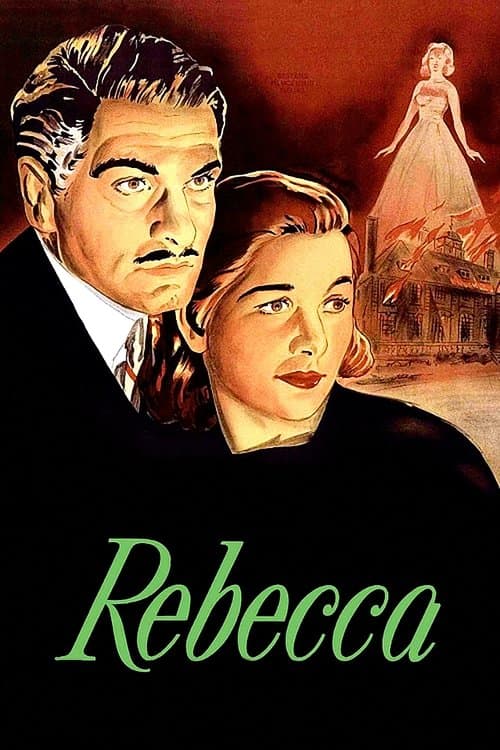
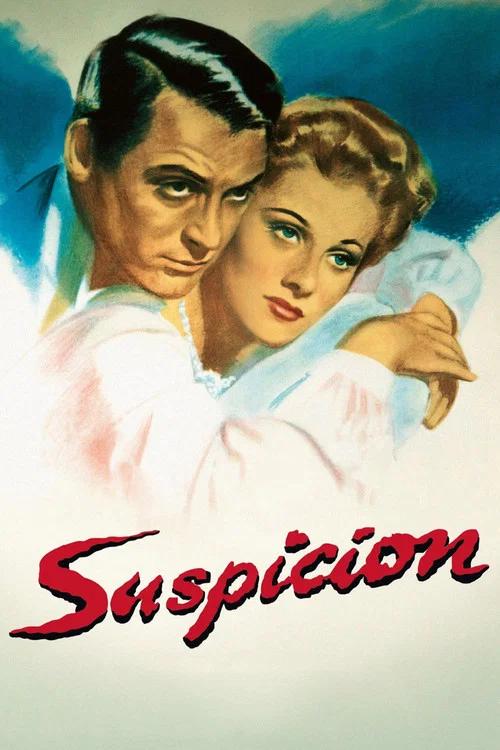
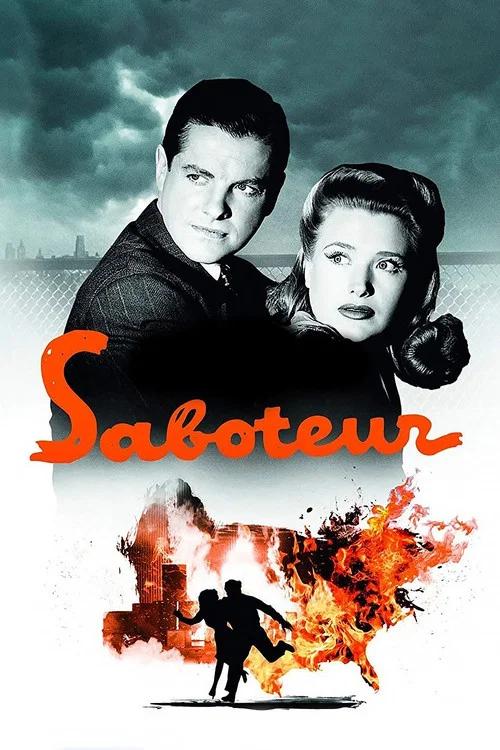
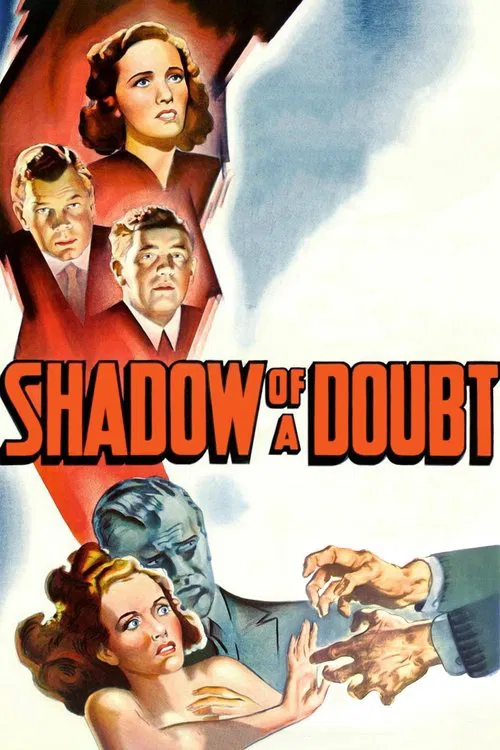
Alfred Hitchcock directed The 39 Steps, released in 1935. CineCode also covers The Lady Vanishes (1938), Rebecca (1940), Suspicion (1941), Saboteur (1942), Shadow of a Doubt (1943), Lifeboat (1944).
What films are similar to The 39 Steps?
Films that share techniques with The 39 Steps include Get Out (2017), Portrait of a Lady on Fire (2019), Harry Potter and the Prisoner of Azkaban (2004), The Lady Vanishes (1938).