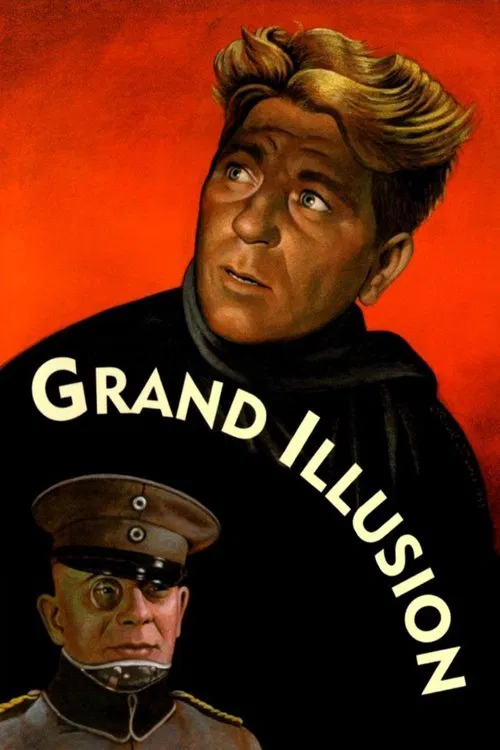
French prisoners of war are held in a German camp during World War I. They find that sharing a social class ties men together more tightly than sharing a country, and that honor between enemies breaks very easily. Jean Renoir's anti-war masterpiece says class divides Europe more deeply than nations do.
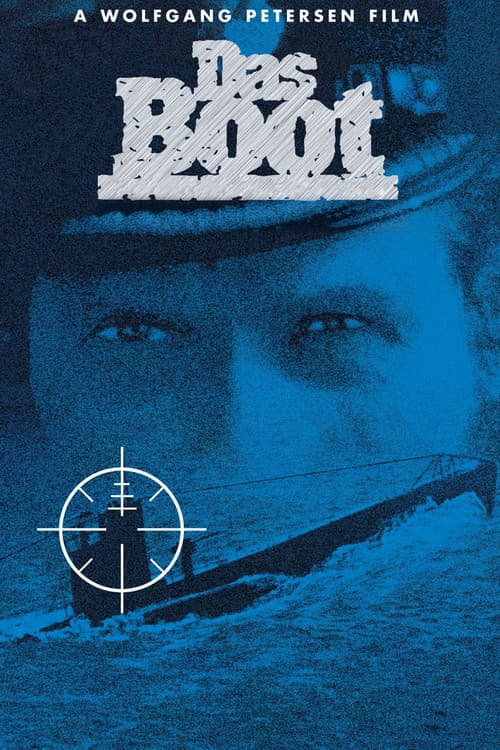
Grand Illusion is a 1937 drama and war film directed by Jean Renoir. This breakdown covers 5 techniques (3 narrative, 1 cinematography and 1 sound), each with the scene where you can see it. If you like how it is made, Das Boot uses several of the same techniques.
Building the story around an institution's code of honor, often a military one, and showing the gap between what it claims and what it does. The code ends up protecting power.
How this film uses it
The 'rules' of honorable war are a story that the officers of every nation agree to believe in. Working-class soldiers are the ones who pay for that story with their lives.
Where to see it
Von Rauffenstein and Boeldieu's ritual of mutual respect. The 2 aristocrats keep up their polite manners even as Boeldieu sacrifices himself.
Shooting almost the whole film in 1 confined place. Set design and camera movement keep it visually interesting, and the space itself takes on meaning as the story goes on.
How this film uses it
The prisoner-of-war camp is a complete world of its own. Renoir makes it feel as socially busy as a city, with its own ranks, its own trade and its own secret politics.
Where to see it
The prisoners' barracks. One room holds men of different classes and countries, each with his own personal ties to the others.
Spreading good and bad qualities across 3 or more characters, where most stories use 2 sides. Nobody is purely the hero or the villain, so you can't easily pick who to root for.
How this film uses it
Maréchal is working-class French, Boeldieu is aristocratic French and von Rauffenstein is aristocratic German. Among these 3, belonging to the same class counts for more than being enemies. As a matter of fact, it upsets every assumption that your country comes first.
Where to see it
The farewell between von Rauffenstein and the dying Boeldieu. It feels more sincere than any scene between the French officers.
Removing music, background sound or dialogue from a moment where most films would fill it. The quiet forces you to sit with what is on screen.
How this film uses it
The most emotional moments between Boeldieu and von Rauffenstein play out in silence or close to it. The 2 aristocrats can't say out loud that their world is dying, so the quiet says it for them.
Where to see it
Von Rauffenstein alone with Boeldieu's body. He cuts a geranium, and it is the quietest and most devastating moment in the film.
Raising the ethical price of winning with each part of the story. Every compromise the characters make leads to a worse one, until they can't go back.
How this film uses it
Each escape attempt costs more than the last. The price starts as an inconvenience and ends as a sacrifice. Boeldieu's death then makes it clear that the 'game' of gentlemanly war has always killed real people.
Where to see it
Boeldieu's decision to create a distraction for his comrades. He does it knowing von Rauffenstein will be forced to shoot him.
Questions
Grand Illusion: quick answers
What filmmaking techniques does Grand Illusion use?
CineCode breaks down 5 techniques in Grand Illusion (1937): Institutional Honor Critique, Single-Location Cinematography, Triangulated Moral Ambiguity, Strategic Silence and Escalating Moral Stakes.
Who directed Grand Illusion?
Jean Renoir directed Grand Illusion, released in 1937. CineCode also covers The Rules of the Game (1939).
What films are similar to Grand Illusion?
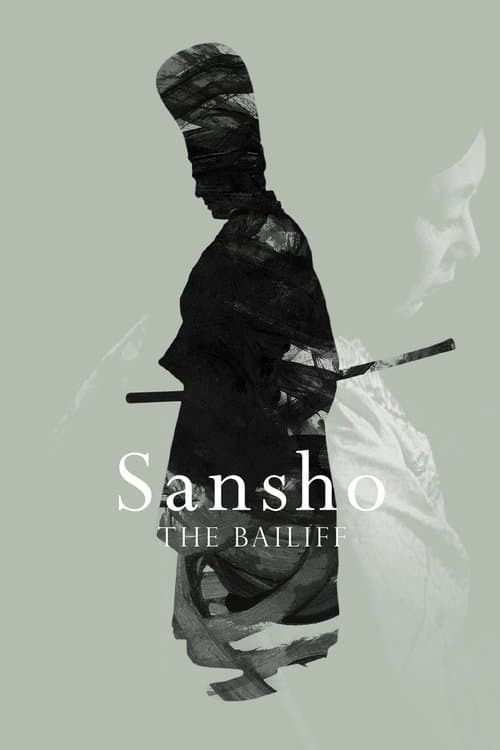
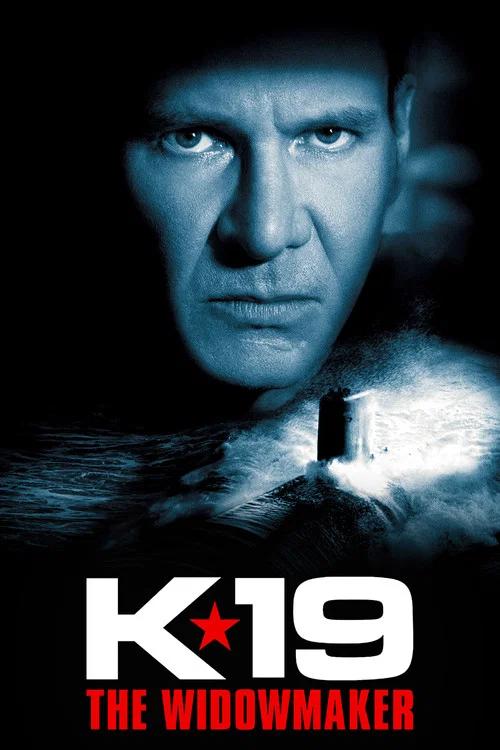
Films that share techniques with Grand Illusion include Das Boot (1981), Sansho the Bailiff (1954), K-19: The Widowmaker (2002), Project Hail Mary (2026).