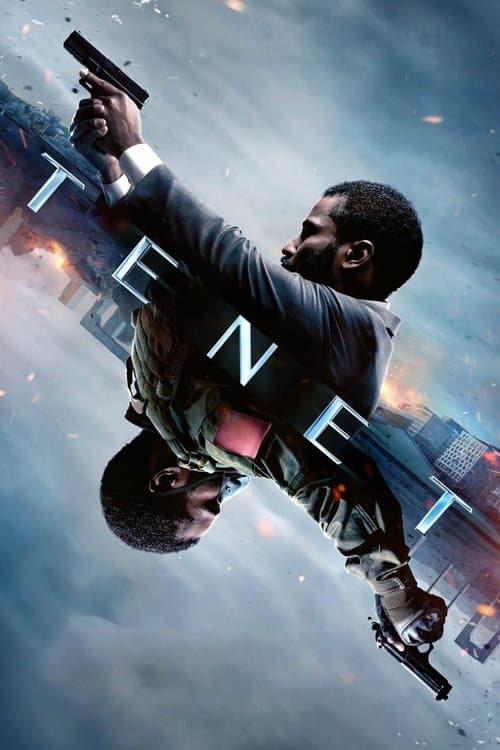
Tenet
Christopher Nolan · 2020
A CIA operative known only as the Protagonist discovers a technique for reversing the entropy of objects — and must prevent a future arms dealer from using it to run time backward and annihilate the present. Christopher Nolan's film is a James Bond plot run through a physics thought experiment.
Techniques Used
4 techniques identified in this film
Reverse Scene Sequence
EditingThe literal reversal of filmed action — events playing backward in-frame — used to create action sequences or reveal narrative information already seen from a new temporal direction.
How this film uses it
Nolan films sequences both forward and backward and then intercuts them within single action scenes — the choreography of reverse-entropy combat requiring stunt performers to learn movements that will appear inverted on screen.
Non-Linear Narrative
NarrativeA story structure that disrupts chronological order to create thematic rather than causal connections between scenes.
How this film uses it
The film's temporal mechanics make non-linearity literal rather than structural — characters experiencing events from opposite temporal directions, scenes that recur from different entry points, causality running in both directions simultaneously.
IMAX Cinematography
CinematographyThe use of IMAX film cameras to produce images of overwhelming scale and resolution that transform the theatrical experience.
How this film uses it
Hoyte van Hoytema shoots sequences on IMAX film to maximize the scale of the film's most ambitious set pieces — the format giving the time-inversion action sequences a visual enormity that reinforces their temporal ambition.
Practical Destruction
CinematographyThe use of full-scale physical destruction over digital compositing to achieve spectacular effects that carry real-world weight.
How this film uses it
Nolan crashed a real Boeing 747 into a building for the Oslo airport sequence — the practical destruction giving the scene a physical reality no digital composite could replicate, the scale of the actual plane visible in every frame.
You Might Also Like
Films that share at least one technique with Tenet
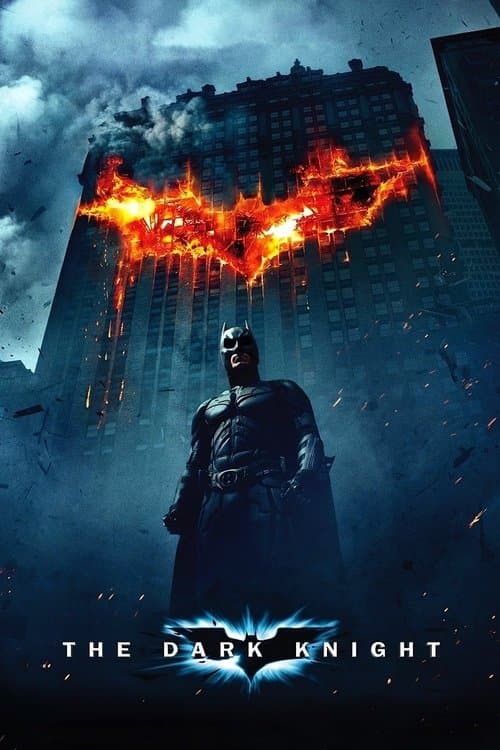
Batman faces the Joker, a chaos agent who makes no demands and cannot be bargained with, while Harvey Dent's crusade against organized crime ends in catastrophic personal failure. A superhero film that functions as a post-9/11 interrogation of the cost of moral compromise.
The Dark Knight
Christopher Nolan · 2008
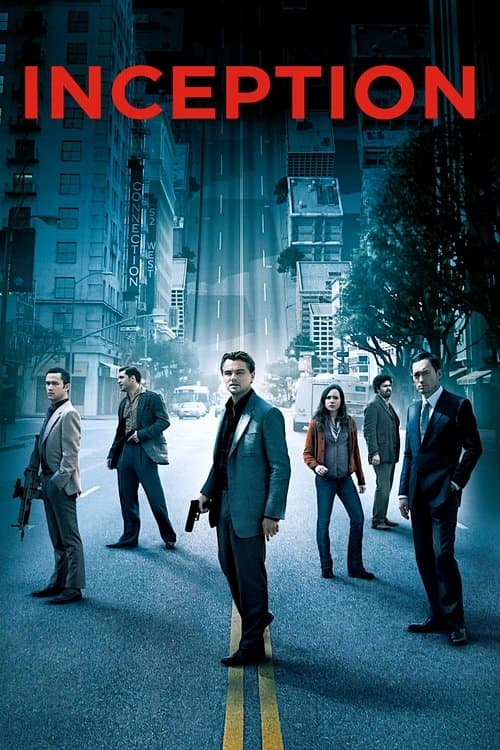
A skilled thief who enters people's dreams is offered a chance to have his criminal record erased if he can implant an idea into a CEO's mind. A labyrinthine heist film about grief, reality, and the architecture of the unconscious.
Inception
Christopher Nolan · 2010
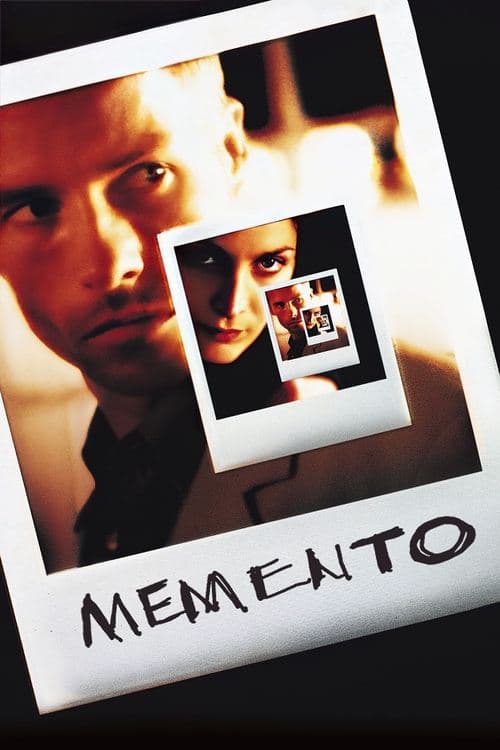
A man with no short-term memory investigates his wife's murder using tattoos and Polaroids to navigate a world he cannot retain — the film runs its scenes in reverse order, placing the audience in his condition. A puzzle film in which the mechanics of storytelling are the story's subject.
Memento
Christopher Nolan · 2000