Mystery · Drama · Horror

Inland Empire

David Lynch, 2006

Hollywood actress Nikki Grace wins a role in a romantic drama that turns out to be a remake of a cursed, unfinished German film based on a Polish folktale. As she plays her part, she starts to lose track of who she is. It is Lynch's first feature shot entirely on digital video, and it runs close to 3 hours.

Inland Empire (2006) poster

At a glance

Inland Empire is a 2006 mystery, drama and horror film directed by David Lynch. This breakdown covers 4 techniques (2 narrative, 1 cinematography and 1 psychology), each with the scene where you can see it. If you like how it is made, Black Swan uses several of the same techniques.

Narrative

Dream Logic Structure

Arranging scenes the way a dream moves, where one image leads to the next by feeling or association. Events don't follow normal cause and effect.

How this film uses it

Lynch wrote the film one scene at a time and gave the actors new pages each day, and it plays like a dream that keeps changing rooms. A door marked 'Axxon N.' links the film set to other places and times. You stop asking what happens next and start asking what the images mean.

Where to see it

The Axxon N. door. Nikki passes through it, and the film jumps into other times and places.

Narrative

Double Narrative Layer

Running 2 layers at once: the story and a commentary on how that story is being told, such as its own broadcast. The layers comment on each other and make you complicit in the watching.

How this film uses it

The film runs 2 stories at once: the real life of Nikki and the movie she is shooting, On High in Blue Tomorrows. That movie is itself a remake of an unfinished German film called 47. Each layer bleeds into the next, so you can't be sure which one you are watching.

Where to see it

The shoot. Nikki starts an affair with her co-star Devon, and her scenes with Sue start to sound like her own life.

Cinematography

Handheld Cinema Vérité

Shooting with a handheld camera so the frame shakes and moves with the action. This documentary-style look, called cinema vérité, puts you uncomfortably close to the character.

How this film uses it

Lynch shot the film himself on a handheld Sony camcorder in standard definition. The picture is grainy, close and unsteady, a long way from polished Hollywood. The nightmare feels like footage you were never meant to see.

Where to see it

The Polish segments. They were shot in Łódź, and the low-grade video puts you right next to the characters.

Psychology

Psychological Doubling

Pairing the main character with a second character who mirrors them. The double shows what the hero wants, fears or secretly is.

How this film uses it

Nikki and her character Sue slip into each other as the film goes on. In the climax, the Phantom dies with a face that looks like her own. The doubles are fragments of one woman's fear and desire.

Where to see it

The climax. Nikki shoots the Phantom, and he dies with a face resembling hers. She then enters Room 47 and embraces the Lost Girl.

Questions

Inland Empire: quick answers

What filmmaking techniques does Inland Empire use?
CineCode breaks down 4 techniques in Inland Empire (2006): Dream Logic Structure, Double Narrative Layer, Handheld Cinema Vérité and Psychological Doubling.
Who directed Inland Empire?
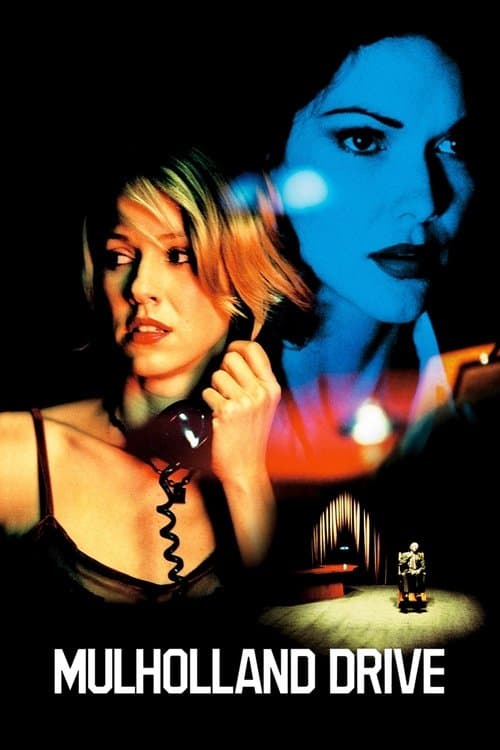
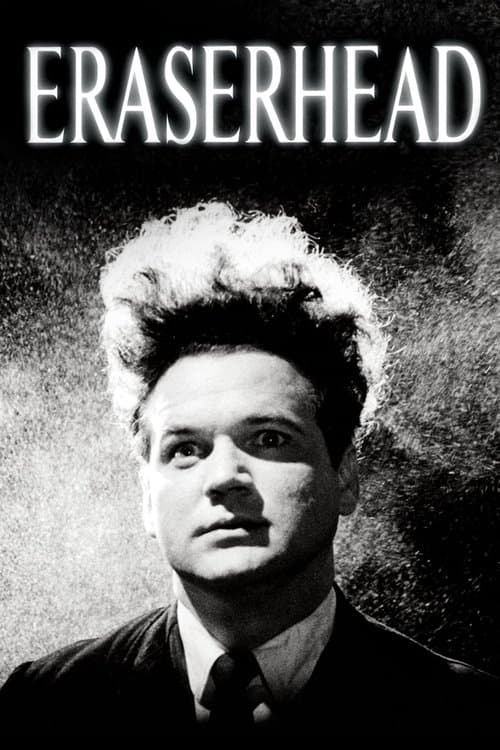
David Lynch directed Inland Empire, released in 2006. CineCode also covers Eraserhead (1977), The Elephant Man (1980), Dune (1984), Blue Velvet (1986), Wild at Heart (1990), Twin Peaks: Fire Walk with Me (1992).
What films are similar to Inland Empire?
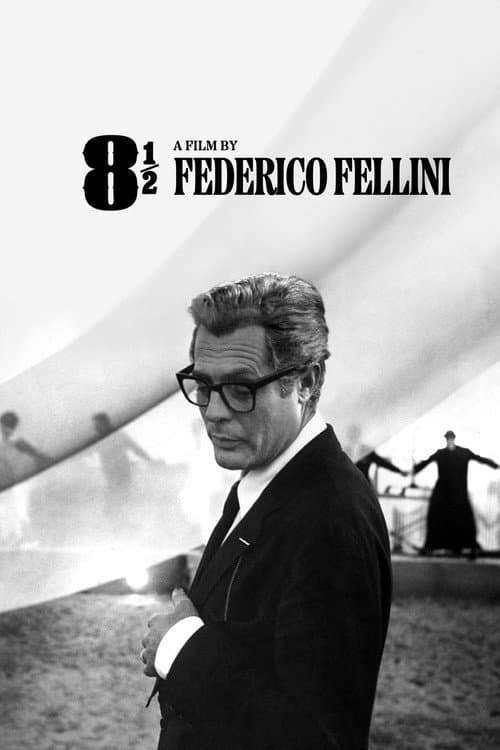
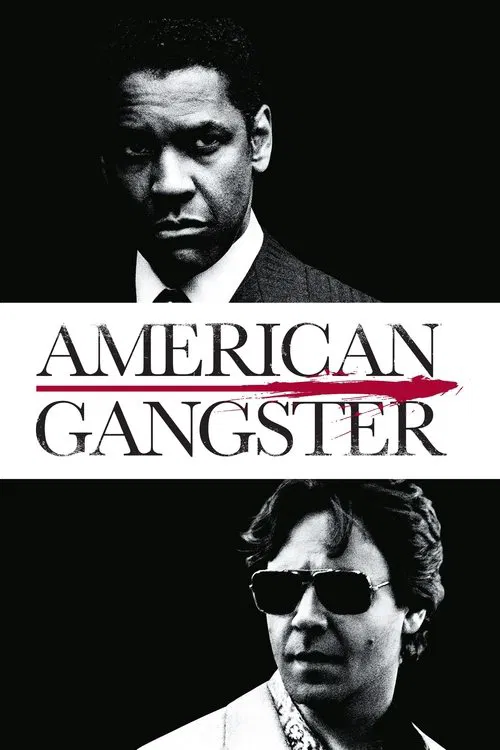
Films that share techniques with Inland Empire include Black Swan (2010), 8½ (1963), American Gangster (2007), Venus in Fur (2013).