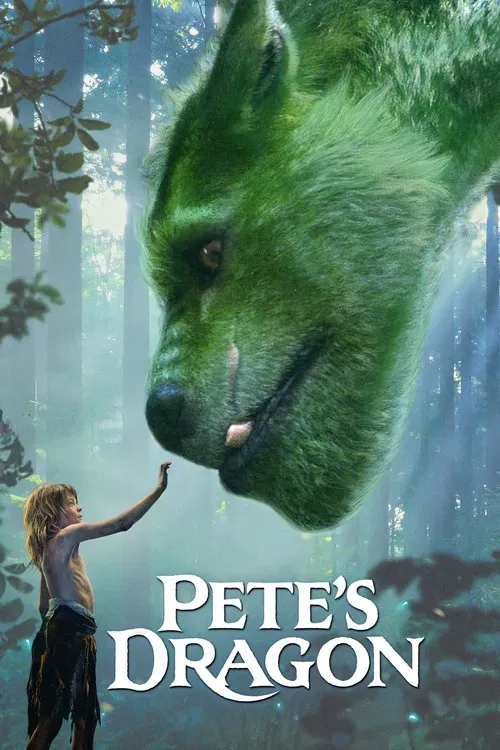
After a car crash kills his parents, 5-year-old Pete is raised in the forest by a huge green dragon named Elliot. Six years later, loggers and a park ranger find him. It is a gentle, small-scale Disney remake, and worth watching for how Lowery gives a CGI creature the feel of a pet and a friend.
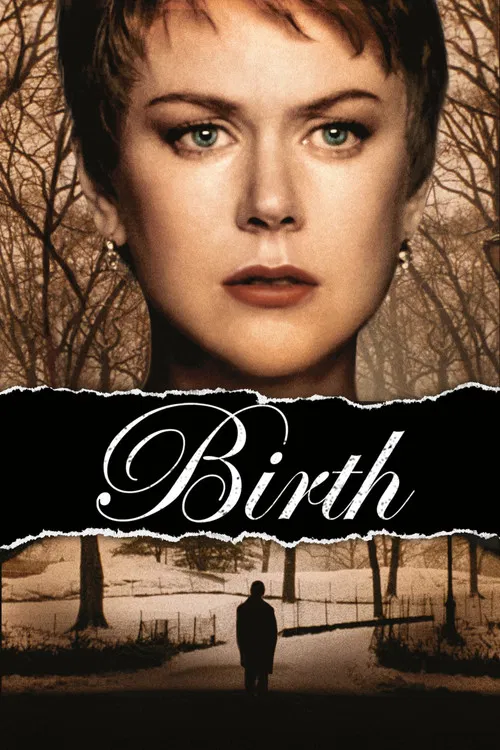
Pete's Dragon is a 2016 fantasy, adventure and family film directed by David Lowery. This breakdown covers 4 techniques (2 narrative, 1 cinematography and 1 psychology), each with the scene where you can see it. If you like how it is made, Birth uses several of the same techniques.
Treating nature as alive and aware, with its own will, hierarchy and sacred status. Animals and spirits respond to people, which argues that the natural world has value of its own.
How this film uses it
The forest feels like a living place, and Elliot belongs to it the way a bear or a wolf would. The film treats the trees as something precious, set against the lumber crew cutting them down. You end up on the side of the woods before the dragon ever shows his face.
Where to see it
Pete and the lumberjacks: Pete spots a lumberjack crew felling trees near his home. Later Elliot knocks over a tree near the lumber camp while searching for Pete.
Shaping the story with fairy tale elements such as quests, enchanted figures and moral tests, or letting them break into a realistic world.
How this film uses it
Pete is a wild child raised by a creature everyone thinks is a story. An old storyteller, Conrad, says he saw the dragon as a young man, and tells his daughter to believe the boy. The movie plays like a bedtime tale set in a realistic 1980s town.
Where to see it
Grace and Conrad: Pete gives Grace a drawing of Elliot and she shows her father Conrad, who says he found the same dragon when he was young. He tells her to trust Pete.
Building a digital creature with texture, weight and animal habits so it feels like a real living thing. You treat it as a friend or a pet, not as a special effect.
How this film uses it
Elliot is covered in green fur and has yellow eyes, and he moves and reacts like a giant, loyal animal. When he stumbles around looking for Pete, you read his worry through his body before any words are needed.
Where to see it
Elliot searches for Pete: after Pete is knocked unconscious and taken away, Elliot stumbles around looking for him and knocks over a tree near the lumber camp.
Following a character who carries a past love or lost chance and has to release it. Acceptance, not victory, becomes the emotional resolution.
How this film uses it
Pete and Elliot love each other, but the film admits they cannot keep each other. Elliot decides that staying close will keep Pete in danger. You feel the sadness of a goodbye that is the right choice.
Where to see it
Farewell: Elliot points to Pete's book to push him to go back to Grace and Jack. After a tearful hug, Elliot goes to the mountains and Pete returns to live with his new family.
Questions
Pete's Dragon: quick answers
What filmmaking techniques does Pete's Dragon use?
CineCode breaks down 4 techniques in Pete's Dragon (2016): Ecological Animism, Fairy Tale Structure, Tactile Creature Design and Regret and Letting Go.
Who directed Pete's Dragon?
David Lowery directed Pete's Dragon, released in 2016. CineCode also covers Ain't Them Bodies Saints (2013), A Ghost Story (2017), The Old Man & the Gun (2018), The Green Knight (2021), Peter Pan & Wendy (2023).
What films are similar to Pete's Dragon?
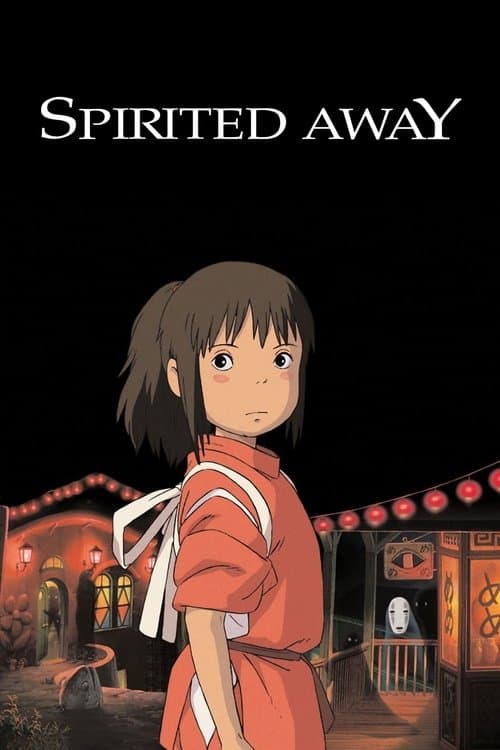
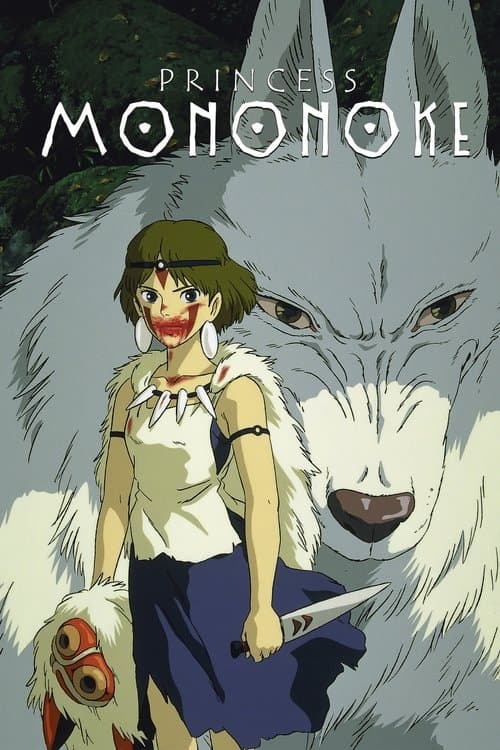
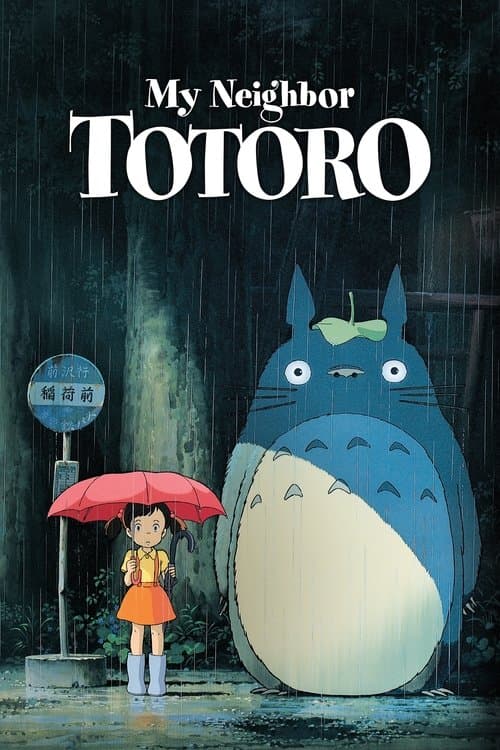
Films that share techniques with Pete's Dragon include Birth (2004), Spirited Away (2001), Princess Mononoke (1997), My Neighbor Totoro (1988).