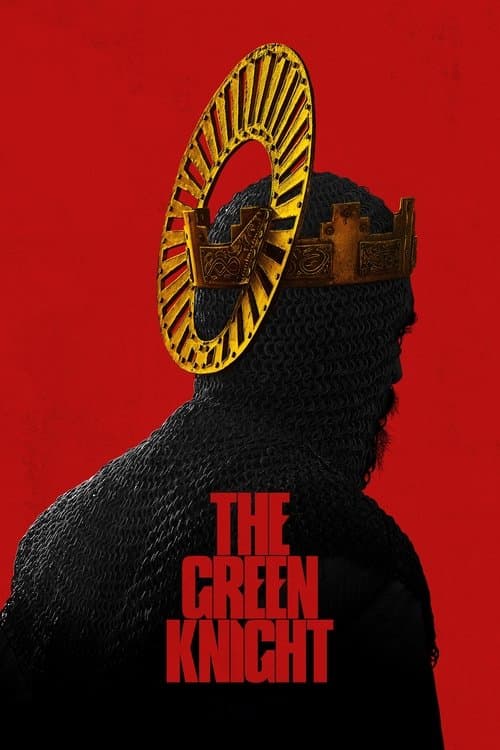
The Green Knight
David Lowery · 2021
Sir Gawain, nephew to King Arthur and as yet unchivalrous, accepts a challenge from a mysterious Green Knight — strike him once and face the same blow in a year — and sets out on a journey toward a destiny he is determined to flee. David Lowery's adaptation strips Arthurian legend into a meditation on honor, cowardice, and what it means to become worthy.
Techniques Used
4 techniques identified in this film
Medieval Modern Allegory
NarrativeThe use of a medieval or historical setting to explore contemporary psychological or philosophical concerns, the historical distance making the inner conflict legible.
How this film uses it
Lowery's Arthurian England is not a historical reconstruction but a dreamscape — the quest structured as a confrontation with mortality and masculinity that could only be told through the ritual grammar of chivalric legend.
Symbolic Object
NarrativeAn object in the film that accumulates meaning beyond its literal function, becoming a vessel for the work's thematic concerns.
How this film uses it
The green sash given to Gawain as a talisman of protection becomes the film's central moral object — his attachment to it the measure of his cowardice, and its removal the measure of his readiness.
Ceremonial Pacing
NarrativeA filmmaking tempo that treats time as something to be experienced fully, using duration as a form of meaning.
How this film uses it
Lowery holds shots past the point of narrative necessity, dwelling in forests, ruins, and faces with a patience that forces the audience into the same contemplative state the quest is supposed to produce in Gawain.
Color Symbolism
CinematographyThe deliberate use of specific colors to carry thematic meaning beyond their literal presence in the frame.
How this film uses it
Andrew Droz Palermo's photography uses green as a color of both life and death, honor and corruption — the Green Knight himself both threat and teacher, the color saturating every frame of the quest's natural landscape.
You Might Also Like
Films that share at least one technique with The Green Knight
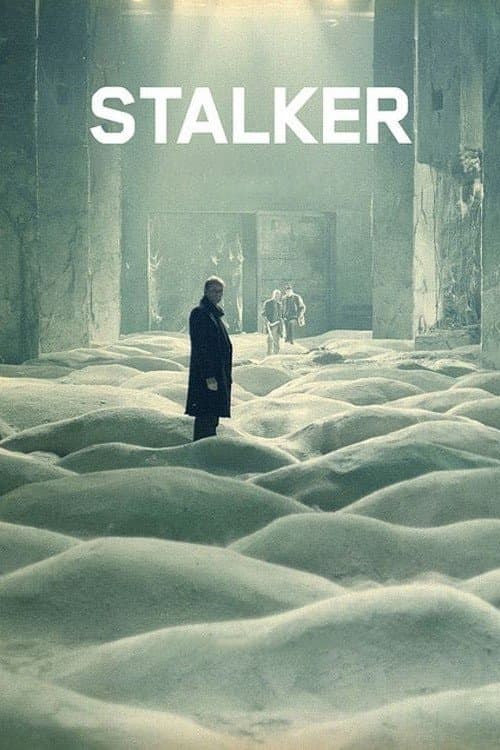
A guide called the Stalker leads a Writer and a Professor through the Zone — a forbidden, seemingly supernatural landscape containing a Room that grants a person's deepest wish. One of cinema's most demanding and rewarding films: a philosophical journey that refuses every destination it promises.
Stalker
Andrei Tarkovsky · 1979
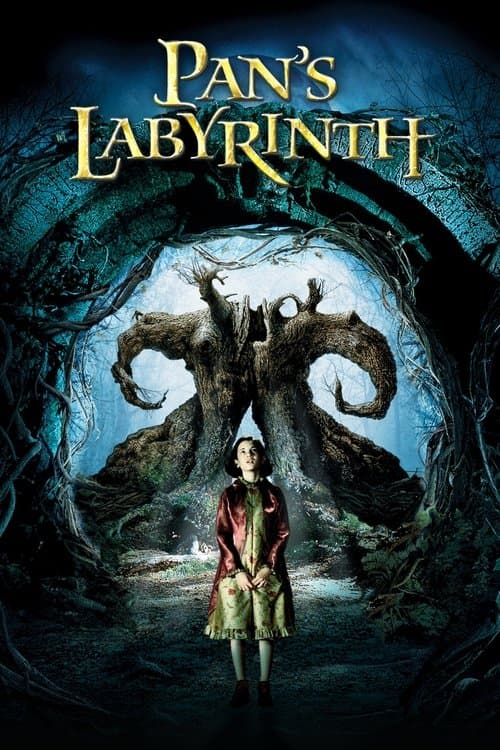
In postwar fascist Spain, a young girl named Ofelia retreats into an elaborate underground fantasy world while her cruel stepfather commands a military campaign against Republican insurgents. Del Toro's fairy tale is told with absolute moral seriousness — the fantasy is not escapism but the only form resistance can take.
Pan's Labyrinth
Guillermo del Toro · 2006
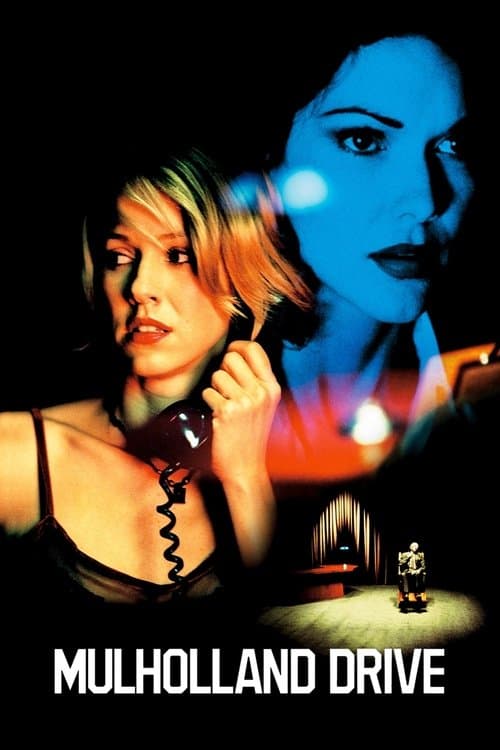
An aspiring actress and an amnesiac woman forge a mysterious bond in Hollywood, before the film fractures into a darker, possibly truer version of events. A dream-logic exploration of desire, failure, and self-deception.
Mulholland Drive
David Lynch · 2001