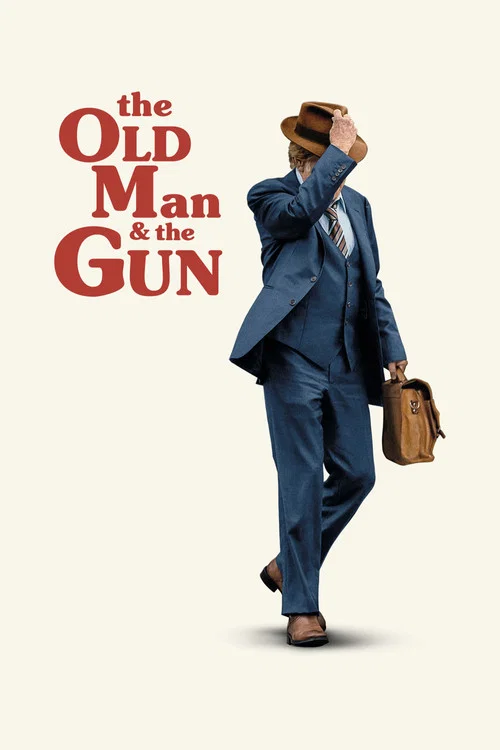
In 1981 Forrest Tucker, a polite 74-year-old career criminal who escaped San Quentin two years earlier, goes on a spree of bank robberies. A Texas detective chases him while Forrest falls for a woman named Jewel. Look at how the grainy film texture and an actor's real-life charm do the storytelling.
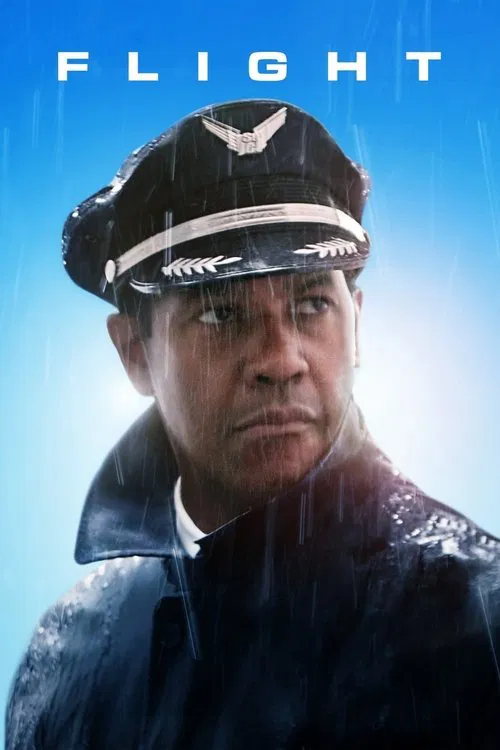
The Old Man & the Gun is a 2018 crime, drama and biography film directed by David Lowery. This breakdown covers 4 techniques (2 narrative, 1 cinematography and 1 psychology), each with the scene where you can see it. If you like how it is made, Flight uses several of the same techniques.
Introducing a character by showing them in action or at work before any explaining dialogue. You learn their skill, fears, humor and values by watching what they do.
How this film uses it
The film introduces Forrest by showing him on the run after a robbery. He passes a woman with car trouble and pretends to help her so police driving by will not look twice. In 2 minutes you know he is charming, quick and cannot stop.
Where to see it
Opening getaway: evading police after a bank robbery, Forrest stops by Jewel's stalled car and pretends to help. The police drive past without noticing him.
Letting the performers' real age and screen history carry the story, so time, fading status and the weight of earlier roles become part of the drama.
How this film uses it
Robert Redford was in his 80s when he played Forrest, and the film uses that. A man with a long screen career as a handsome rogue now plays a charming old crook with nothing to prove. His age gives the story its tenderness and its sense of time running out.
Where to see it
Late heists: Forrest keeps doing bank jobs, often without drawing his gun from under his coat. Witnesses describe him as charming and gentlemanly.
Recreating the look of an earlier era's film or television using period cameras, film stock, lighting and contrast. The images feel like real records from that time or a tribute to it.
How this film uses it
Lowery shot on Super 16 mm film, and the grain and warm colors make it look like a movie from the early 1980s. Texas diners and small-town banks feel lived in. The texture suits a story about a man from another era.
Where to see it
Diner lunch: after Forrest helps Jewel, she buys him lunch at a diner. The film was shot on location in Ohio and Texas. Forrest and Jewel's lunch at a diner shows the faded, grainy look.
Showing a character's fixation or addiction through repeated habits, objects and colors. The compulsion drives the behavior and defines who they are more than any speech could.
How this film uses it
Forrest cannot stop robbing banks or escaping prison, even when he has a good life with Jewel. His list of escapes becomes the proof of who he is. You see that the thrill, more than the money, keeps him going.
Where to see it
Prison visit and last robbery: Forrest gives Jewel a list of 16 escapes with a blank number 17. After release he grows restless and walks into a bank across the street.
Questions
The Old Man & the Gun: quick answers
What filmmaking techniques does The Old Man & the Gun use?
CineCode breaks down 4 techniques in The Old Man & the Gun (2018): Character Through Action Introduction, Aging Star as Subject, Period Film Look Imitation and Obsession and Compulsion Portrait.
Who directed The Old Man & the Gun?
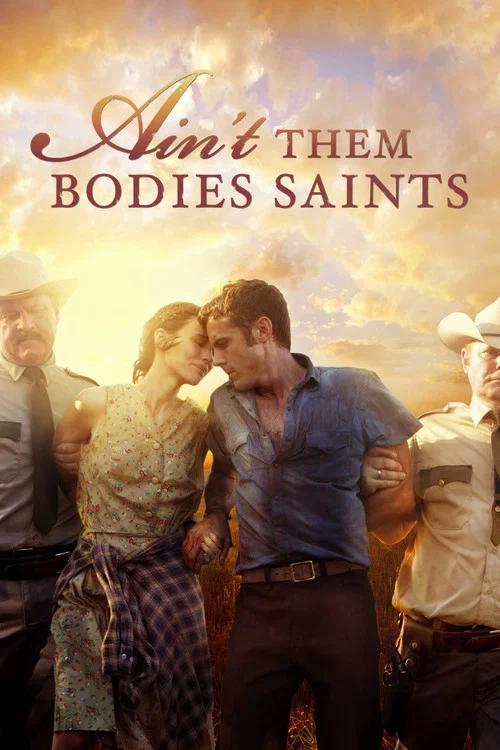
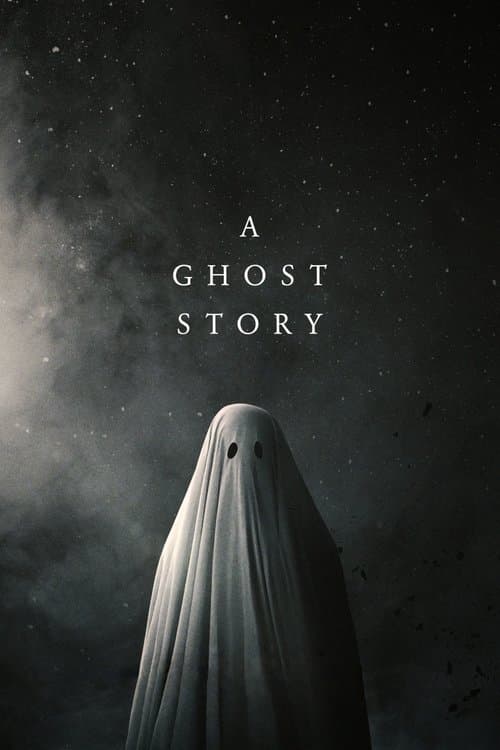
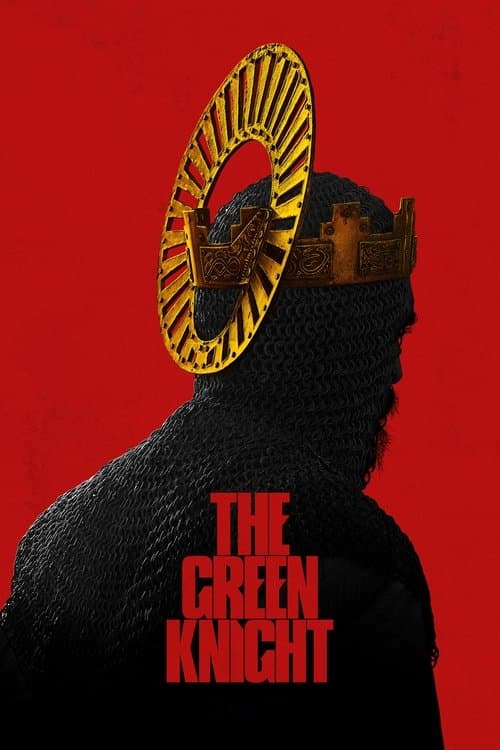
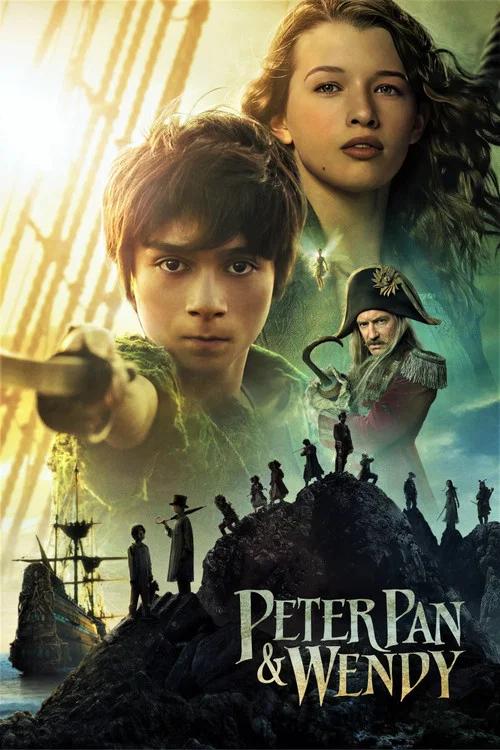
David Lowery directed The Old Man & the Gun, released in 2018. CineCode also covers Ain't Them Bodies Saints (2013), Pete's Dragon (2016), A Ghost Story (2017), The Green Knight (2021), Peter Pan & Wendy (2023).
What films are similar to The Old Man & the Gun?
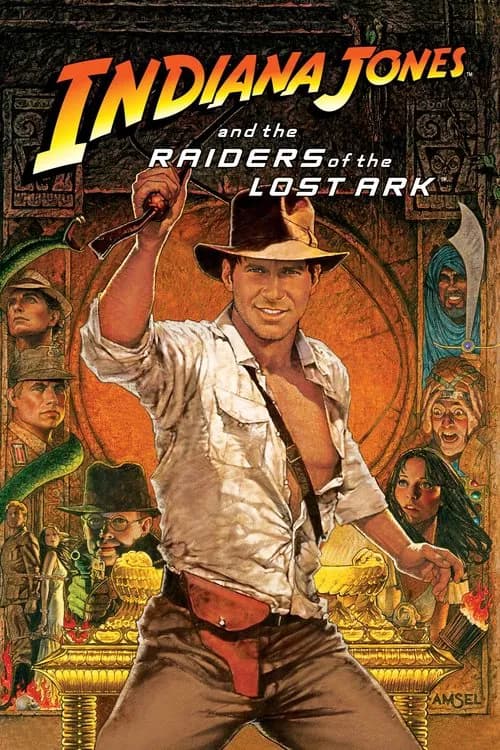
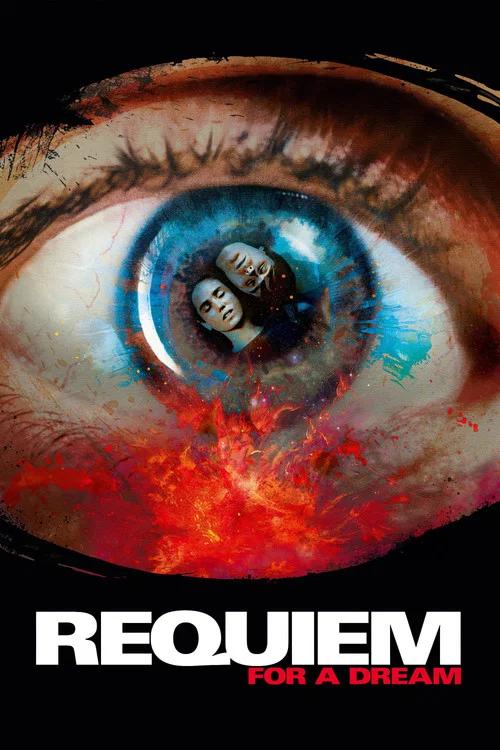
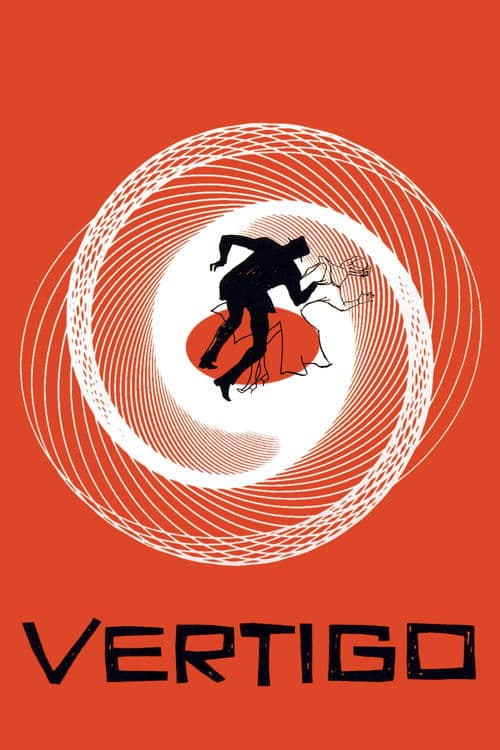
Films that share techniques with The Old Man & the Gun include Flight (2012), Raiders of the Lost Ark (1981), Requiem for a Dream (2000), Vertigo (1958).