Crime · Drama · Western

Ain't Them Bodies Saints

David Lowery, 2013

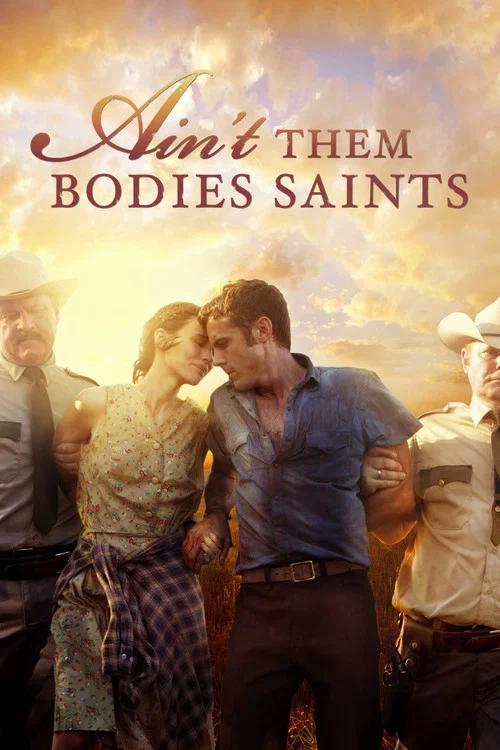
After a shootout in Texas, Bob goes to prison for a crime his pregnant wife Ruth helped commit. Years later he escapes and heads home to her and the daughter he has never met. It is worth watching for how golden, hazy photography turns a small crime story into a legend.

Ain't Them Bodies Saints (2013) poster

At a glance

Ain't Them Bodies Saints is a 2013 crime, drama and western film directed by David Lowery. This breakdown covers 4 techniques (1 cinematography, 1 psychology and 2 narrative), each with the scene where you can see it. If you like how it is made, Crouching Tiger, Hidden Dragon uses several of the same techniques.

Cinematography

Amber Color Grading

Tinting the image in warm amber, gold or orange. Depending on the film, the glow can feel nostalgic and old-world or sickly, as if home comforts are under threat.

How this film uses it

Cinematographer Bradford Young shot the film on 35 mm with filters that soften the contrast. Critics described the look as dreamy, magic-hour atmosphere. It turns the Texas fields and porches into a warm, faded memory, so the love story feels like it is already slipping away.

Where to see it

Meridian, Texas: Ruth and her daughter Sylvie live a quiet life in a small town, and Patrick, the officer Ruth once shot, keeps noticing them around town.
Psychology

Guilt as Hidden Motive

Letting a character's guilt over a past wrong shape what they do now. The wrong may come out late or only be hinted at, but it colors every choice.

How this film uses it

Ruth shot Patrick during the first shootout, but Bob took the blame so she could stay free. Patrick never learns it was her, and he now treats her and her daughter kindly. You watch her hold that secret every time he is gentle with her.

Where to see it

Opening shootout: police chase Bob, Freddy and Ruth to a farmhouse, and Ruth shoots Patrick. Bob takes the fall for it so Ruth can avoid jail.

Narrative

Romantic Triangle Geometry

Building a love story around 3 people, where each pair has its own relationship and the third person always gets in the way. Your sympathy shifts because each of them has a fair claim.

How this film uses it

Bob is the husband who is gone, Ruth is the woman waiting and Patrick is the kind man close by. Each pair has a real claim. By the end you feel for all three, which makes the finish hurt more.

Where to see it

Sofa and last night: Sylvie wakes to find her mother asleep in Patrick's arms. Later Patrick finds Bob badly wounded in the house and Ruth stops him from approaching.

Narrative

Symbolic Object

Returning to the same physical object again and again until it means more than what it is. It moves the plot and also stands for the film's main ideas.

How this film uses it

Bob's letters from prison promise he will come back to his family. After he escapes, the police read them and Patrick returns them to Ruth. They go from a promise to evidence, which says a lot about how the film sees love and the law.

Where to see it

Letters: Bob writes Ruth from jail promising to be back with her and their child. After he escapes, Patrick visits Ruth to give her letters back that the police had looked over.

Questions

Ain't Them Bodies Saints: quick answers

What filmmaking techniques does Ain't Them Bodies Saints use?
CineCode breaks down 4 techniques in Ain't Them Bodies Saints (2013): Amber Color Grading, Guilt as Hidden Motive, Romantic Triangle Geometry and Symbolic Object.
Who directed Ain't Them Bodies Saints?
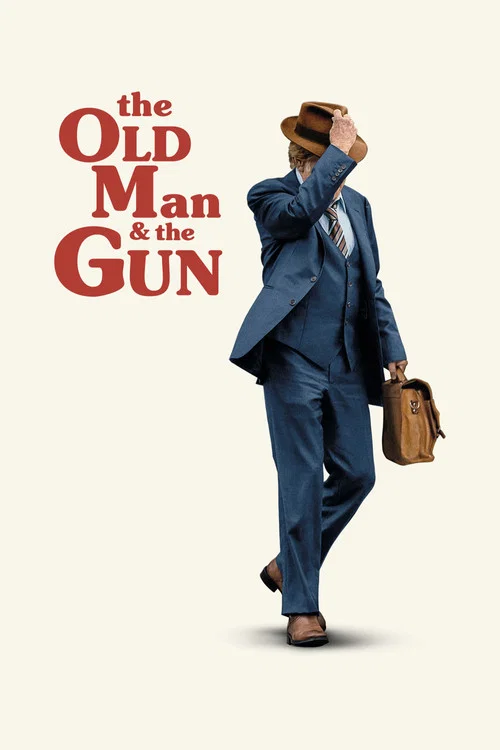
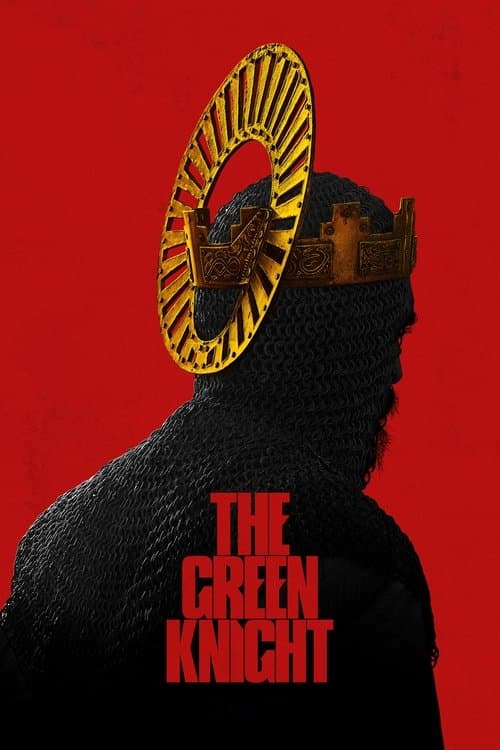
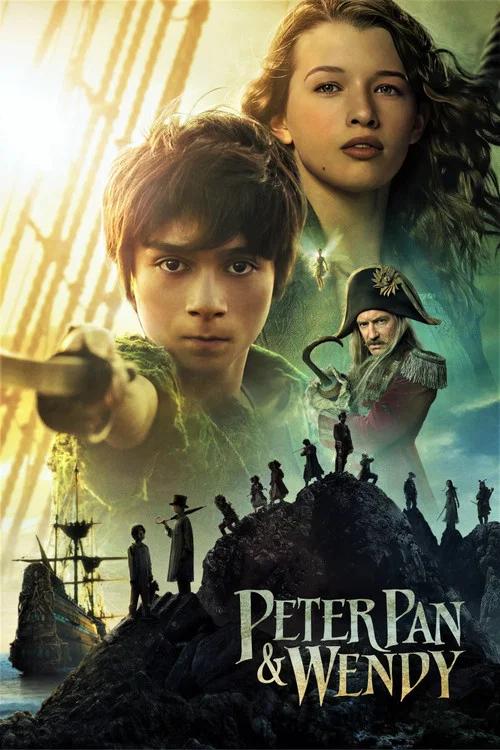
David Lowery directed Ain't Them Bodies Saints, released in 2013. CineCode also covers Pete's Dragon (2016), A Ghost Story (2017), The Old Man & the Gun (2018), The Green Knight (2021), Peter Pan & Wendy (2023).
What films are similar to Ain't Them Bodies Saints?
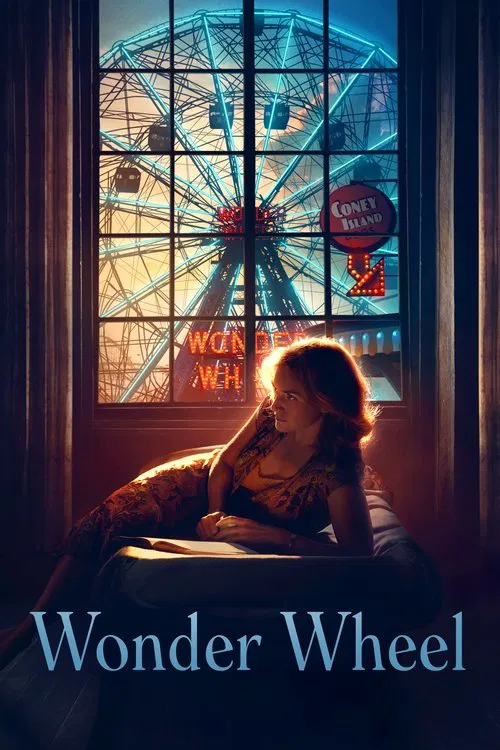
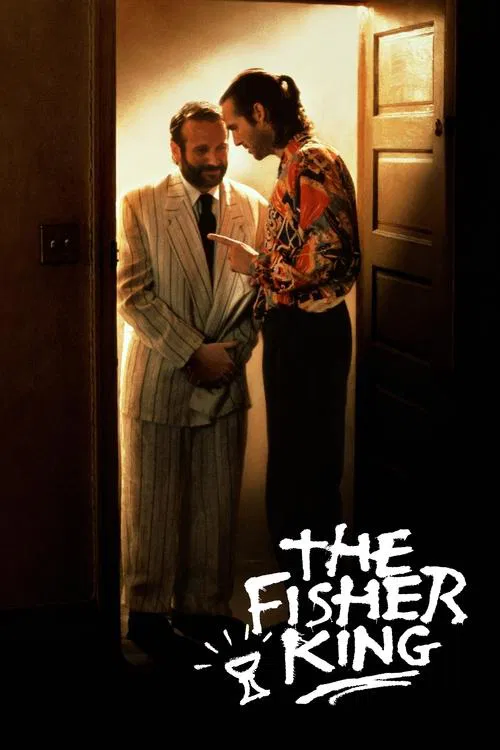
Films that share techniques with Ain't Them Bodies Saints include Crouching Tiger, Hidden Dragon (2000), Cassandra's Dream (2007), Wonder Wheel (2017), The Fisher King (1991).