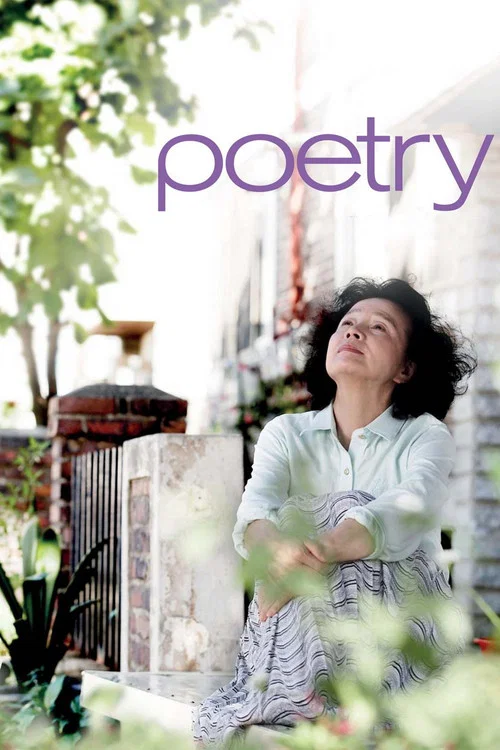
Mi-ja, a 66-year-old grandmother with early memory loss, joins a poetry class and tries to write one poem. She then learns her grandson was part of a group rape of a girl who killed herself. The film is quiet and sad, and worth watching for how it turns a poem into a confession.
Poetry is a 2010 drama film directed by Lee Chang-dong. This breakdown covers 4 techniques (1 narrative, 1 cinematography, 1 psychology and 1 sound), each with the scene where you can see it. If you like how it is made, Splendor in the Grass uses several of the same techniques.
Having a character read or recite real verse so the poem says what the characters cannot. The words become the emotional center of the film.
How this film uses it
Mi-ja's class asks her to write one poem by the end of the course. She starts noting things she sees, especially flowers. The effort to find words gives meaning to a story she cannot say aloud.
Where to see it
The poetry class: Mi-ja's teacher sets the assignment to write one poem by the end of the month.
Keeping the worst violence outside the frame. You hear it or see its effects and other people's reactions, and your imagination does the rest.
How this film uses it
You never see the rape of Agnes. You hear about it from the fathers of the other boys, who discuss a settlement. Without any images, the horror comes from how calmly they speak.
Where to see it
The fathers' meeting: The men tell Mi-ja what the boys did to Agnes and plan a settlement to avoid the police.
Showing a character who holds feelings down until they leak out or burst. The performance lives in what is withheld, and the release lands harder for the wait.
How this film uses it
Mi-ja holds her feelings down as she is pressured to help pay the settlement. She barely says what she feels, and you read it in small actions instead.
Where to see it
The settlement: Mi-ja is pressured to pay her share and asks Mr. Kang for the money. He pays her, believing it is blackmail.
Using a narrator's voice to guide the story, either as flat documentary report or as a voice that gets interrupted. The narration shapes how much you trust the telling.
How this film uses it
At the end, the teacher reads Mi-ja's poem Agnes's Song aloud. Mi-ja's voice begins it and then Agnes's voice takes over, following a path to the bridge. The film ends on Agnes's half-smile to the camera.
Where to see it
The final poem: Agnes's voice takes over the poem and Agnes turns to look into the camera.
Questions
Poetry: quick answers
What filmmaking techniques does Poetry use?
CineCode breaks down 4 techniques in Poetry (2010): Recited Poetry as Theme, Off-Screen Atrocity, Repressed Emotion and Voiceover Narration Device.
Who directed Poetry?
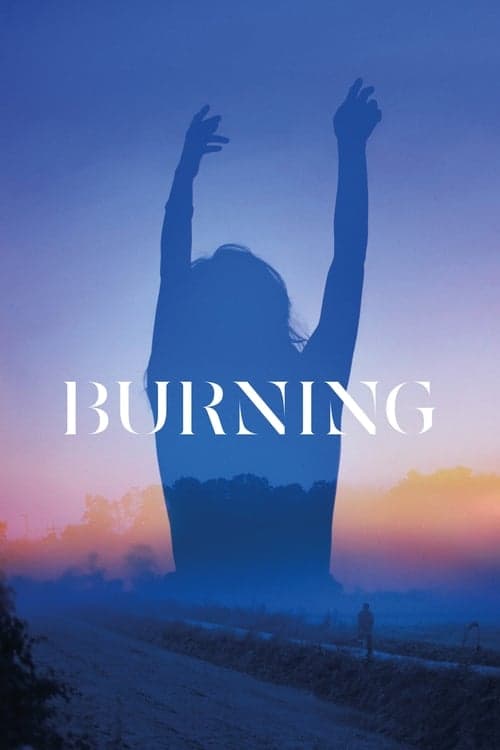
Lee Chang-dong directed Poetry, released in 2010. CineCode also covers Burning (2018).
What films are similar to Poetry?
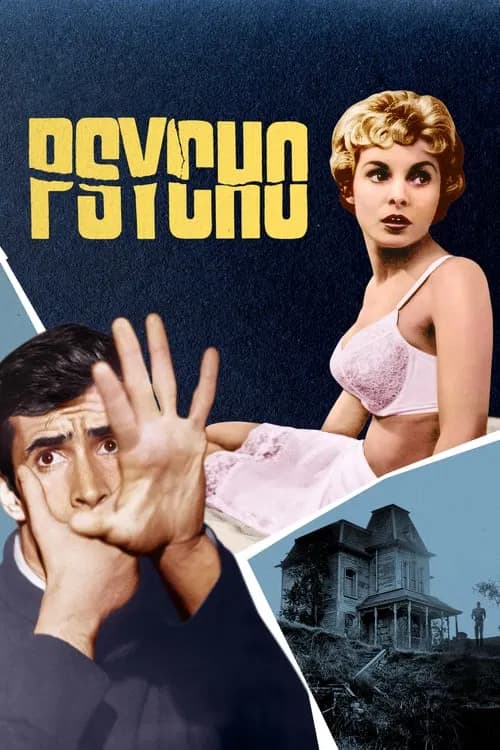
Films that share techniques with Poetry include Splendor in the Grass (1961), Bright Star (2009), Life is Beautiful (1997), Psycho (1960).