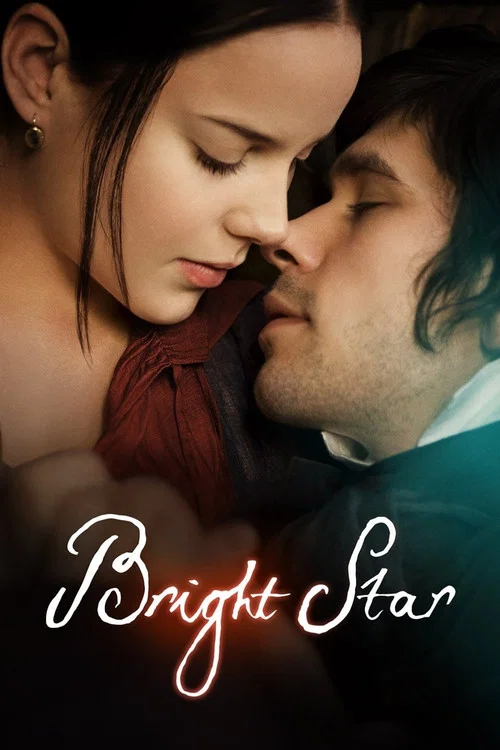
In 1818 Hampstead, Fanny Brawne falls for the poet John Keats, who cannot marry because he has no money. Their love grows through poetry lessons and letters, and then illness takes him away. Watch how Campion uses costume and quiet images to tell a love story in a few small gestures.
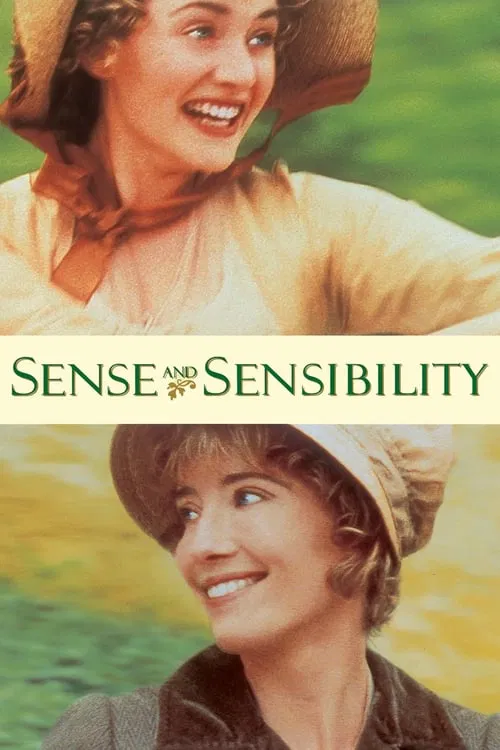
Bright Star is a 2009 romance, drama and biography film directed by Jane Campion. This breakdown covers 4 techniques (1 cinematography, 2 narrative and 1 psychology), each with the scene where you can see it. If you like how it is made, Sense and Sensibility uses several of the same techniques.
Designing wardrobes that carry character, status or change as much as the acting does. Clothes tell you who someone is or has become before they speak.
How this film uses it
Fanny is described as fashionable, and her clothes show her ambition and spirit. Her outfits stand out against the plainer people around her. You learn who she is from what she wears before she says a word.
Where to see it
Fanny's flair: when Fanny meets Keats through the Dilkes, her fashionable look marks her out. Her flirtatious personality contrasts with Keats' more aloof nature.
Having a character read or recite real verse so the poem says what the characters cannot. The words become the emotional center of the film.
How this film uses it
Keats gives Fanny poetry lessons, and the poems become the way they talk about love. When he is gone, the verse is all that is left. At the end, Fanny speaks the sonnet he wrote for her.
Where to see it
Final walk: Fanny cuts her hair in mourning, puts on black and walks the snowy paths Keats walked. There she recites his sonnet Bright Star.
Showing a character who holds feelings down until they leak out or burst. The performance lives in what is withheld, and the release lands harder for the wait.
How this film uses it
Keats holds back because he has no money and cannot offer Fanny a future. Fanny's mother says he knows he cannot like her. The two share their feelings in letters and lessons instead of in plain speech.
Where to see it
Poetry lessons: Keats starts giving Fanny poetry lessons and it becomes clear the attraction is mutual. Fanny is troubled that he is reluctant to pursue her.
Building up to a big emotional release slowly, by investing in the characters and giving small bits of hope. When the release comes, it feels deserved after all the suffering.
How this film uses it
The film moves slowly through courtship, secret engagement and Keats' illness. When he dies in Italy, the grief you feel has been built over the whole story. The last scene lets it finally break.
Where to see it
Goodbye and death: the night before he leaves, Keats and Fanny say tearful goodbyes in private. He dies in Italy the following February, and Fanny mourns him in the snow.
Questions
Bright Star: quick answers
What filmmaking techniques does Bright Star use?
CineCode breaks down 4 techniques in Bright Star (2009): Costume as Storytelling, Recited Poetry as Theme, Repressed Emotion and Earned Catharsis.
Who directed Bright Star?
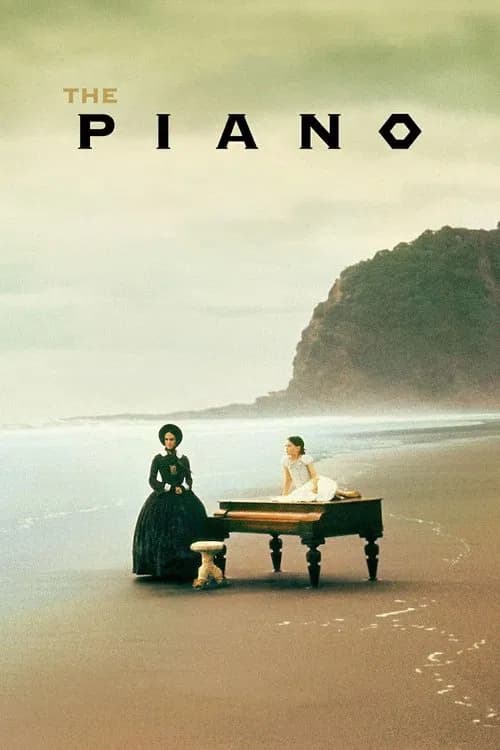
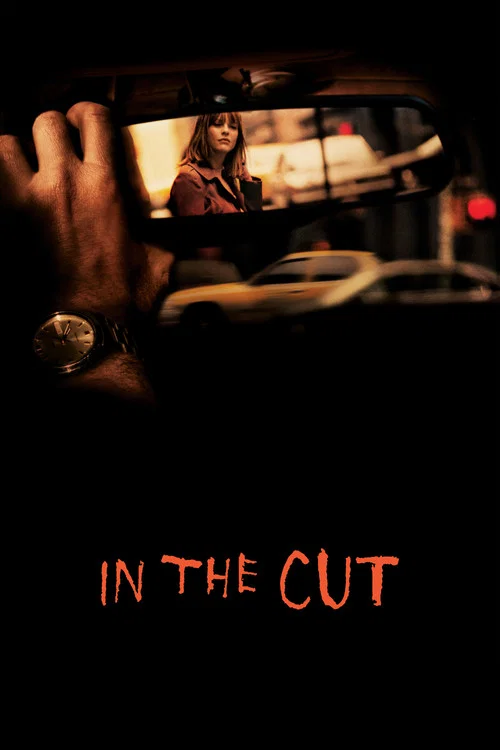
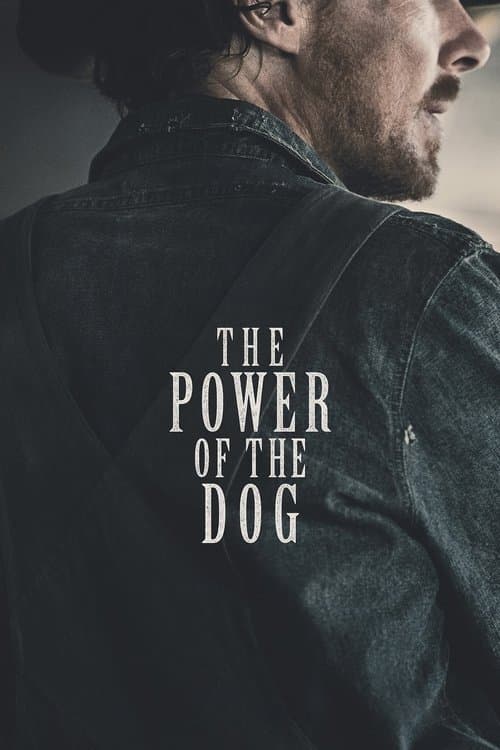
Jane Campion directed Bright Star, released in 2009. CineCode also covers The Piano (1993), In the Cut (2003), The Power of the Dog (2021).
What films are similar to Bright Star?
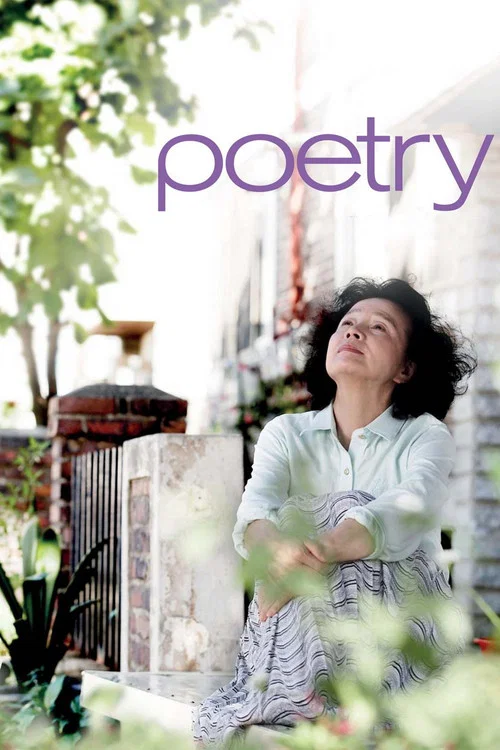
Films that share techniques with Bright Star include Sense and Sensibility (1995), Splendor in the Grass (1961), Invictus (2009), Poetry (2010).