Drama · Romance

The Ice Storm

Ang Lee, 1997

Two neighboring families in a Connecticut suburb spend Thanksgiving weekend in 1973 drifting through affairs, drinking and awkward teenage experiments. A key party and a freezing storm push everyone toward one night they can't take back. Watch how Ang Lee lets the cold do the emotional work.

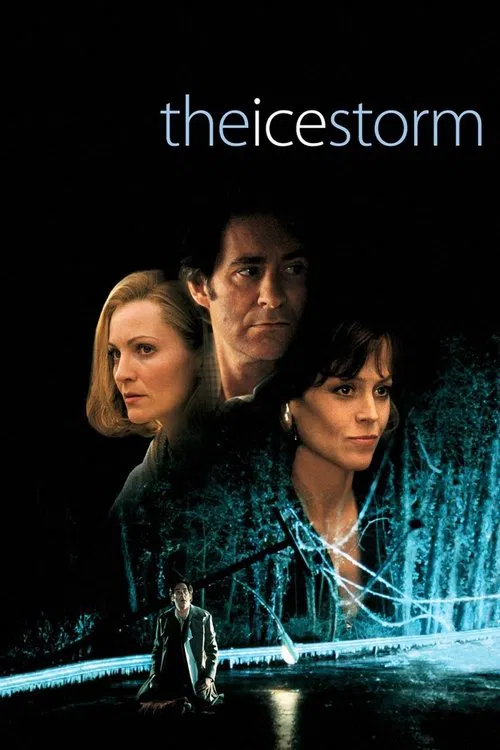
The Ice Storm (1997) poster

At a glance

The Ice Storm is a 1997 drama and romance film directed by Ang Lee. This breakdown covers 5 techniques (3 narrative, 1 cinematography and 1 psychology), each with the scene where you can see it. If you like how it is made, 8½ uses several of the same techniques.

Narrative

Observational Restraint

Watching events from a measured distance with no swelling music, tear-jerking close-ups or showy camera moves. The film trusts what happens to carry the weight on its own.

How this film uses it

Lee keeps the camera at a polite distance from the affairs, the drinking and the shame. Nobody delivers a speech that explains their feelings, so you read them from small moments. That distance makes the quiet breakdowns sting more.

Where to see it

The key party: Married couples swap partners by drawing car keys from a bowl. A drunken Ben is upset when Janey picks another man's keys, then retreats to the bathroom and stays there for the rest of the night.
Narrative

Earned Catharsis

Building up to a big emotional release slowly, by investing in the characters and giving small bits of hope. When the release comes, it feels deserved after all the suffering.

How this film uses it

For most of the film, nobody in these two families says anything honest. Then Ben finds Mikey's body on the roadside and carries it home, and the grief finally breaks through. In the last car ride, Ben sobs at the wheel while his family holds together.

Where to see it

The drive to the station: Ben, Elena and Wendy drive to pick up Paul after the storm. With all four together in the car, Ben breaks down sobbing and Elena comforts him.

Narrative

Circular Structure

Ending the film where it started, or with a scene that echoes the opening. The repeat shows what has changed, or suggests the cycle will keep going.

How this film uses it

The film opens on Paul, stuck on a train stopped by the storm, reading a Fantastic Four comic and narrating. It closes with the family driving to the station to collect him. The repeat shows how much the night has changed them.

Where to see it

Opening train ride: Paul sits on a stalled train in the gray light before dawn, reading a comic and talking about family. The ending returns to the station where his family comes to pick him up.

Cinematography

Weather as Emotional Mirror

Letting rain, storms, sunshine or changing scenery reflect what characters feel, often breaking at the story's peak. The environment says what the characters cannot.

How this film uses it

Ice coats the trees, roads and power lines while the adults' night falls apart. The crew soaked streets and trees with hoses and a water truck to make ice. A real storm turned to snow, so most of that footage was unusable and a few shots needed snow removed digitally. The beauty lures Mikey out, and the same ice kills him.

Where to see it

Mikey's walk: Mikey wanders into the storm, enchanted by the ice-covered trees. He slides down an icy hill and sits on a guardrail, and a falling tree brings down a power line that electrocutes him.

Psychology

Psychological Doubling

Pairing the main character with a second character who mirrors them. The double shows what the hero wants, fears or secretly is.

How this film uses it

While the parents swap keys, the kids run their own version of the same night. Wendy climbs into bed with Sandy, and Paul chases Libbets in Manhattan. You notice the adults are no more grown up than the teenagers.

Where to see it

The parallel night: Wendy and Sandy share a bed and a bottle of vodka and fall asleep. In Manhattan, Paul tells Libbets how he feels and she says she thinks of him as a brother.

Questions

The Ice Storm: quick answers

What filmmaking techniques does The Ice Storm use?
CineCode breaks down 5 techniques in The Ice Storm (1997): Observational Restraint, Earned Catharsis, Circular Structure, Weather as Emotional Mirror and Psychological Doubling.
Who directed The Ice Storm?
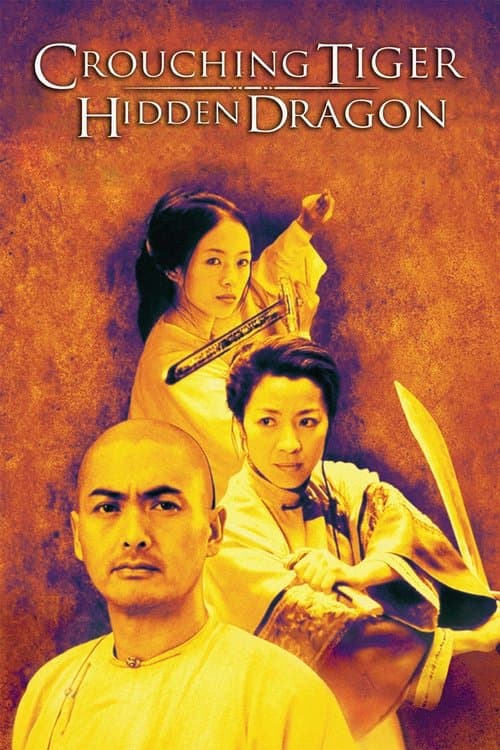
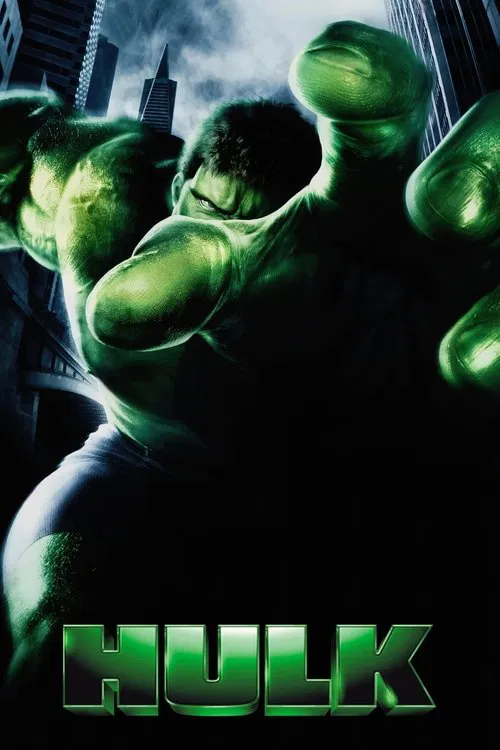
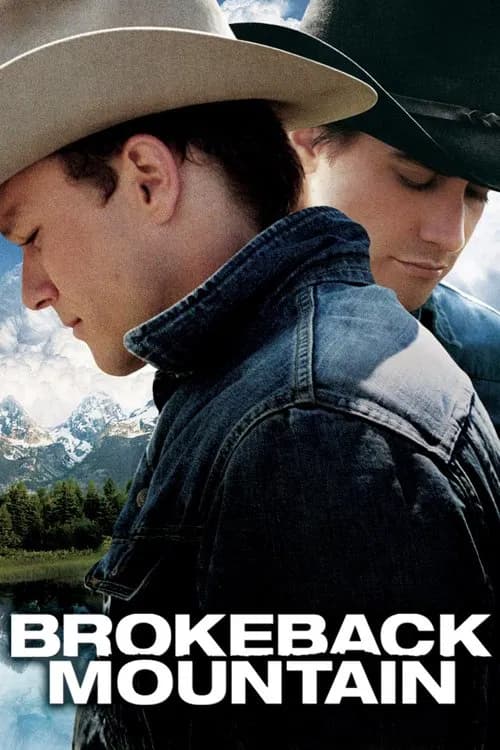
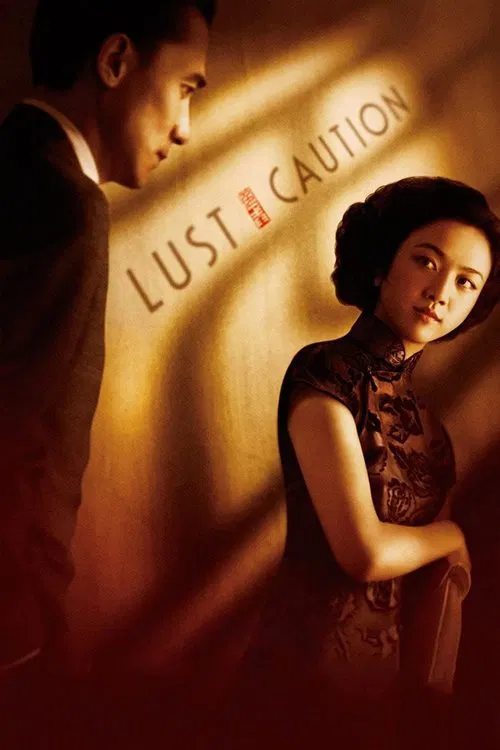
Ang Lee directed The Ice Storm, released in 1997. CineCode also covers Sense and Sensibility (1995), Crouching Tiger, Hidden Dragon (2000), Hulk (2003), Brokeback Mountain (2005), Lust, Caution (2007), Life of Pi (2012).
What films are similar to The Ice Storm?
Films that share techniques with The Ice Storm include 8½ (1963), Moonlight (2016), Portrait of a Lady on Fire (2019), Before Sunrise (1995).