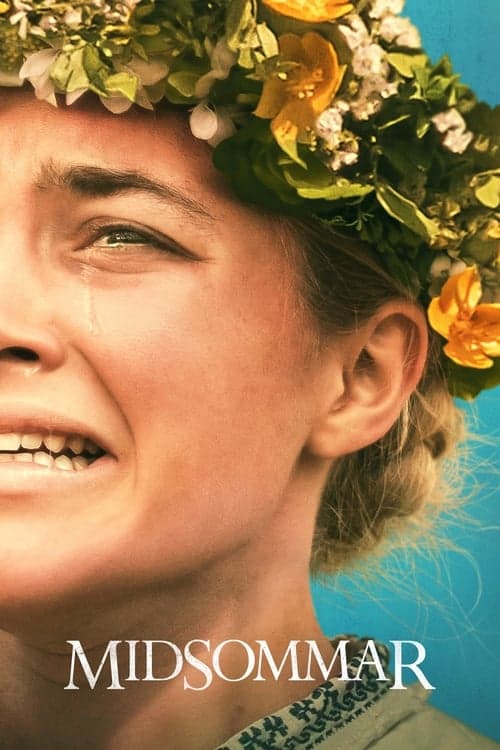
Midsommar
Ari Aster · 2019
Dani joins her emotionally distant boyfriend and his anthropology friends on a trip to a remote Swedish commune for a midsummer festival that reveals itself, over nine days of relentless daylight, as something ancient and murderous. Ari Aster's folk horror is also a breakup film — the commune offers Dani the grief processing her boyfriend never could.
Techniques Used
5 techniques identified in this film
Cult Structure as Social Horror
PsychologyUsing a cult or closed community's rituals, hierarchies, and social mechanisms as the primary source of horror — making belonging itself the threat rather than any individual monster.
How this film uses it
The Hårga are not villains with hidden evil; they are a community with complete consistency of belief. Their rituals are logical within their own framework. The horror is the framework's totality — the commune's absolute social coherence is more disturbing than any individual act, because it cannot be argued with.
Color Palette as Worldbuilding
CinematographyAssigning distinct color palettes to different narrative spaces or states — communicating geography, psychology, and meaning without dialogue or exposition.
How this film uses it
Pawel Pogorzelski photographs the Swedish commune in relentless, saturated daylight — yellows, whites, and greens that refuse conventional horror's darkness. The palette is the film's formal argument: horror does not require shadow when the community's logic is fully exposed in the light.
Symbolic Object
NarrativeAn object given such sustained narrative and visual attention that it accumulates meaning beyond its literal function — becoming a vessel for the film's thematic concerns.
How this film uses it
The tapestries depicting the ritual calendar — hung decoratively around the commune — document what is going to happen to the visitors in the same visual language as the community's art. The symbolic objects frame the visitors' fate as a pre-written text, the horror a story the commune has already completed before the outsiders arrived.
Proleptic Opening
NarrativeBeginning a film with images or sequences that anticipate the film's themes, emotional texture, or formal strategies before the story begins.
How this film uses it
The film opens with Dani's family tragedy before the commune is introduced. The opening is the film's emotional argument compressed: Dani's grief requires a community that can hold it, and the commune will provide one at a price she cannot yet name. The horror is encoded in the opening loss.
Earned Catharsis
NarrativeA climactic emotional release that the narrative has systematically built toward — not sentiment applied from outside but feeling that arrives because the film has laid the necessary groundwork.
How this film uses it
Dani's smile in the final sequence — as the temple burns with Christian inside — is horror cinema's most complicated catharsis. Aster has spent two and a half hours making the case that her grief and her relationship's failure deserve this release. The catharsis is real even as it is terrible.
You Might Also Like
Films that share at least one technique with Midsommar
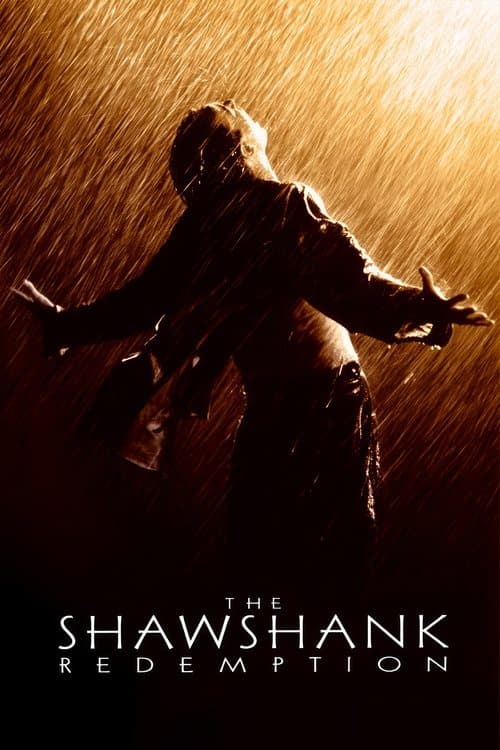
A banker wrongly convicted of murder endures nearly two decades inside Shawshank Prison through quiet resistance, unlikely friendship, and an unbroken will. A film about hope as an act of defiance against the slow machinery of institutional dehumanization.
The Shawshank Redemption
Frank Darabont · 1994

A young Black man in Miami is seen at three moments in his life — as a child, as a teenager, and as an adult — each chapter revealing how he learned to hide and then forget who he actually was. A film about the cost of self-erasure.
Moonlight
Barry Jenkins · 2016
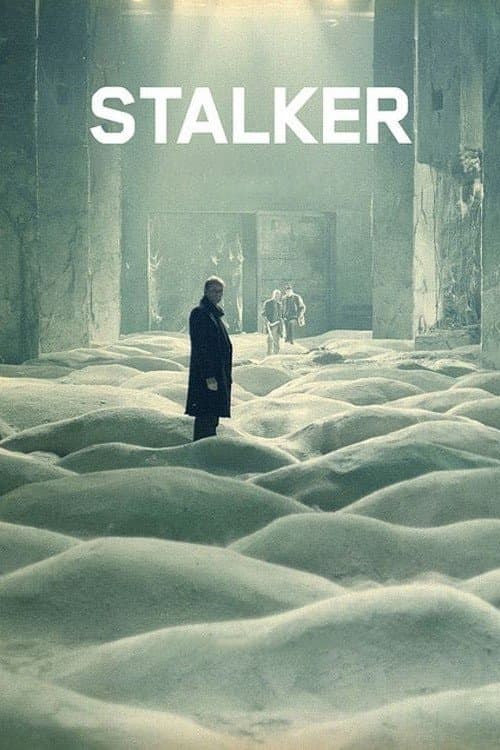
A guide called the Stalker leads a Writer and a Professor through the Zone — a forbidden, seemingly supernatural landscape containing a Room that grants a person's deepest wish. One of cinema's most demanding and rewarding films: a philosophical journey that refuses every destination it promises.
Stalker
Andrei Tarkovsky · 1979