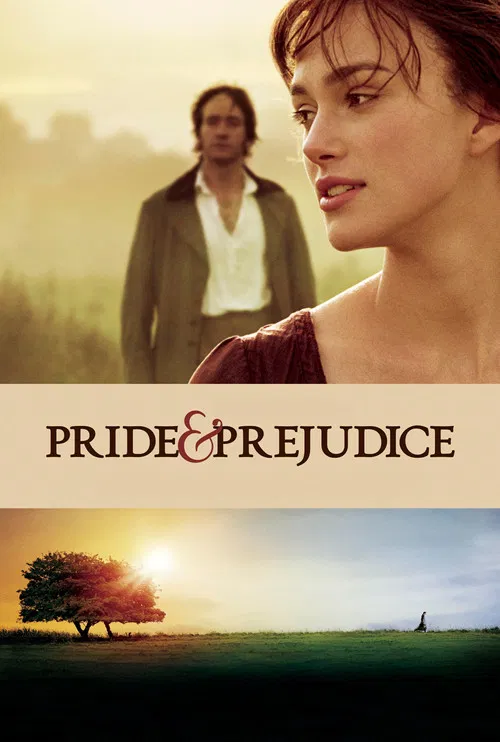
In rural England, the Bennet sisters are expected to marry well, and clever Elizabeth Bennet clashes with proud, wealthy Mr Darcy. First impressions turn out to be wrong on both sides. For filmmakers, it shows how real locations, weather and a piano score can make a costume drama feel alive.
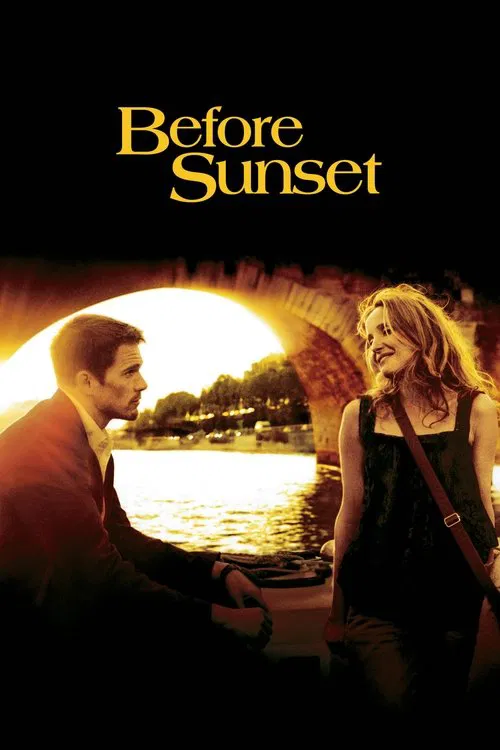
Pride & Prejudice is a 2005 drama and romance film directed by Joe Wright. This breakdown covers 5 techniques (3 cinematography, 1 narrative and 1 sound), each with the scene where you can see it. If you like how it is made, Before Sunset uses several of the same techniques.
Mounting the camera on a stabilizing rig worn by the operator so it can glide smoothly through a space. It moves as freely as handheld but without the shake.
How this film uses it
At the ball, the camera glides through the crowd, so you feel the heat and noise of a dance. It stays close to Elizabeth as she is pushed together with Darcy.
Where to see it
The ball at Netherfield: Elizabeth and Darcy dance stiffly while the camera moves among the dancers.
Filming in recognizable real places so the setting acts like part of the cast. Streets, buildings and landscapes shape the mood of the story.
How this film uses it
The film was shot entirely on location in England. Longbourn, Netherfield, Pemberley and Rosings are all real estates. Each house tells you how rich and how formal its owner is.
Where to see it
Pemberley tour: Elizabeth tours Darcy's estate with the Gardiners, and Darcy greets her politely and invites them to dine.
Letting rain, storms, sunshine or changing scenery reflect what characters feel, often breaking at the story's peak. The environment says what the characters cannot.
How this film uses it
The first proposal happens outdoors in the rain, and the weather matches the anger of the scene. The second proposal comes on misty moors at dawn, soft and quiet. The sky shifts as the feeling shifts.
Where to see it
Hunsford proposal: Darcy proposes in anger and Elizabeth rejects him. Later, at dawn on the moor, he apologizes and asks again.
Having two characters judge each other wrongly at the start, then letting new information overturn those opinions scene by scene. Watching the mistakes get corrected is the pleasure of the story.
How this film uses it
Elizabeth overhears Darcy snub her, and she believes Wickham's story about him. Darcy's letter and his help with Lydia undo both opinions. By the end, you have rewatched the first scenes in a new light.
Where to see it
Darcy's letter: After the Hunsford proposal, Darcy gives Elizabeth a letter exposing Wickham's attempt to seduce Georgiana.
Building a score around one instrument, such as a piano, so the music feels intimate and personal. It sounds like a private thought, with no big orchestra telling you what to feel.
How this film uses it
Dario Marianelli's score was performed on piano by Jean-Yves Thibaudet with a chamber orchestra, and he looked to Beethoven's early piano sonatas as a reference. The piano keeps close to Elizabeth's thoughts. The music feels small and personal even in large rooms.
Where to see it
Dawn on the moor: Darcy apologizes and renews his proposal. Elizabeth accepts, and Mr Bennet gives his consent.
Questions
Pride & Prejudice: quick answers
What filmmaking techniques does Pride & Prejudice use?
CineCode breaks down 5 techniques in Pride & Prejudice (2005): Steadicam, Real Locations as Character, Weather as Emotional Mirror, First Impression Reversal and Solo Instrument Score.
Who directed Pride & Prejudice?
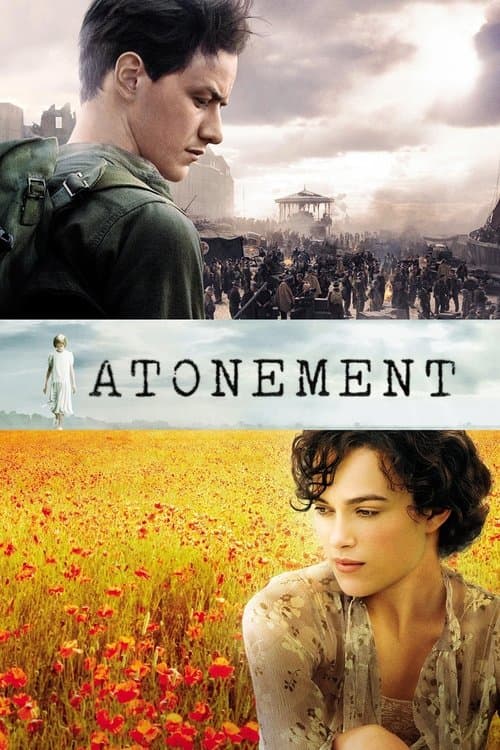
Joe Wright directed Pride & Prejudice, released in 2005. CineCode also covers Atonement (2007).
What films are similar to Pride & Prejudice?
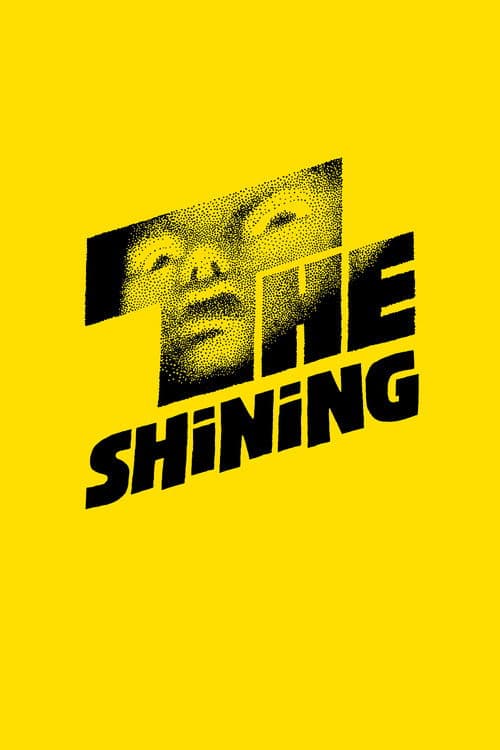
Films that share techniques with Pride & Prejudice include Before Sunset (2004), Weathering with You (2019), The Shining (1980), Atonement (2007).