Drama · Romance

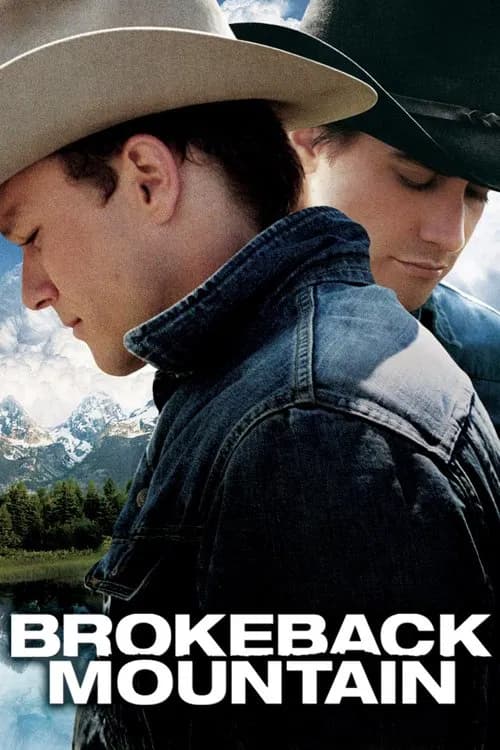
Brokeback Mountain

Ang Lee, 2005

In 1963, 2 young men herding sheep on a Wyoming mountain begin a passionate love affair that neither can name. For 2 decades, they keep up a secret, impossible relationship through marriages, children and the distance of separate lives. Ang Lee's film is about the lives that never got lived.

Brokeback Mountain (2005) poster

At a glance

Brokeback Mountain is a 2005 drama and romance film directed by Ang Lee. This breakdown covers 4 techniques (2 cinematography, 1 sound and 1 narrative), each with the scene where you can see it. If you like how it is made, 12 Years a Slave uses several of the same techniques.

Cinematography

Landscape as Sacred Geography

Photographing real landscapes like mountains, plains and rivers so they feel mythic and full of meaning. The land becomes a spiritual and moral test the characters have to cross.

How this film uses it

Brokeback Mountain is the only place in the film where Ennis and Jack are fully themselves. It holds the only freedom they ever have. Each time the mountain comes back over the 20 years, you can measure everything they have lost.

Where to see it

The final scene. In his trailer, Ennis stands before a postcard of Brokeback Mountain tacked to his closet door beside Jack's shirt. The mountain survives only as a picture, and the men who loved each other on it are gone.
Sound

Strategic Silence

Removing music, background sound or dialogue from a moment where most films would fill it. The quiet forces you to sit with what is on screen.

How this film uses it

Ang Lee and composer Gustavo Santaolalla hold the music back. The sparse guitar score goes silent at the moments of greatest emotional weight. You have to sit with the characters in the silence of what they cannot say.

Where to see it

Ennis collapsing against the wall after Jack drives away the first time. The music and the dialogue both drop out. His body shows what he has no words for.

Narrative

Observational Restraint

Watching events from a measured distance with no swelling music, tear-jerking close-ups or showy camera moves. The film trusts what happens to carry the weight on its own.

How this film uses it

Lee never explains the homophobia Ennis has turned on himself, and he never fully shows you Ennis's inner life. The film puts a lot of trust in Ledger's physical performance and in the landscape. Dialogue would only make those moments smaller.

Where to see it

Ennis in Jack's old bedroom at his parents' house. The camera holds on Ledger's face as he weeps holding Jack's shirt. The scene is complete without a word.

Cinematography

Seasonal Color Deterioration

Dividing the film into seasons and shifting the color from warm and rich to cold and washed out. The changing colors track the characters' decline.

How this film uses it

Rodrigo Prieto's photography gives the mountain sequences warm, rich color. The valley scenes of ordinary married life get steadily cooler and more washed out. The change in color shows the gap between the life lived and the life wanted.

Where to see it

The summer mountain sequences against Ennis's lonely trailer at the end. You see the same man in warm color and in cold color, and they are 2 different existences.

Questions

Brokeback Mountain: quick answers

What filmmaking techniques does Brokeback Mountain use?
CineCode breaks down 4 techniques in Brokeback Mountain (2005): Landscape as Sacred Geography, Strategic Silence, Observational Restraint and Seasonal Color Deterioration.
Who directed Brokeback Mountain?
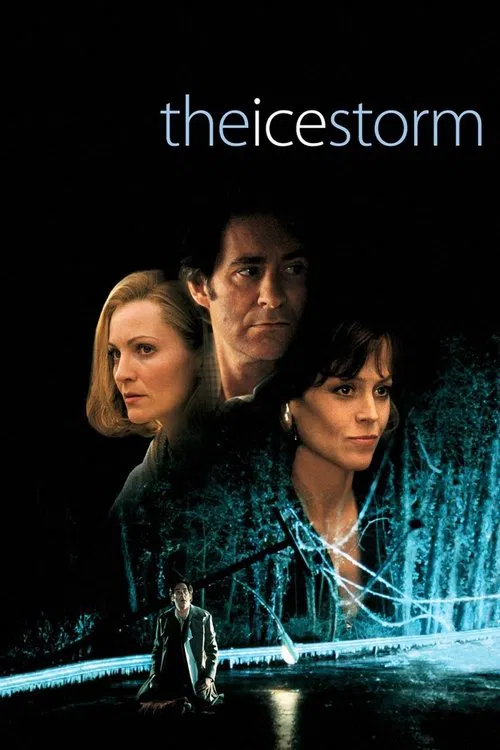
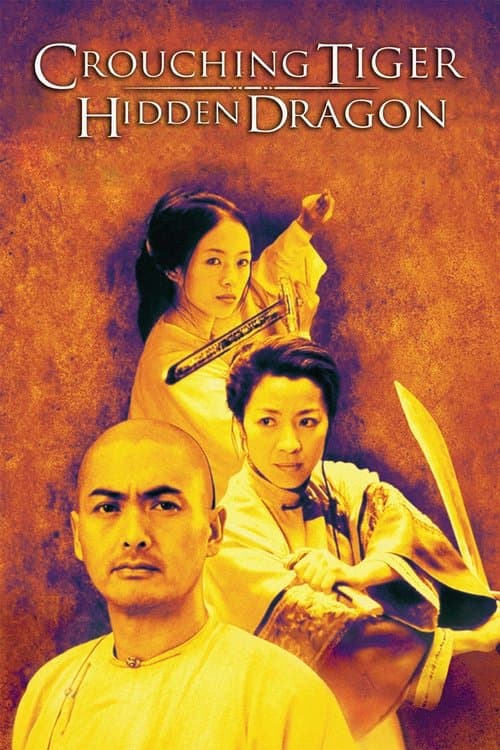
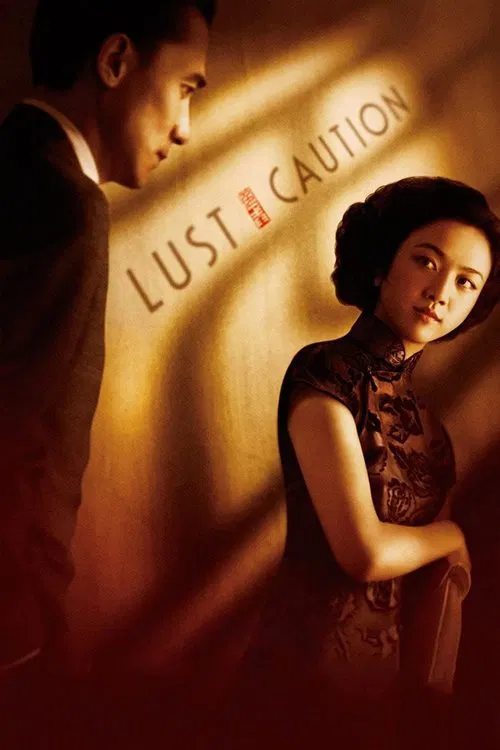
Ang Lee directed Brokeback Mountain, released in 2005. CineCode also covers Sense and Sensibility (1995), The Ice Storm (1997), Crouching Tiger, Hidden Dragon (2000), Hulk (2003), Lust, Caution (2007), Life of Pi (2012).
What films are similar to Brokeback Mountain?
Films that share techniques with Brokeback Mountain include 12 Years a Slave (2013), Andrei Rublev (1966), Tokyo Story (1953), A Ghost Story (2017).