History · War · Drama

Kingdom of Heaven

Ridley Scott, 2005

A French blacksmith who has lost his wife joins his crusader father, inherits a title and ends up defending Jerusalem against Saladin. The film asks what a decent man can do in a city both sides claim. Watch how Scott uses real landscapes and a huge built Jerusalem to show scale.

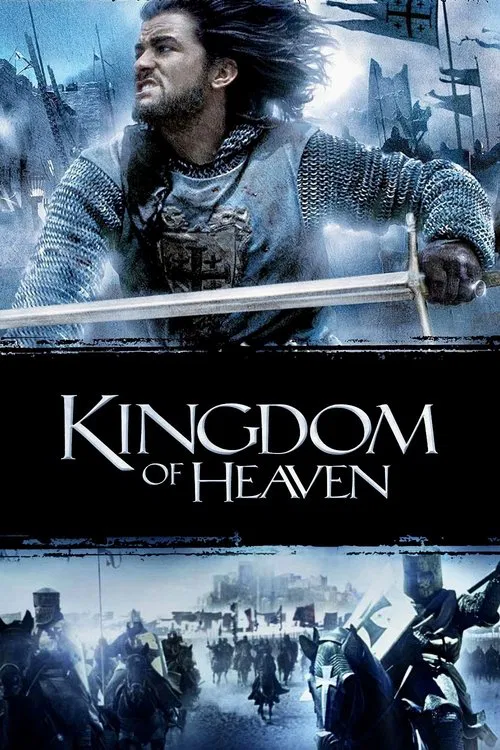
Kingdom of Heaven (2005) poster

At a glance

Kingdom of Heaven is a 2005 history, war and drama film directed by Ridley Scott. This breakdown covers 5 techniques (3 narrative, 1 cinematography and 1 sound), each with the scene where you can see it. If you like how it is made, The Man Who Would Be King uses several of the same techniques.

Narrative

Medieval Modern Allegory

Using a medieval or historical setting, with its plague, religion and social collapse, to talk about present-day fears. The distance of history makes it easier to look at things that feel too close.

How this film uses it

The film uses the Crusades to talk about conflict that is still going on. Balian argues for tolerance and spares enemies, while Guy and Raynald, on the Christian side, wreck a fragile peace. The closing text says that nearly a thousand years later, peace in the Kingdom of Heaven remains elusive. One reading is that the story is about the West and the Arab world today.

Where to see it

The epilogue: closing text notes that peace in the Kingdom of Heaven remains elusive almost a thousand years later.

Narrative

Redefined Victory

Changing what counts as winning partway through the story, so the hero chases a smaller, personal goal. The ending can then feel like a triumph even when the hero loses.

How this film uses it

Balian cannot win the siege. Outnumbered, he bargains with Saladin and says he will destroy Jerusalem before giving it up. Saladin offers safe conduct to every Christian in the city, and Balian surrenders. Winning now means saving the people, and the film treats the surrender as the victory.

Where to see it

The siege of Jerusalem: after a devastating 3-day siege, Saladin and Balian meet to talk, and Balian formally surrenders in return for safe passage.

Narrative

Circular Structure

Ending the film where it started, or with a scene that echoes the opening. The repeat shows what has changed, or suggests the cycle will keep going.

How this film uses it

The film opens in Balian's French village, where he is a grieving blacksmith. It ends with English knights coming to that same village to ask him to join their king, and Balian says he is merely a blacksmith. He rides past his wife's grave. After a war and a siege, he is back where he started, and he has changed.

Where to see it

The return to France: years later, English knights ask Balian to join the English king's army, and he turns them down.

Cinematography

Human Figure in Vast Landscape

Framing people as tiny specks in an enormous wide shot. The size gap shows how little one person's will counts against the forces of nature, geography or history.

How this film uses it

After the shipwreck, Balian is the lone survivor and crosses the desert alone with a horse he recovers. Cinematographer John Mathieson shot many large, sweeping landscapes, and this stretch sets one man against a whole country he does not know.

Where to see it

The desert crossing: Balian's ship runs aground in a storm, and he crosses the desert alone. He fights a Muslim cavalier over a horse and spares the man's slave.

Sound

Cultural Musical Identity

Writing music with its own instruments, rhythms and melodies for each culture in the film, or drawing on a real culture's musical traditions. The score tells you about the people.

How this film uses it

The score mixes medieval, Middle Eastern, contemporary classical and popular influences, mostly by Harry Gregson-Williams. It sounds different from Scott's earlier Roman epic. The mix tells you this is a story set where 2 worlds meet. The film also borrows "Vide Cor Meum," a piece first used in an earlier Scott film.

Where to see it

The arrival in Jerusalem: Balian frees the slave who guided him, then meets King Baldwin, Tiberias and Princess Sibylla.

Questions

Kingdom of Heaven: quick answers

What filmmaking techniques does Kingdom of Heaven use?
CineCode breaks down 5 techniques in Kingdom of Heaven (2005): Medieval Modern Allegory, Redefined Victory, Circular Structure, Human Figure in Vast Landscape and Cultural Musical Identity.
Who directed Kingdom of Heaven?
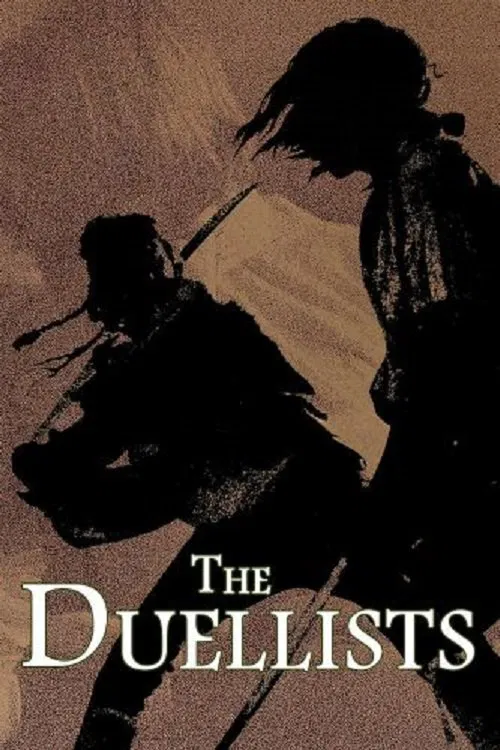
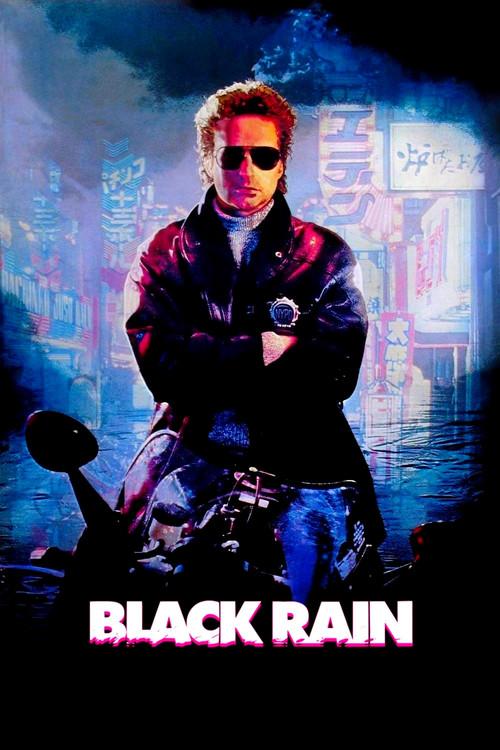
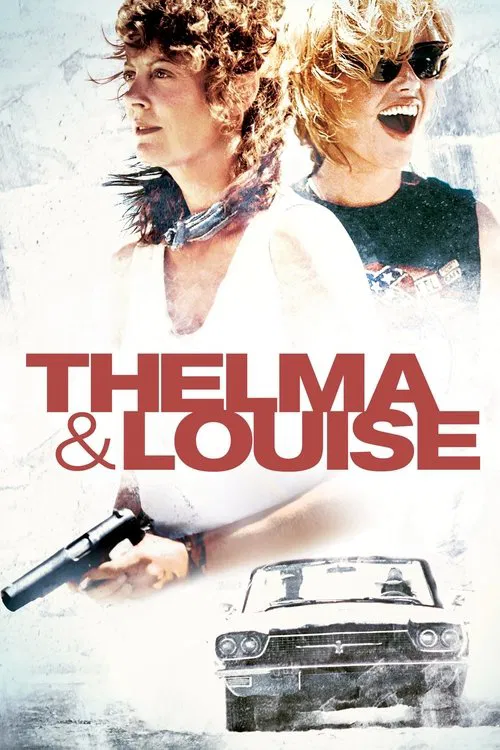
Ridley Scott directed Kingdom of Heaven, released in 2005. CineCode also covers The Duellists (1977), Alien (1979), Blade Runner (1982), Legend (1985), Black Rain (1989), Thelma & Louise (1991).
What films are similar to Kingdom of Heaven?
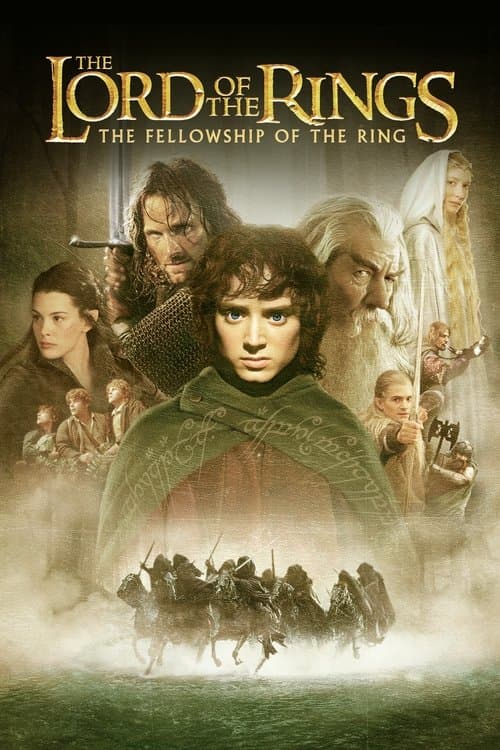
Films that share techniques with Kingdom of Heaven include The Man Who Would Be King (1975), Eternal Sunshine of the Spotless Mind (2004), The Lord of the Rings: The Fellowship of the Ring (2001), Forrest Gump (1994).