Crime · Thriller · Drama

Lady Vengeance

Park Chan-wook, 2005

After 13 years in prison, a woman who confessed to a child's murder walks out and starts a long, careful plan for revenge on the man who really did it. It's the last film of Park's Vengeance trilogy. Watch how Vivaldi and a block of tofu set the mood.

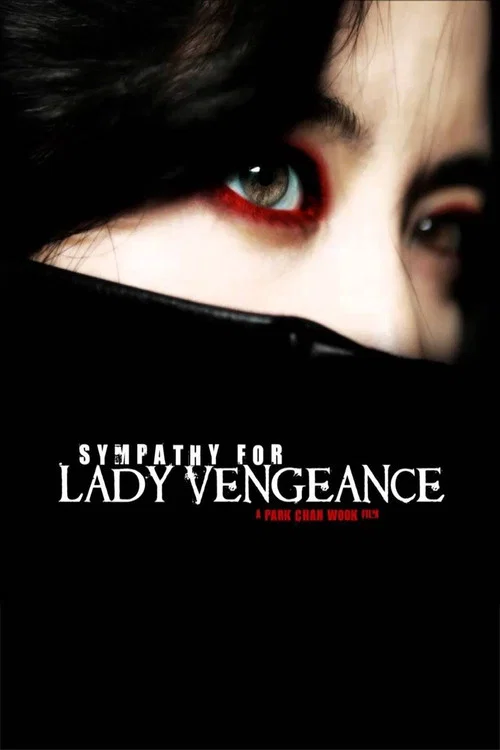
Lady Vengeance (2005) poster

At a glance

Lady Vengeance is a 2005 crime, thriller and drama film directed by Park Chan-wook. This breakdown covers 5 techniques (3 narrative, 1 sound and 1 cinematography), each with the scene where you can see it. If you like how it is made, Lust, Caution uses several of the same techniques.

Narrative

Non-Linear Narrative

Telling the story out of order by jumping between time periods. The order you see events in changes how you understand them.

How this film uses it

Geum-ja's present-day plan is cut with flashbacks that show her time in prison and what Mr. Baek did to her. You see the revenge and the reasons for it in pieces. The order lets you understand her before you judge her.

Where to see it

The flashbacks about Mr. Baek. They show how her teacher forced her into his crimes and took her baby.
Sound

Elegant Music Against Cruelty

Pairing refined, calm music with ugly or desperate actions. The politeness of the sound makes the behavior look stranger and sadder.

How this film uses it

The score by Choi Seung-hyun is built on baroque sounds like harpsichord and baroque guitar. The main theme is an edited Vivaldi aria, and Paganini's 24th Caprice also recurs. The elegant music sits against the cruel plot, so the revenge feels like a ritual.

Where to see it

The main theme. The edited Vivaldi aria carries the story of Geum-ja's plan.

Narrative

Community as Tribunal

Showing a community turn into its own informal court, outside the legal system. Mob logic and social pressure take the place of legal process, the same way a rumor hardens into a conviction.

How this film uses it

Geum-ja gathers the parents of Mr. Baek's other victims. They hold their own trial and kill him together, outside the law. Then they take a group photo, so everyone shares the act.

Where to see it

The gathering of the parents. They confront Mr. Baek, carry out the punishment together and bury the body.

Narrative

Symbolic Object

Returning to the same physical object again and again until it means more than what it is. It moves the plot and also stands for the film's main ideas.

How this film uses it

A Christian group waits outside the prison with a block of white tofu, which you can read as an invitation to start clean. The film ends on a white-frosted cake. You can read the cake as the tofu's answer.

Where to see it

The final bakery scene. Geum-ja shares a cake with her daughter Jenny and buries her face in it as Jenny hugs her.

Cinematography

Seasonal Color Deterioration

Dividing the film into seasons and shifting the color from warm and rich to cold and washed out. The changing colors track the characters' decline.

How this film uses it

In Park's Fade to Black and White version, the film starts in full color and the palette drains scene by scene. Geum-ja's blue coat gives way to a black leather one. The color loss follows her as she moves toward the revenge.

Where to see it

Geum-ja's coat scenes. Her blue coat turns into a black leather one as the film moves toward the killing.

Questions

Lady Vengeance: quick answers

What filmmaking techniques does Lady Vengeance use?
CineCode breaks down 5 techniques in Lady Vengeance (2005): Non-Linear Narrative, Elegant Music Against Cruelty, Community as Tribunal, Symbolic Object and Seasonal Color Deterioration.
Who directed Lady Vengeance?
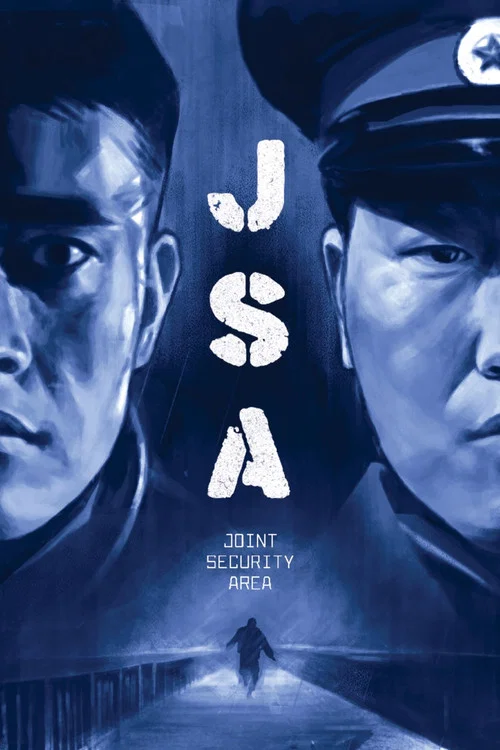
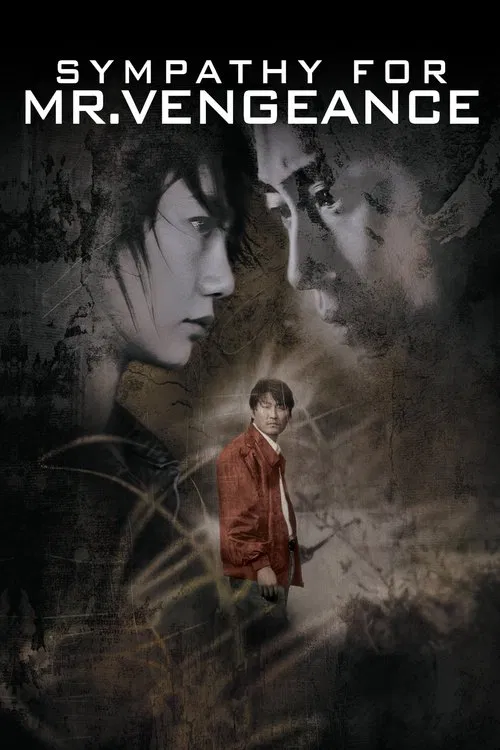
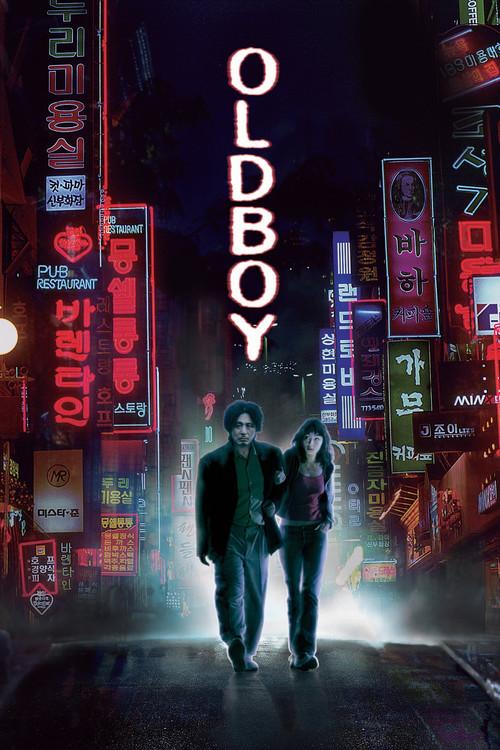
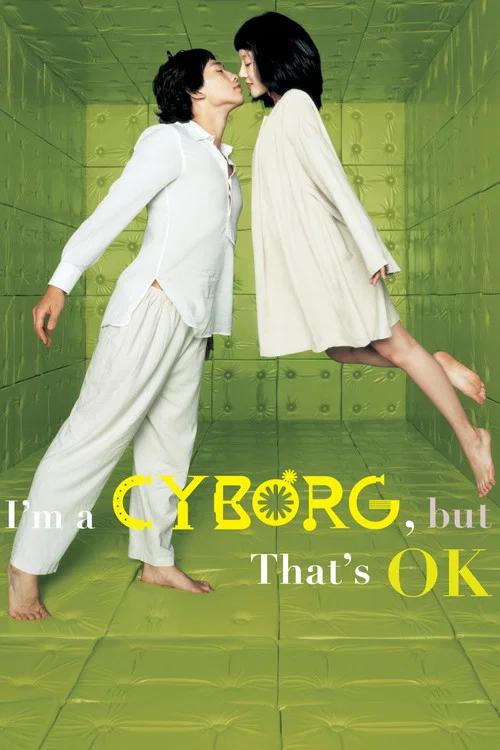
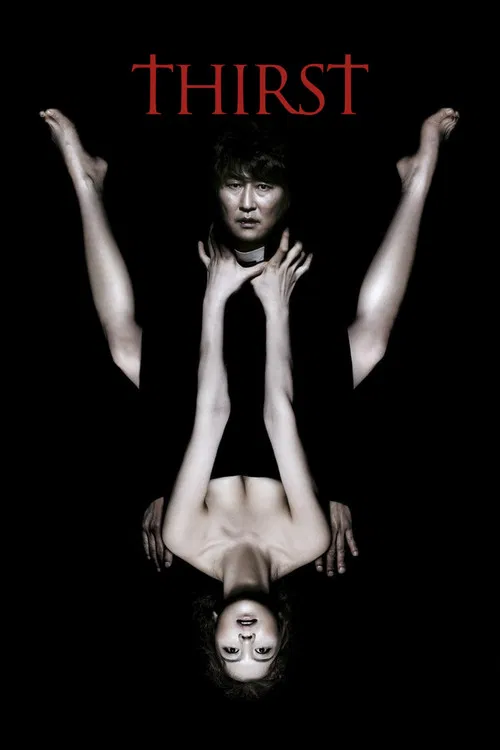
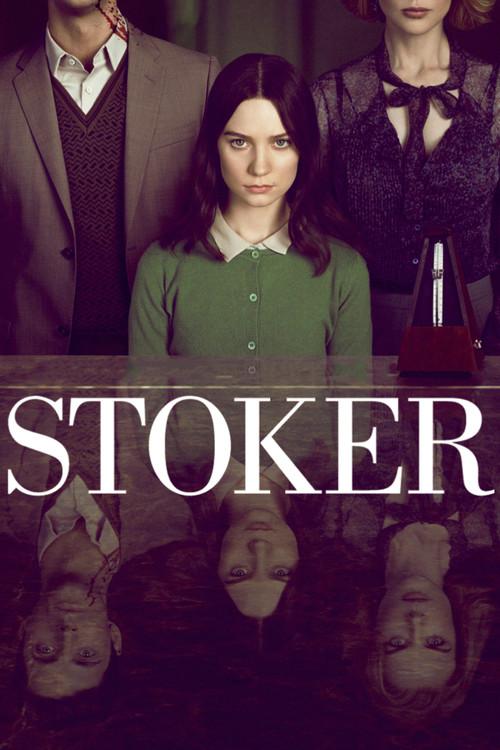
Park Chan-wook directed Lady Vengeance, released in 2005. CineCode also covers Joint Security Area (2000), Sympathy for Mr. Vengeance (2002), Oldboy (2003), I'm a Cyborg, But That's OK (2006), Thirst (2009), Stoker (2013).
What films are similar to Lady Vengeance?
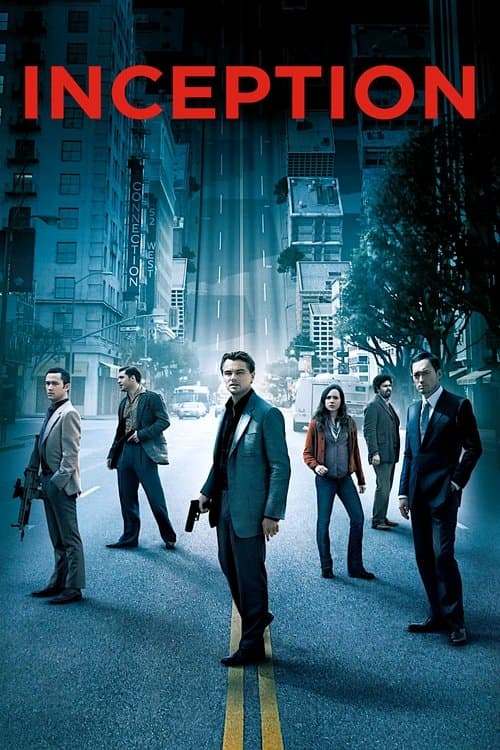
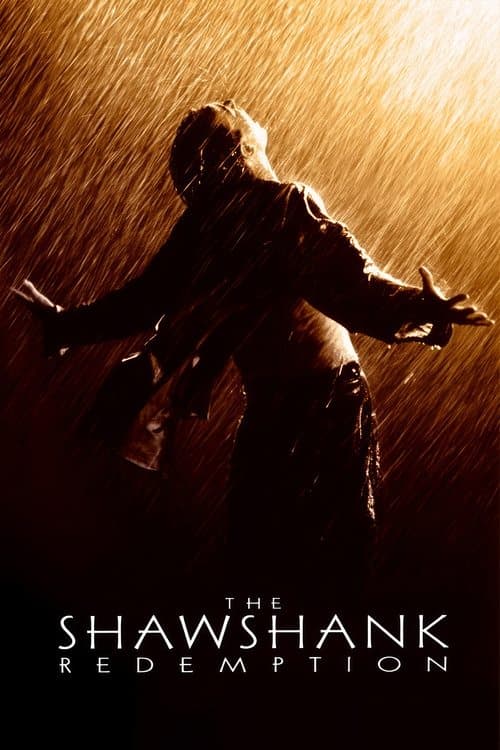
Films that share techniques with Lady Vengeance include Lust, Caution (2007), Babel (2006), Inception (2010), The Shawshank Redemption (1994).