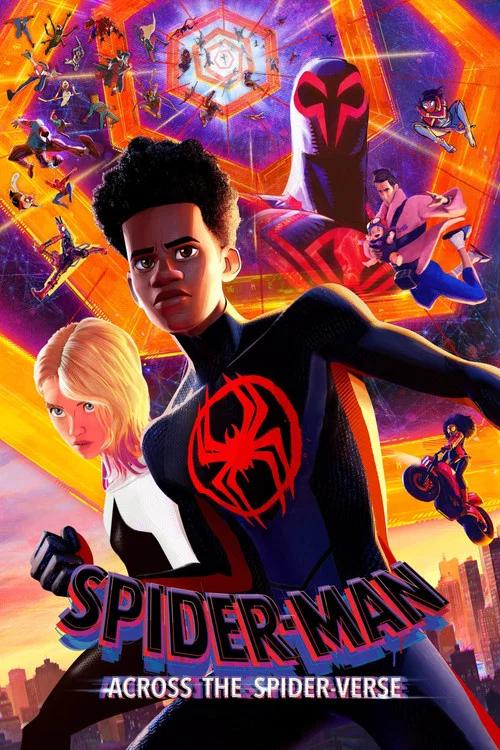
Miles Morales, a teenage Spider-Man from Brooklyn, follows Gwen Stacy into a multiverse full of Spider-People. Their leader, Miguel O'Hara, says certain tragedies have to happen to keep each universe stable. Miles refuses to let his own father become one. Every universe is drawn in its own art style, so it's worth pausing frame by frame.
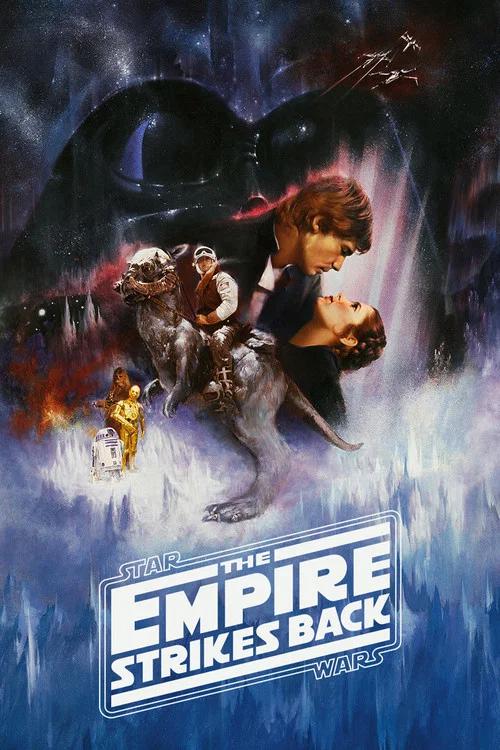
Spider-Man: Across the Spider-Verse is a 2023 animation, action and adventure film directed by Joaquim Dos Santos, Kemp Powers, Justin K. Thompson. This breakdown covers 5 techniques (3 cinematography, 1 psychology and 1 narrative), each with the scene where you can see it. If you like how it is made, Star Wars: The Empire Strikes Back uses several of the same techniques.
Adjusting the film's overall color, such as how warm, cold or vivid it looks, to match a character's emotional state. It can also separate different realities or states of mind.
How this film uses it
Gwen's world, Earth-65, looks like a watercolor painting. The colors in the background shift with how she feels, like a mood ring. You can read her mood from the walls and sky before she says a word.
Where to see it
Gwen's opening. She plays the drums and talks you through her life, and the watercolor backgrounds melt and change color as her feelings change.
Designing each location with its own colors, textures and weather or atmosphere. Moving from one place to another feels like stepping into a different emotional climate.
How this film uses it
Each universe looks drawn by a different artist. Spider-Punk's London looks like a collage cut from punk zines. Gwen's world looks painted in watercolor. You always know where you are at a glance, and each hero carries that style with them.
Where to see it
The fight in Mumbattan, a city that mixes Mumbai and Manhattan. Miles, Gwen, Pavitr and Hobie fight the Spot together, and each hero keeps their own drawing style inside the same frame.
Bringing live-action camera thinking and fine detail to animation, with realistic landscapes, lenses and varied frame rates. The images feel more physical than a drawing usually does.
How this film uses it
Most characters are animated on 2s, a new pose every 2 frames, which gives a slightly choppy comic-book feel. Spider-Punk goes further. His body and his guitar move at different rates, so he looks like a cut-and-paste punk poster that came to life.
Where to see it
Hobie in action. Spider-Punk's jittery collage movement clashes with the smoother characters fighting next to him.
Pairing the main character with a second character who mirrors them. The double shows what the hero wants, fears or secretly is.
How this film uses it
The film ends by showing Miles a version of himself from Earth-42. That is the world the spider that bit him came from, so its Miles never became Spider-Man. He is the Prowler, a criminal. He's who Miles might have been, which makes the fight against fate personal.
Where to see it
Earth-42. Miles lands in the wrong universe, where his uncle Aaron is still alive, and comes face to face with that world's Miles in the Prowler suit.
Ending the film at its most unresolved point, with the hero beaten, separated from others or in crisis. You are left waiting for a sequel to settle things.
How this film uses it
The film stops mid-story with Miles trapped on Earth-42 and Gwen gathering a team to find him. Nothing is resolved, and the story carries over into the next film. For a blockbuster, ending on the lowest point is a fairly bold move.
Where to see it
The final scene. Miles is held prisoner in the wrong universe while Gwen pulls together her own band of Spider-People to rescue him.
Questions
Spider-Man: Across the Spider-Verse: quick answers
What filmmaking techniques does Spider-Man: Across the Spider-Verse use?
CineCode breaks down 5 techniques in Spider-Man: Across the Spider-Verse (2023): Color Grading as Psychology, World as Visual Biome, Animated Realism Craft, Psychological Doubling and Cliffhanger Ending.
Who directed Spider-Man: Across the Spider-Verse?
Joaquim Dos Santos, Kemp Powers, Justin K. Thompson directed Spider-Man: Across the Spider-Verse, released in 2023.
What films are similar to Spider-Man: Across the Spider-Verse?
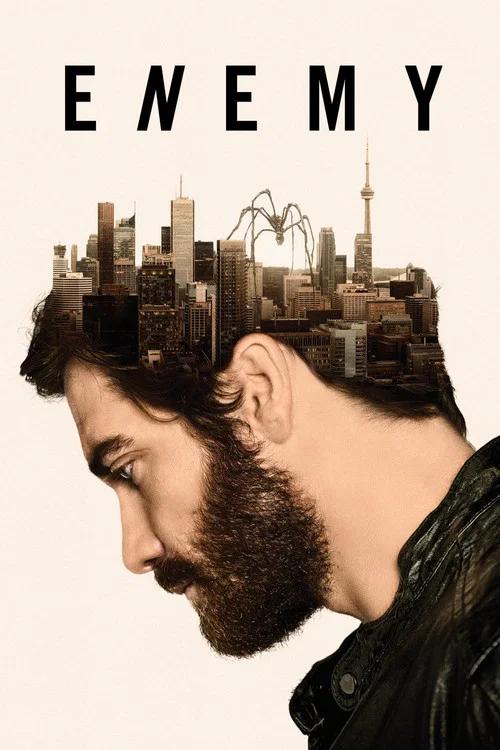
Films that share techniques with Spider-Man: Across the Spider-Verse include Star Wars: The Empire Strikes Back (1980), Enemy (2014), Black Swan (2010), Fight Club (1999).