Drama · History

The Zone of Interest

Jonathan Glazer, 2023

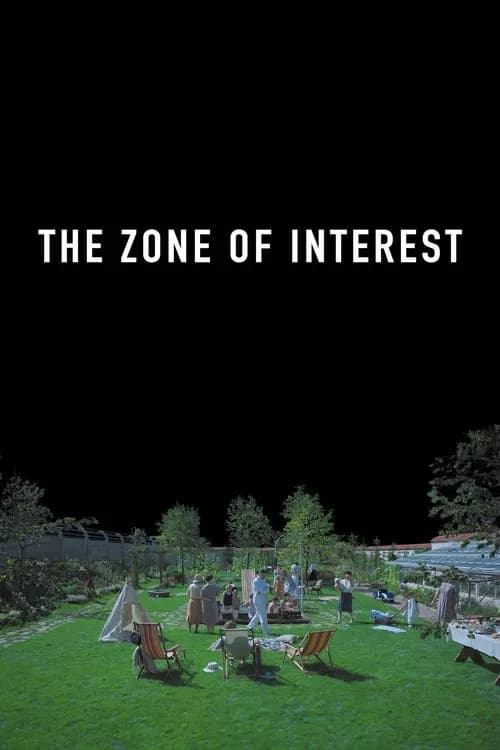
The commandant of Auschwitz and his wife build an idyllic family life in a house next to the camp wall. Glazer's film watches them and never goes inside the camp, so you hear the atrocity and never see it. It is the most radical approach to filming the Holocaust in cinema history.

The Zone of Interest (2023) poster

At a glance

The Zone of Interest is a 2023 drama and history film directed by Jonathan Glazer. This breakdown covers 4 techniques (2 cinematography, 1 narrative and 1 sound), each with the scene where you can see it. If you like how it is made, 12 Years a Slave uses several of the same techniques.

Video breakdown

More on YouTube ↗

Cinematography

Off-Screen Atrocity

Keeping the worst violence outside the frame. You hear it or see its effects and other people's reactions, and your imagination does the rest.

How this film uses it

The camp is never shown. Its sounds (trains, shots, screams, machinery) are constant on the soundtrack, and the smoke is always there. The Höss family goes on with their home life while these sounds continue. Everything the film has to say comes from putting those 2 things side by side. The horror is exactly what the frame leaves out, which is exactly how the perpetrators experienced it.

Where to see it

Pretty much any domestic scene. The children play in the garden while you hear the camp behind the wall. The film is making its main point this way the whole time.
Narrative

Observational Restraint

Watching events from a measured distance with no swelling music, tear-jerking close-ups or showy camera moves. The film trusts what happens to carry the weight on its own.

How this film uses it

Glazer uses fixed cameras, placed like surveillance equipment. They watch the Höss household with no dramatic framing and no hint about what to think. The camera doesn't react to what it sees. That restraint is the point, because this is what normal life looked like. Since the film won't comment, you also lose the comfortable distance that a conventional horror drama gives you.

Where to see it

The scenes at the Höss house, shot by fixed cameras placed around it. The camera watches family life from a fixed position. The ordinary life and the horror you can hear get equal weight on screen.

Sound

Diegetic Sound Design

Using sounds the characters themselves can hear, like footsteps, radios or traffic, to build tension or show how someone feels. The sound does more than make the scene realistic.

How this film uses it

Johnnie Burn's sound design does most of the film's work. Mica Levi wrote the sparse score. The camp's sounds are mixed so you can hear them without being overwhelmed. They are present and never pushed to the front. This is diegetic sound, meaning sound that comes from inside the world of the story. It is the film's Holocaust. The characters have gotten used to it, and the film won't let you get used to it. The level is set just right, so you can't escape it.

Where to see it

The breakfast sequence. The family's morning routine plays out over the constant background sound of the camp. With that sound there, you can't accept the routine as normal.

Cinematography

Architectural Class Opposition

Contrasting the buildings and rooms different social classes live in. The powerful get large, warm spaces and the powerless get cramped or exposed ones, so you see a gap nobody says aloud.

How this film uses it

The Höss house (garden, greenhouse, swimming pool, children's rooms) sits right next to the camp wall. This closeness is the most literal device in the film: maximum comfort and maximum horror share a wall. Glazer photographs the beauty of the house without irony. That puts you inside the perpetrators' own view of their home life.

Where to see it

The garden and the wall. The beautiful home and the camp wall sit in the same frame, and that single shot sums up what the film is saying.

Questions

The Zone of Interest: quick answers

What filmmaking techniques does The Zone of Interest use?
CineCode breaks down 4 techniques in The Zone of Interest (2023): Off-Screen Atrocity, Observational Restraint, Diegetic Sound Design and Architectural Class Opposition.
Who directed The Zone of Interest?
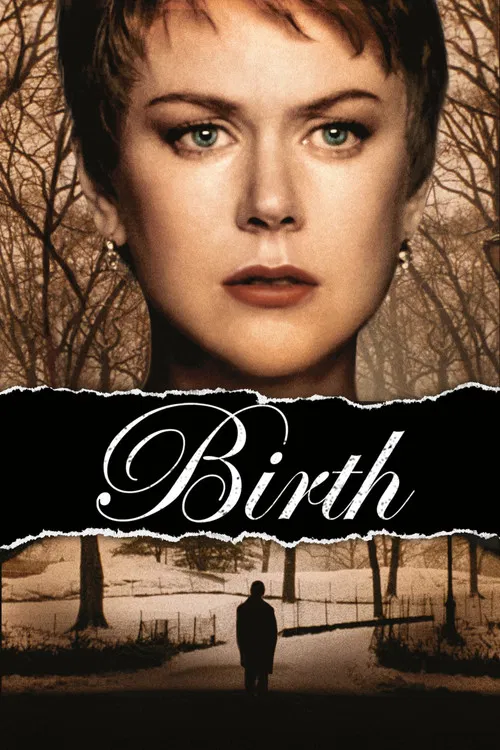
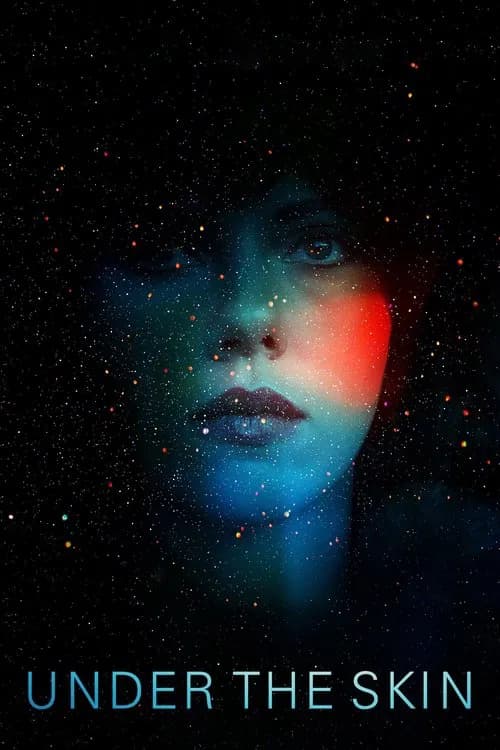
Jonathan Glazer directed The Zone of Interest, released in 2023. CineCode also covers Sexy Beast (2001), Birth (2004), Under the Skin (2013).
What films are similar to The Zone of Interest?
Films that share techniques with The Zone of Interest include 12 Years a Slave (2013), Au Revoir les Enfants (1987), Gosford Park (2001), War of the Worlds (2005).
Is there a video breakdown of The Zone of Interest?
Yes. There is a short video breakdown of The Zone of Interest on the CineCode YouTube channel, embedded on this page.