Adventure · Fantasy · War

The Hobbit: The Battle of the Five Armies

Peter Jackson, 2014

With Smaug dead, dwarves, elves and men argue over the gold in the Lonely Mountain while an orc army marches on them. The dwarf king Thorin sinks into greed as war gets close. Worth watching as a filmmaker for how a long battle is anchored by a few personal fights.

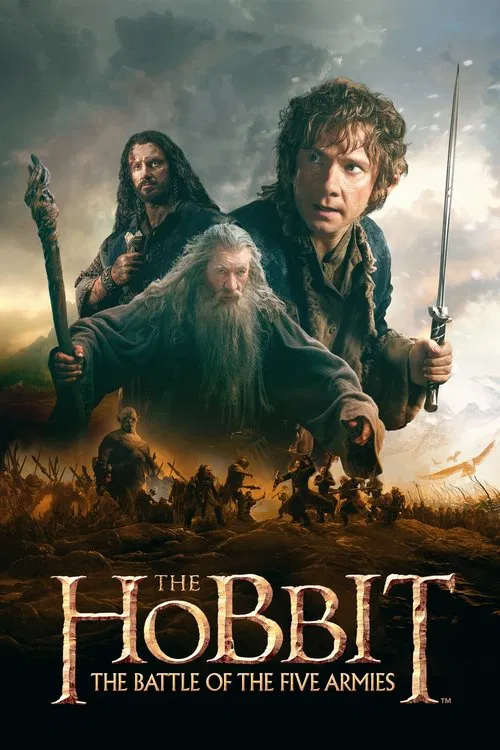
The Hobbit: The Battle of the Five Armies (2014) poster

At a glance

The Hobbit: The Battle of the Five Armies is a 2014 adventure, fantasy and war film directed by Peter Jackson. This breakdown covers 4 techniques (1 cinematography, 2 narrative and 1 sound), each with the scene where you can see it. If you like how it is made, Synecdoche, New York uses several of the same techniques.

Cinematography

Siege Cinema

Staging a conflict as a long fight over a physical place, such as an assault on a fortress. Walls, streets, darkness and weather all become part of the drama.

How this film uses it

Most of the film is about holding or taking one place, the Lonely Mountain and the ruins of Dale around it. Walls, gates and ground decide who can move where. The armies' positions matter because the fight is over a physical place.

Where to see it

Sealed mountain: Thorin shuts the entrance after hearing that Laketown survivors have gone to Dale, and the armies gather outside.
Narrative

Obsession as Structural Engine

Building the whole plot on one character's fixation with a person, goal or rival. Every scene ties back to it, and the obsession keeps feeding itself while it destroys them.

How this film uses it

Thorin's hunt for the Arkenstone drives the plot. His greed pushes him to seal the mountain and nearly kill Bilbo. The film lets you see how a fixation can turn a good leader into someone his friends fear.

Where to see it

Arkenstone: Thorin searches for the jewel Bilbo hid. When Bilbo gives it to Thranduil and Bard, Thorin nearly kills him.

Sound

Thematic Musical Identity

Giving each character, culture or place its own musical theme, and changing those themes as the story develops. The music tells you things the images and dialogue hold back.

How this film uses it

Howard Shore gives new groups their own themes, including Dain, the orc fortress of Gundabad and the dwarves' war preparations. The Gundabad theme uses a didgeridoo chorus. The music tells you who is on screen before you see their faces.

Where to see it

Battle of the Five Armies: Dwarves, elves, men and orcs clash outside the mountain until the eagles arrive.

Narrative

Circular Structure

Ending the film where it started, or with a scene that echoes the opening. The repeat shows what has changed, or suggests the cycle will keep going.

How this film uses it

The last scenes return to Bilbo's home, where he finds his things being auctioned. Sixty years later, Gandalf visits him on his 111th birthday, which echoes the start of the whole trilogy. The echo shows how much has changed for Bilbo.

Where to see it

Bag End auction: Bilbo returns to find his belongings being sold and stops the sale. Sixty years later, Gandalf visits.

Questions

The Hobbit: The Battle of the Five Armies: quick answers

What filmmaking techniques does The Hobbit: The Battle of the Five Armies use?
CineCode breaks down 4 techniques in The Hobbit: The Battle of the Five Armies (2014): Siege Cinema, Obsession as Structural Engine, Thematic Musical Identity and Circular Structure.
Who directed The Hobbit: The Battle of the Five Armies?
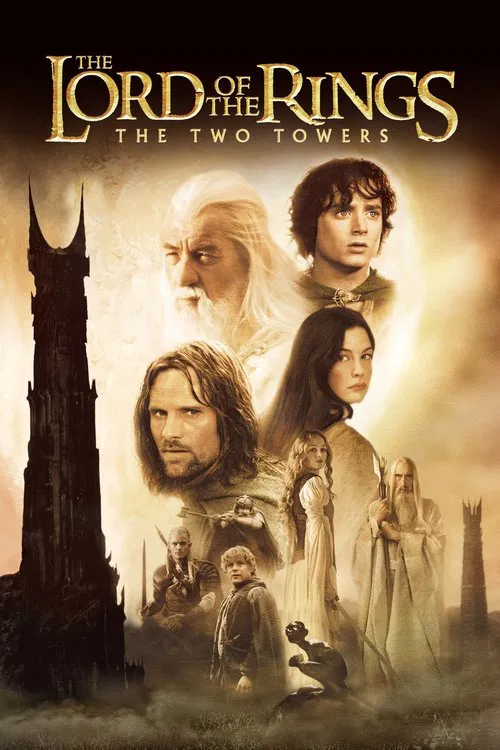
Peter Jackson directed The Hobbit: The Battle of the Five Armies, released in 2014. CineCode also covers Bad Taste (1987), Braindead (1992), Heavenly Creatures (1994), The Frighteners (1996), The Lord of the Rings: The Fellowship of the Ring (2001), The Lord of the Rings: The Two Towers (2002).
What films are similar to The Hobbit: The Battle of the Five Armies?
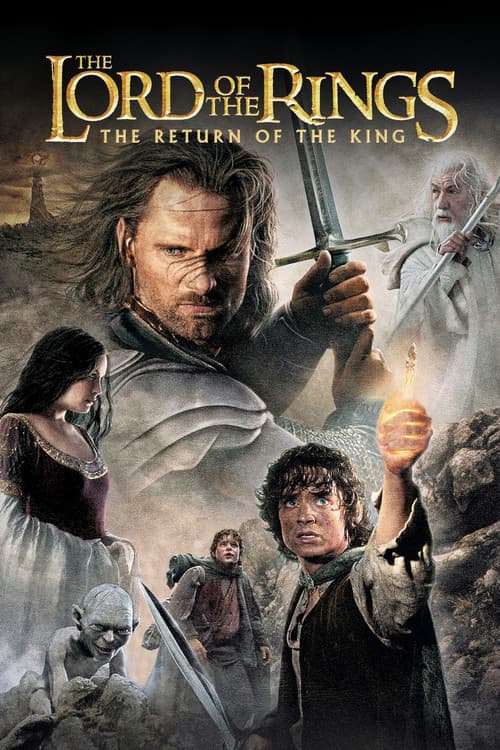
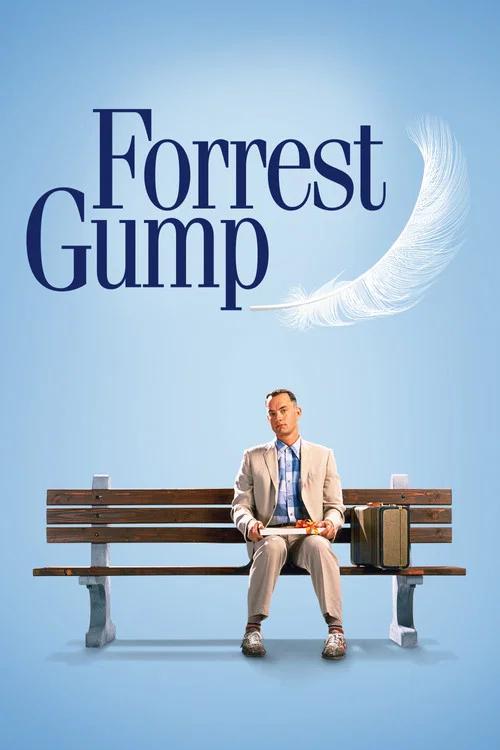
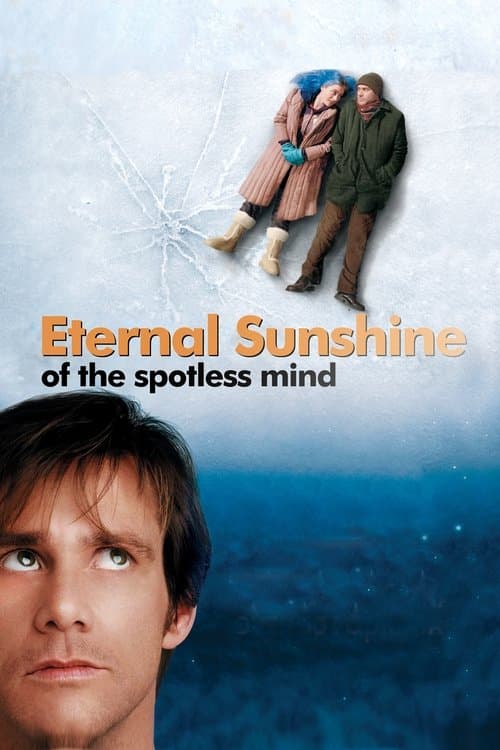
Films that share techniques with The Hobbit: The Battle of the Five Armies include Synecdoche, New York (2008), Eternal Sunshine of the Spotless Mind (2004), The Lord of the Rings: The Return of the King (2003), Forrest Gump (1994).