Horror · Comedy · Fantasy

The Frighteners

Peter Jackson, 1996

After his wife dies, architect Frank Bannister can see ghosts. He now cons people with the help of ghost friends, until a hooded figure starts killing townspeople and marking them with numbers. Worth watching as a filmmaker for how early digital ghosts get mixed with jokes and scares.

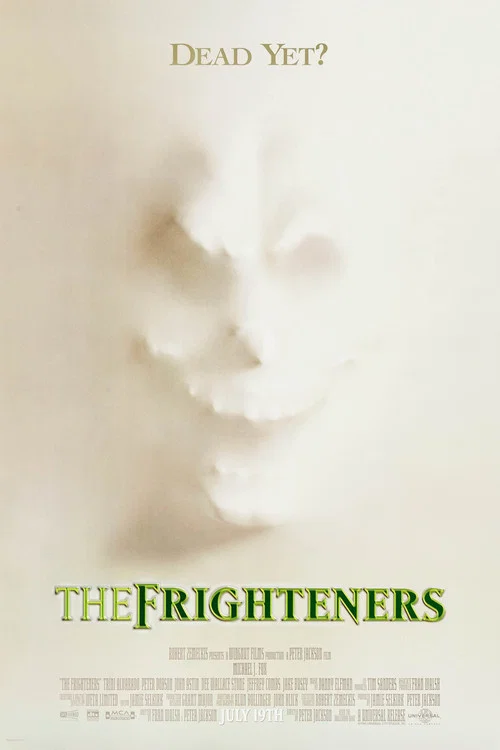
The Frighteners (1996) poster

At a glance

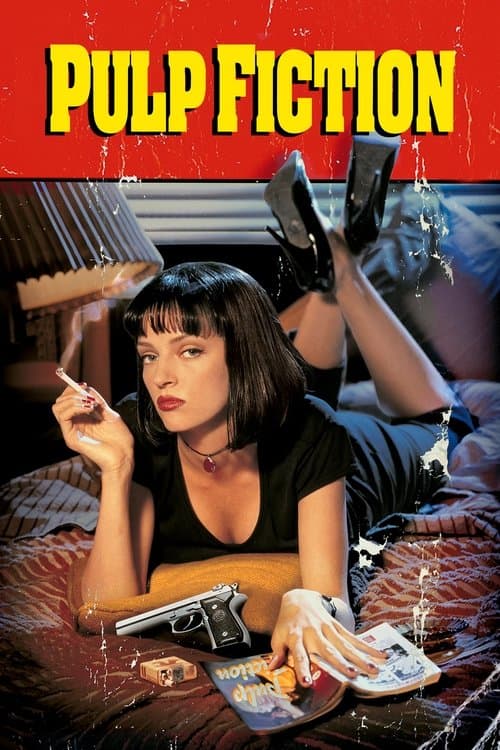
The Frighteners is a 1996 horror, comedy and fantasy film directed by Peter Jackson. This breakdown covers 5 techniques (2 narrative, 2 cinematography and 1 psychology), each with the scene where you can see it. If you like how it is made, Pulp Fiction uses several of the same techniques.

Narrative

Genre Collage

Mixing several genres in 1 film, such as crime, romance, horror and absurd comedy. The clash between them keeps you from settling into a single way of watching.

How this film uses it

The film jumps between ghost comedy, murder mystery and horror, sometimes inside one scene. A joke about a fake exorcism can lead straight into a killing. That clash keeps you from knowing how to feel.

Where to see it

Lynskey house job: Frank and his ghost partners haunt a client's home so he can charge to remove them. The same story soon turns to murder.
Cinematography

Photorealistic CGI Pioneering

Making images entirely by computer and tuning the surfaces, lighting and focus to look like live-action photography. At its best, you can't tell what was filmed and what was rendered.

How this film uses it

The ghosts and the hooded figure were made with computer effects, in a film that needed more digital shots than almost any movie before it. The studio doing them was young and had mostly worked with physical effects. The result is a first look at how far digital creatures could be made to feel present.

Where to see it

Reaper attack: The hooded figure kills a man marked with a number, and Frank watches it happen.

Cinematography

Acting to Absent Partners

Shooting an actor against empty air, with the other performer added later. The actor has to play to someone who is not there.

How this film uses it

The ghost scenes were shot twice, once with the human actors on set and once with the ghost actors against a blue screen. Actors had to deliver lines to empty air. When Frank talks to a ghost in a room full of people, the effect is that he looks strange to everyone but you.

Where to see it

Lynskey house job: Frank speaks to his ghost partners, who only he can see, while the living people in the room see him talking to nothing.

Psychology

Trauma Shaping Perception

Letting a character's past damage change what they see or feel in the present. Symptoms and visions act as metaphors for what happened.

How this film uses it

Frank's crash and his wife's death are what let him see the dead. His gift marks him as odd, and others suspect him of murder. You never see it as a prize, because it grew out of his loss.

Where to see it

Frank's accident: After a drunken car crash, his wife Debra is found dead, and Frank soon finds he can see and speak with ghosts.

Narrative

Retroactive Reframing Revelation

Saving a reveal for the climax that changes the meaning of every scene before it. You have to rebuild the whole film in your head with the new knowledge.

How this film uses it

The last act reveals who really carved the numbers and why. Earlier scenes, including the Frank and Debra backstory, mean something different once you know. You find yourself rebuilding the film in your head.

Where to see it

Sanatorium finale: Frank's visions show that Patricia took part in the killings in 1964 and later carved the number into Debra.

Questions

The Frighteners: quick answers

What filmmaking techniques does The Frighteners use?
CineCode breaks down 5 techniques in The Frighteners (1996): Genre Collage, Photorealistic CGI Pioneering, Acting to Absent Partners, Trauma Shaping Perception and Retroactive Reframing Revelation.
Who directed The Frighteners?
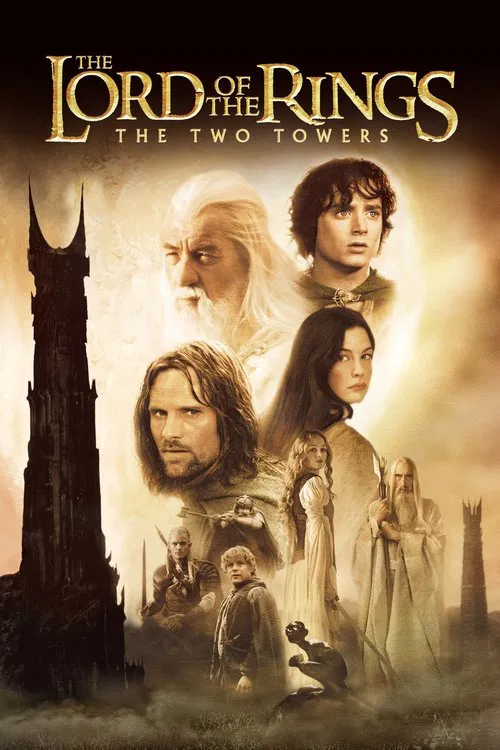
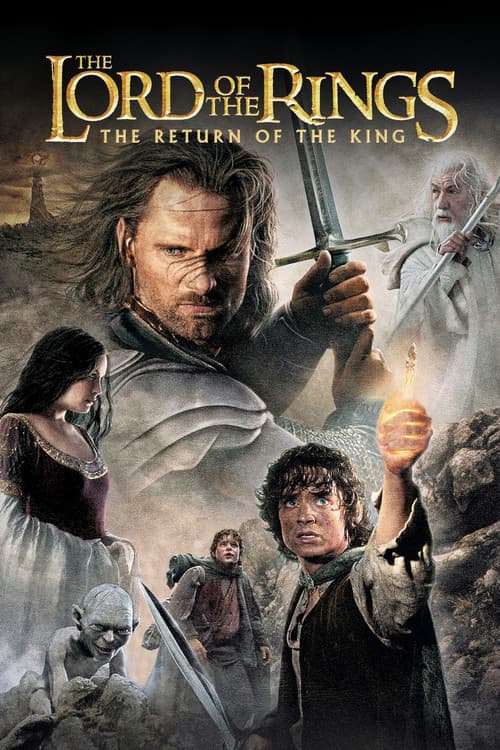
Peter Jackson directed The Frighteners, released in 1996. CineCode also covers Bad Taste (1987), Braindead (1992), Heavenly Creatures (1994), The Lord of the Rings: The Fellowship of the Ring (2001), The Lord of the Rings: The Two Towers (2002), The Lord of the Rings: The Return of the King (2003).
What films are similar to The Frighteners?
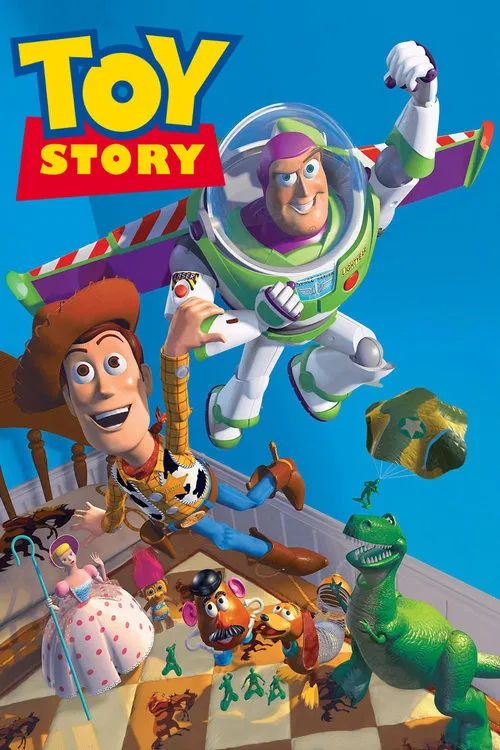
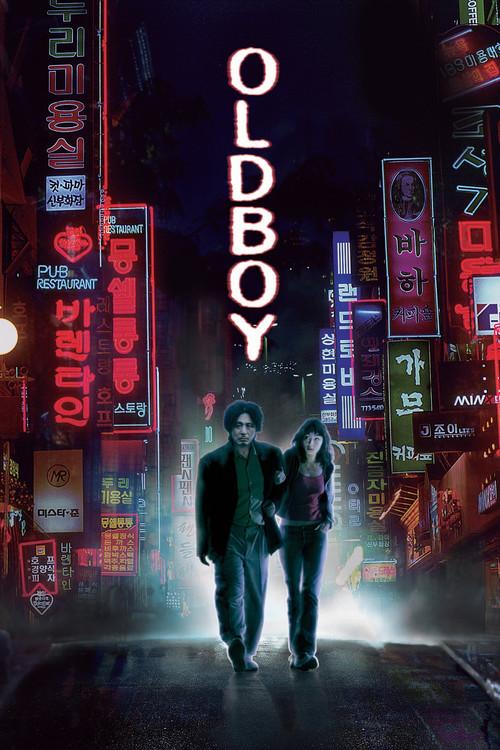
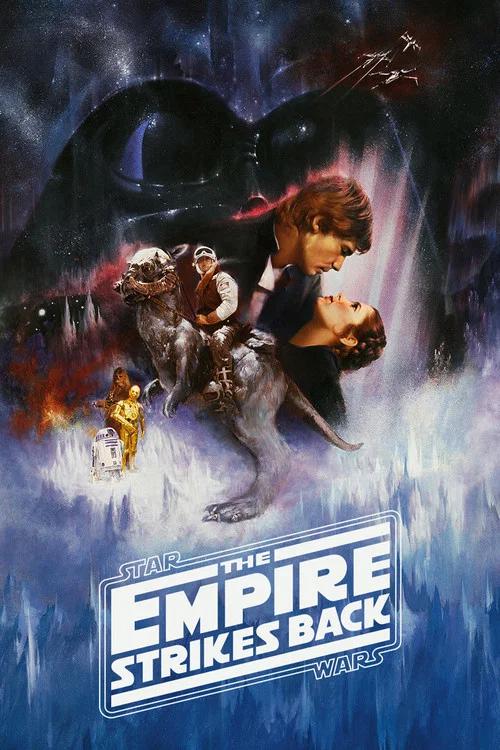
Films that share techniques with The Frighteners include Pulp Fiction (1994), Star Wars: The Empire Strikes Back (1980), Toy Story (1995), Oldboy (2003).