Drama · Crime · Biography

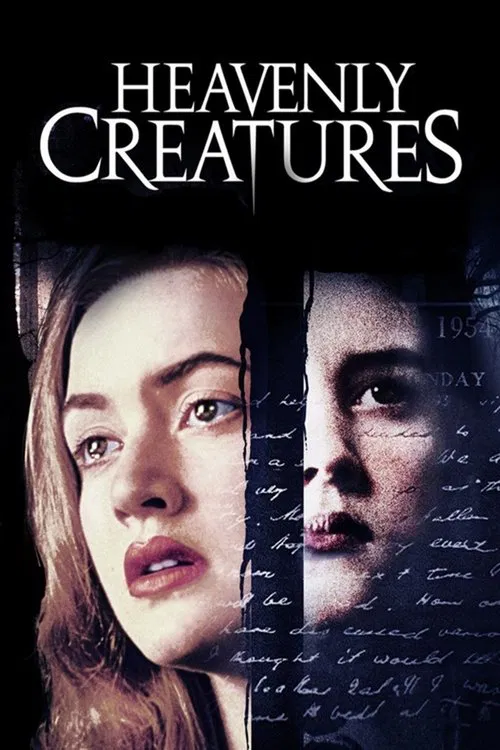
Heavenly Creatures

Peter Jackson, 1994

In 1950s Christchurch, two teenage girls, Pauline and Juliet, form a bond so close that they build a fantasy kingdom together. When adults try to pull them apart, they plan a murder, based on a real case. Worth watching as a filmmaker for how their daydreams look as real as the town.

Heavenly Creatures (1994) poster

At a glance

Heavenly Creatures is a 1994 drama, crime and biography film directed by Peter Jackson. This breakdown covers 4 techniques (2 narrative, 1 psychology and 1 cinematography), each with the scene where you can see it. If you like how it is made, Amadeus uses several of the same techniques.

Narrative

Proleptic Opening

Starting the film by showing or telling you how it ends, such as the main character's death or defeat. The rest of the story then explains how things got there.

How this film uses it

The film shows you the aftermath before it shows you the friendship. That means every sweet scene afterward carries dread. You watch the girls play, knowing where it leads.

Where to see it

Opening montage: A cheerful travelogue-style look at Christchurch is cut short by the two girls running through a park, screaming and covered in blood.
Psychology

Psychological Doubling

Pairing the main character with a second character who mirrors them. The double shows what the hero wants, fears or secretly is.

How this film uses it

Pauline is a working-class girl and Juliet comes from a wealthy English family. Together they start to act like one person, finishing each other's thoughts and sharing the same visions. One reading is that each girl becomes what the other lacks.

Where to see it

Port Levy trip: Faced with being left alone, Juliet shares a vision of the Fourth World, a paradise the girls come to believe in together.

Cinematography

Visual Literalization of Inner State

Showing an inner problem as something you can see, such as a visible lie, a blurred actor or a fully built imagination. The idea becomes a physical sight.

How this film uses it

Borovnia, the kingdom the girls invent, is built with plasticine figures, more than 70 latex costumes for its crowds and digital effects such as a morphing garden. It looks as solid as Christchurch, so you understand why the girls prefer it. That makes it harder to see where the fantasy ends.

Where to see it

Borovnia: The girls step into their invented kingdom, where clay-like figures crowd the screen and the world bends to their stories.

Narrative

Obsession as Structural Engine

Building the whole plot on one character's fixation with a person, goal or rival. Every scene ties back to it, and the obsession keeps feeding itself while it destroys them.

How this film uses it

The girls' fixation on each other drives every turn of the plot. When their parents try to separate them, the story speeds toward violence. The film lets you feel how a bond can feed itself until it destroys them.

Where to see it

Victoria Park: The girls drop a pink charm on a steep path. When Pauline's mother, Honora, bends to pick it up, they hit her with a brick hidden in a stocking.

Questions

Heavenly Creatures: quick answers

What filmmaking techniques does Heavenly Creatures use?
CineCode breaks down 4 techniques in Heavenly Creatures (1994): Proleptic Opening, Psychological Doubling, Visual Literalization of Inner State and Obsession as Structural Engine.
Who directed Heavenly Creatures?
Peter Jackson directed Heavenly Creatures, released in 1994. CineCode also covers Bad Taste (1987), Braindead (1992), The Frighteners (1996), The Lord of the Rings: The Fellowship of the Ring (2001), The Lord of the Rings: The Two Towers (2002), The Lord of the Rings: The Return of the King (2003).
What films are similar to Heavenly Creatures?
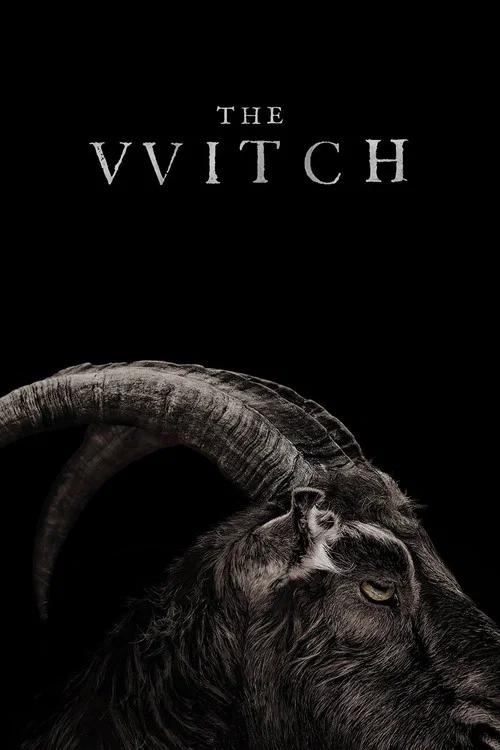
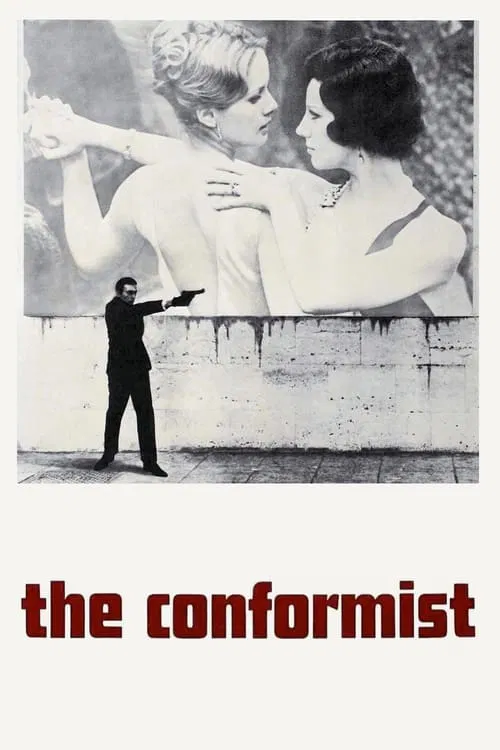
Films that share techniques with Heavenly Creatures include Amadeus (1984), Persona (1966), The Witch (2015), The Conformist (1970).