Coleman Silk, a classics professor, is forced out of his college after a remark about two absent students is called racist. He begins an affair with a younger woman and asks writer Nathan Zuckerman to help tell his story. Flashbacks reveal what Coleman has hidden for decades.
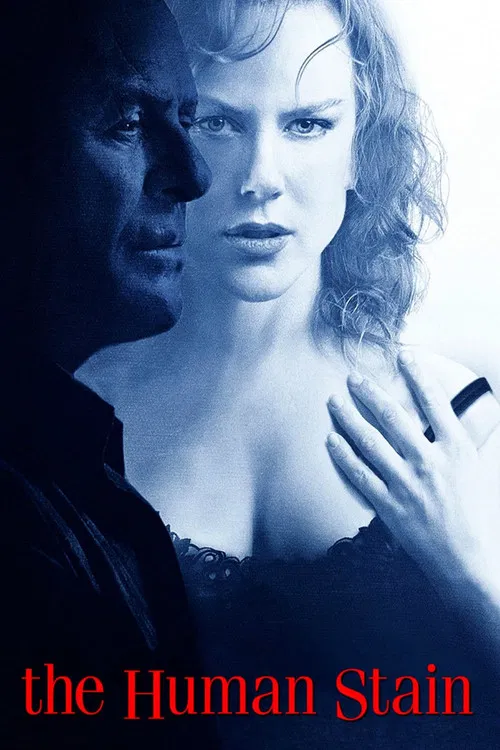
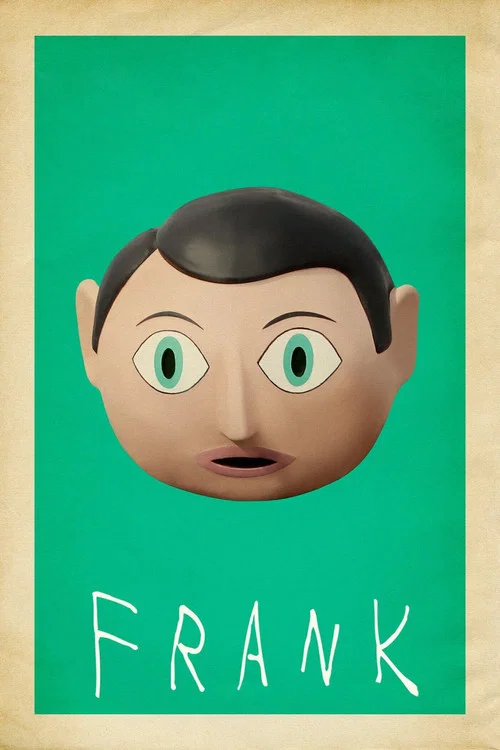
The Human Stain is a 2003 drama and romance film directed by Robert Benton. This breakdown covers 4 techniques (1 psychology and 3 narrative), each with the scene where you can see it. If you like how it is made, Frank uses several of the same techniques.
Showing a character's sense of self being built, borrowed or stripped away by pressure, roles or the group. Who they are shifts with what they wear, say or join.
How this film uses it
Coleman has built a new self and given up his family to do it. Flashbacks show how much the choice cost him. The film asks you what a person owes to the self they invented.
Where to see it
Coleman's flashbacks: The young Coleman, played by Wentworth Miller, makes the choices that create the man he becomes.
Holding back the main character's origin and motive until the final scene. The gap creates dread and fascination through the whole film, and the answer is the last thing you learn.
How this film uses it
For much of the film you do not know why Coleman acts the way he does. Flashbacks reveal he is African American and has passed as Jewish for most of his adult life. The secret changes how you see his whole story.
Where to see it
The reveal: Flashbacks show that Coleman is an African American man who has passed as Jewish.
Showing a community turn into its own informal court, outside the legal system. Mob logic and social pressure take the place of legal process, the same way a rumor hardens into a conviction.
How this film uses it
The faculty at Athena College turn on Coleman over his remark. His career ends and his wife dies soon after, so the college acts like a court with no due process.
Where to see it
The resignation: Coleman leaves Athena College after being accused of making a racist remark in class.
Cutting back and forth between 2 timelines, often past and present. Each one helps explain the other as the film goes on.
How this film uses it
The film cuts from the late 1990s to Coleman's youth to explain the present. The past arrives in pieces, so you learn his secret bit by bit.
Where to see it
Coleman's flashbacks: Scenes from the young Coleman's life interrupt the late 1990s story of his affair with Faunia Farley and explain what he is hiding.
Questions
The Human Stain: quick answers
What filmmaking techniques does The Human Stain use?
CineCode breaks down 4 techniques in The Human Stain (2003): Identity Construction and Loss, Withheld Backstory Revelation, Community as Tribunal and Parallel Chronology.
Who directed The Human Stain?
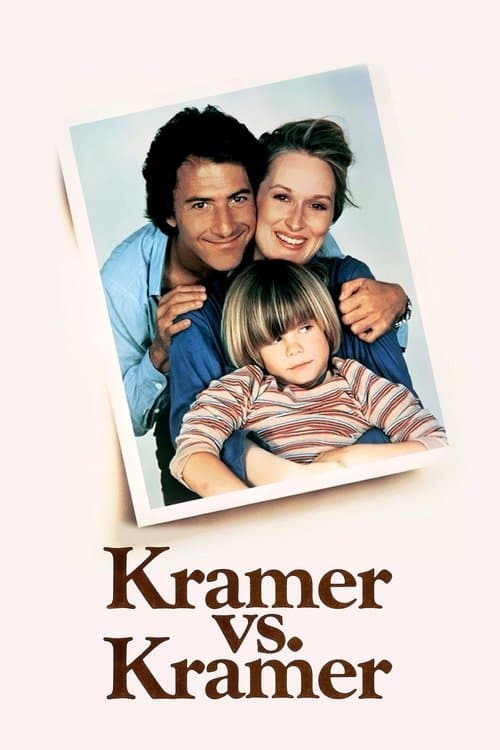
Robert Benton directed The Human Stain, released in 2003. CineCode also covers Kramer vs. Kramer (1979).
What films are similar to The Human Stain?
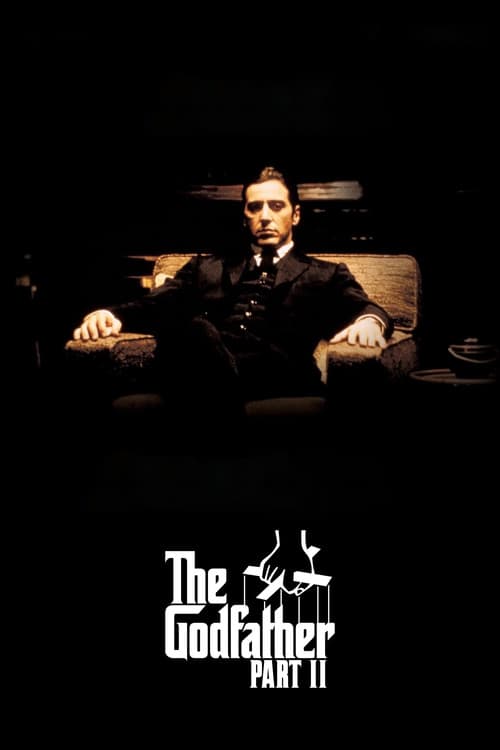
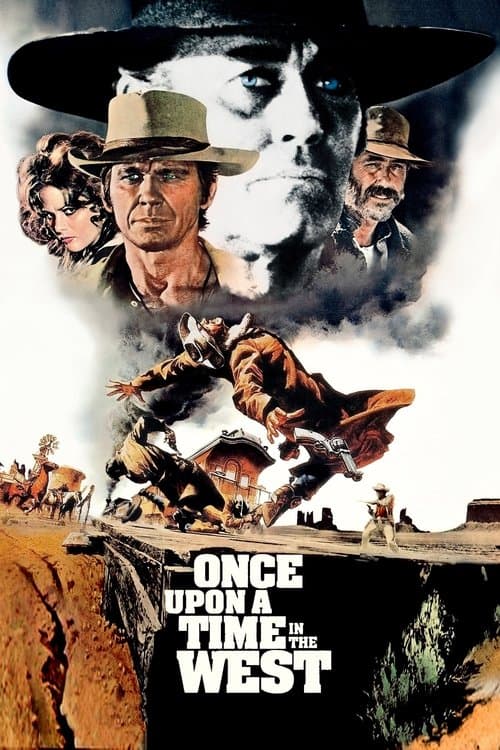
Films that share techniques with The Human Stain include Frank (2014), The Godfather Part II (1974), The Hunt (2012), Once Upon a Time in the West (1968).