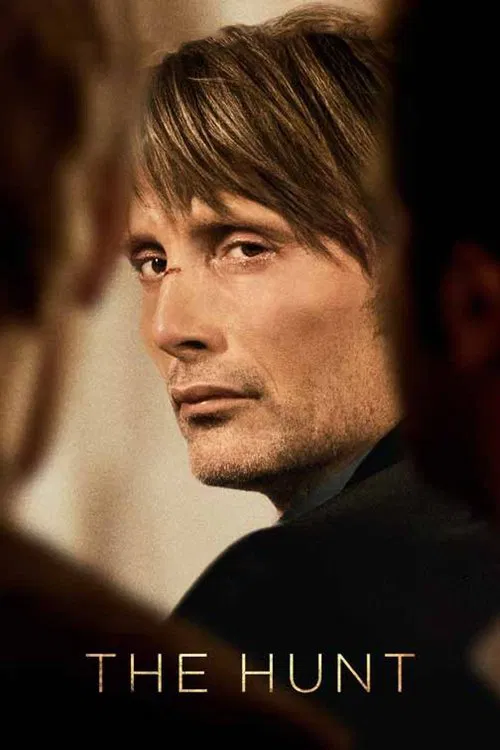
A kindergarten teacher in a small Danish town is falsely accused of child abuse after a young girl says something careless. He watches his community turn into a court that won't listen to any evidence in his favor. It's a fairly harrowing look at how a community destroys what it can't understand.
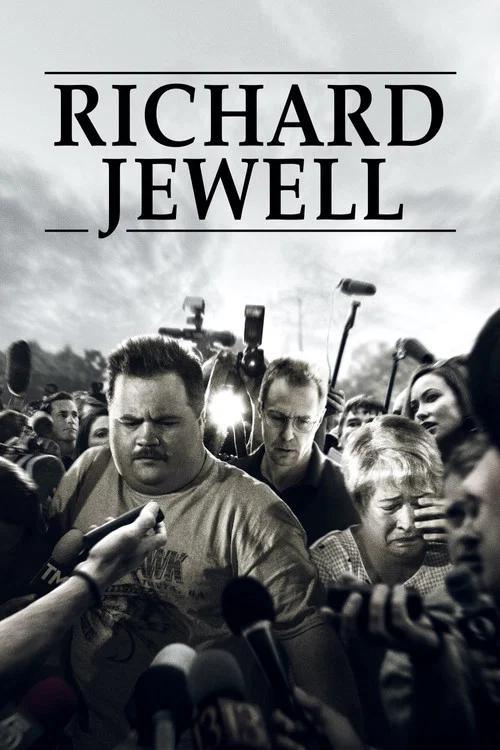
The Hunt is a 2012 drama and thriller film directed by Thomas Vinterberg. This breakdown covers 5 techniques (2 narrative, 1 psychology, 1 cinematography and 1 editing), each with the scene where you can see it. If you like how it is made, Richard Jewell uses several of the same techniques.
Showing a community turn into its own informal court, outside the legal system. Mob logic and social pressure take the place of legal process, the same way a rumor hardens into a conviction.
How this film uses it
Vinterberg shows you each step of how the town turns on Lucas. First comes a whisper, then the official response, then growing certainty and finally the whole town punishing him together. No single person is a monster. The people judging him are ordinary, and each one makes a choice you can understand on its own. Added together, those choices destroy an innocent man.
Where to see it
The supermarket confrontation. The store staff attack Lucas and throw him out. That's the town's verdict, delivered with no trial.
Putting an innocent person under blame or suspicion and showing the damage it does to them and those near them. The accusation distorts the community's judgment.
How this film uses it
Klara's first statement is vague and hesitant, and an adult's leading question shapes it. By the time it has spread through the town, it has become certain, detailed and impossible to challenge. The film never suggests that children lie. It looks at how adults take a child's words and turn them into something else.
Where to see it
The counselor's interview with Klara. You watch the leading questions come first. Then the adult confirms what the child only tentatively offered.
Filming characters from far away with a telephoto lens, which flattens the space between things. It feels like a documentary, with the camera as an uninvited witness to something real.
How this film uses it
Vinterberg and cinematographer Charlotte Bruus Christensen often watch the town from across rooms and across streets. It feels voyeuristic, like you're spying on a village from outside. That matches the film's point that judging your neighbors is a kind of surveillance.
Where to see it
The Christmas church scene. The camera watches the congregation as Lucas confronts Theo. You can read the mood of the room before anyone speaks.
Setting the film's most violent social confrontations during Christmas, with its lights, carols and community warmth. The cozy ritual ends up holding its opposite.
How this film uses it
Lucas's confrontation at the church happens during the Christmas service. This is the community's most formal ritual of togetherness, and it becomes the moment they reject him most openly. The candles, the carols and the dressed-up families carry on around the violence as if nothing about it clashes.
Where to see it
Lucas confronting Theo in the church. The Christmas setting makes his exclusion look like a religious verdict.
Organizing the whole film around one extended metaphor, such as a hunt, a list of sins or a body as machine, so the plot becomes the figure's illustration.
How this film uses it
The final sequence shows the next autumn's hunt, where Marcus has his first rifle. It's a rite of passage, and it should mean he now belongs to the community. Then a shot rings out near Lucas. The film leaves it unclear on purpose: it could be an accident, a warning or attempted murder. All through the film, the town has been the hunter and Lucas the prey. Here that becomes literal, at the same moment the community declares peace.
Where to see it
The shot in the forest. The film never explains the near miss, which tells you nothing has really ended.
Questions
The Hunt: quick answers
What filmmaking techniques does The Hunt use?
CineCode breaks down 5 techniques in The Hunt (2012): Community as Tribunal, Wrongful Accusation Pressure, Long-Lens Social Observation, Christmas Ritual Horror and Central Metaphor Structure.
Who directed The Hunt?
Thomas Vinterberg directed The Hunt, released in 2012. CineCode also covers Another Round (2020).
What films are similar to The Hunt?
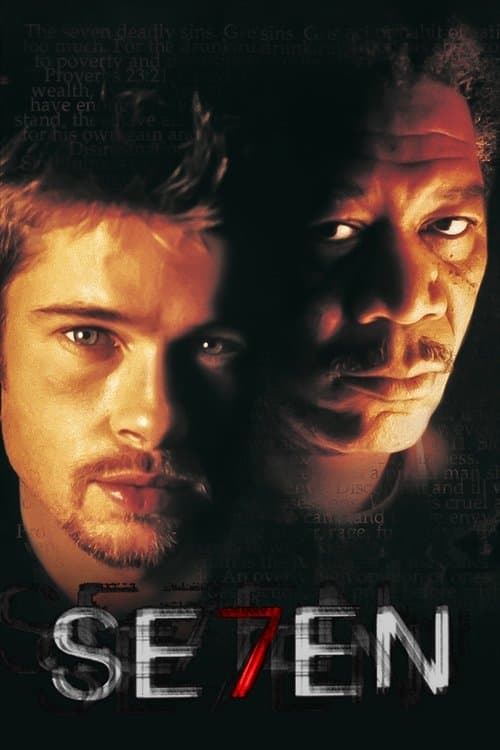
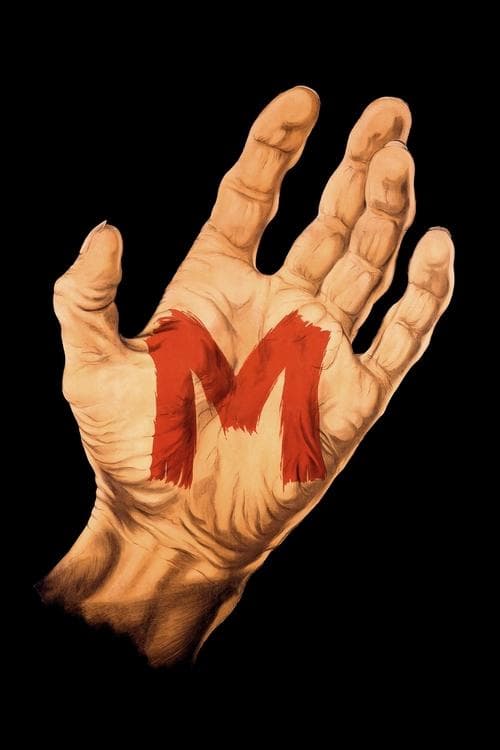
Films that share techniques with The Hunt include Richard Jewell (2019), Se7en (1995), M (1931), The Power of the Dog (2021).