Science Fiction · Action · Drama

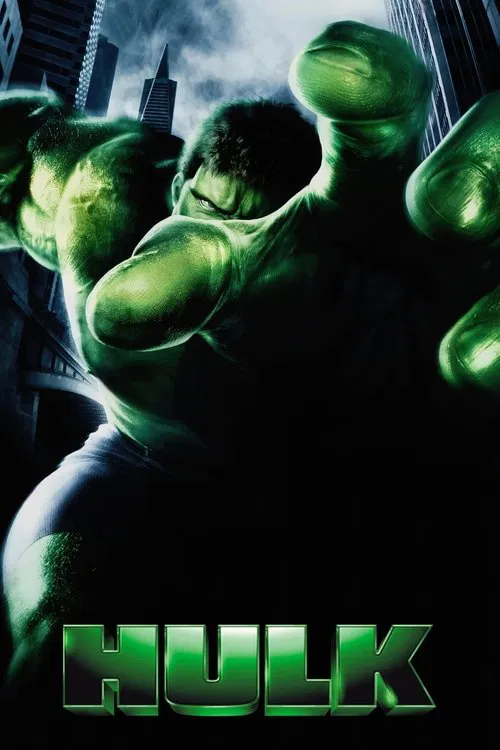
Hulk

Ang Lee, 2003

A lab accident wakes a gamma-powered monster inside scientist Bruce Banner, and his estranged father and an army general both want a piece of him. Ang Lee treats it as a Greek tragedy in superhero clothes. Watch for his experiment with putting comic book panels on screen.

Hulk (2003) poster

At a glance

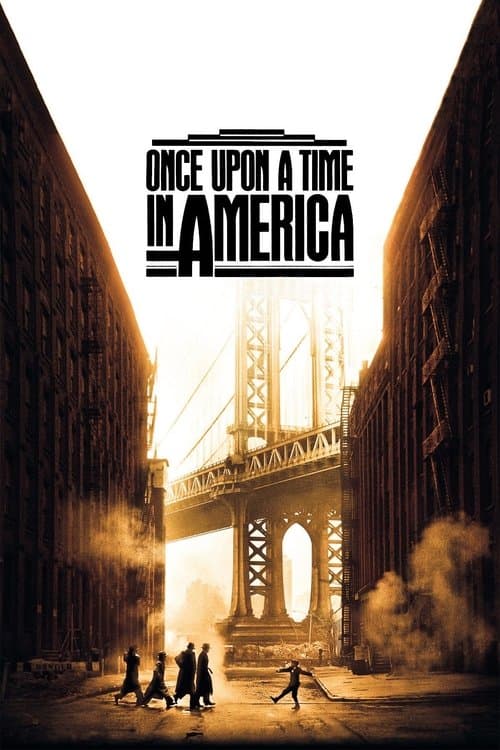
Hulk is a 2003 science fiction, action and drama film directed by Ang Lee. This breakdown covers 5 techniques (1 psychology, 2 editing, 1 cinematography and 1 narrative), each with the scene where you can see it. If you like how it is made, Once Upon a Time in America uses several of the same techniques.

Psychology

Psychological Doubling

Pairing the main character with a second character who mirrors them. The double shows what the hero wants, fears or secretly is.

How this film uses it

David Banner is what Bruce could become. Both are scientists with the same altered DNA, and the father's rage grows from the same wound as his son's. Their last fight makes the mirror literal.

Where to see it

Lake fight: Bruce, as the Hulk, lets his father absorb his power at a lake. David is flooded with all the rage and pain Bruce has carried and turns into a giant green bubble.
Editing

Split Screen

Dividing the frame into two or more images shown at once. The panels compare, overlap or accelerate action that single shots could not hold together.

How this film uses it

Lee and editor Tim Squyres built multi-image frames, wipes and zip pans that copy how panels sit on a page. Sometimes 4 shots share the screen. The panels run through the whole film, from quiet conversations to big action, and critics were split on whether they work.

Where to see it

Desert battle: The Hulk breaks out of Desert Base and fights the army in the desert, knocking tanks and helicopters around.

Editing

Fractured Memory Editing

Cutting between the present and scattered, out-of-order flashbacks, the way a painful memory comes back in pieces. You put the backstory together as the character remembers it.

How this film uses it

Bruce buried his childhood after his mother's death. The film feeds you that backstory in fragments and ties the memories to his rage, so you piece together why he loses control.

Where to see it

Isolation tank: Talbot puts Bruce in an isolation tank and provokes a nightmare from his repressed memories, which triggers a transformation.

Cinematography

Performance Capture

Recording an actor's body and face with sensors, then transferring the movement onto a digital character. The actor's subtle expressions carry over to a creature that does not exist.

How this film uses it

ILM animators built the Hulk, with Lee himself performing the creature's movements through motion capture.

Where to see it

The dogs at the cabin: The Hulk finds Betty at her forest cabin and saves her from the mutated dogs, then changes back into Bruce.

Narrative

Slow Build Runtime

Running the film longer than its genre normally needs, on purpose. The extra time lets you live with the characters, so the emotional payoff feels in proportion to the wait.

How this film uses it

Lee spends a long stretch on Bruce's parents, his work and his relationship with Betty before the Hulk takes over. Reviewers called the pace slow, but the wait lets you care about a man who is afraid of his own anger.

Where to see it

Lab accident: Bruce saves a colleague from a malfunctioning gammasphere and is hit by radiation. He wakes in hospital feeling better than ever, and only later transforms and wrecks the lab.

Questions

Hulk: quick answers

What filmmaking techniques does Hulk use?
CineCode breaks down 5 techniques in Hulk (2003): Psychological Doubling, Split Screen, Fractured Memory Editing, Performance Capture and Slow Build Runtime.
Who directed Hulk?
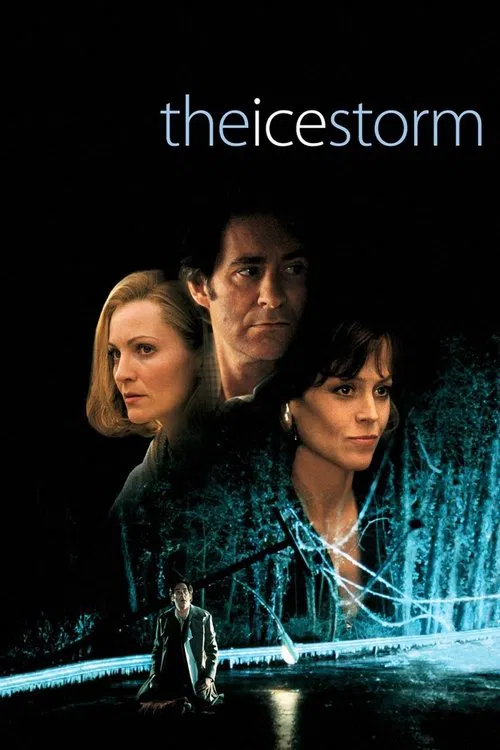
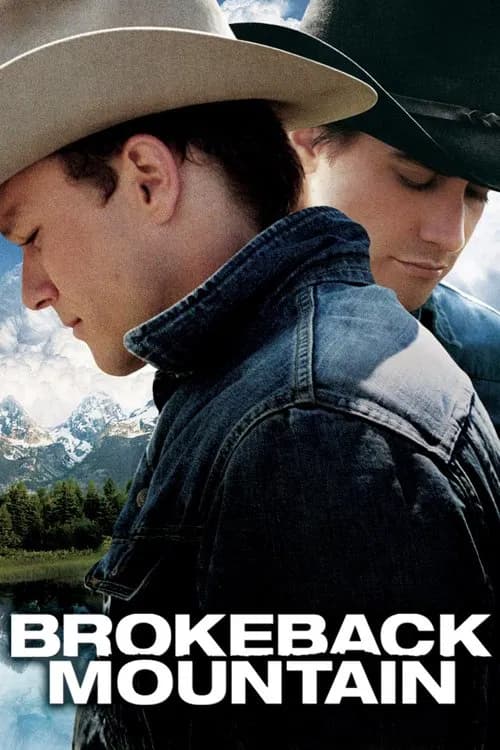
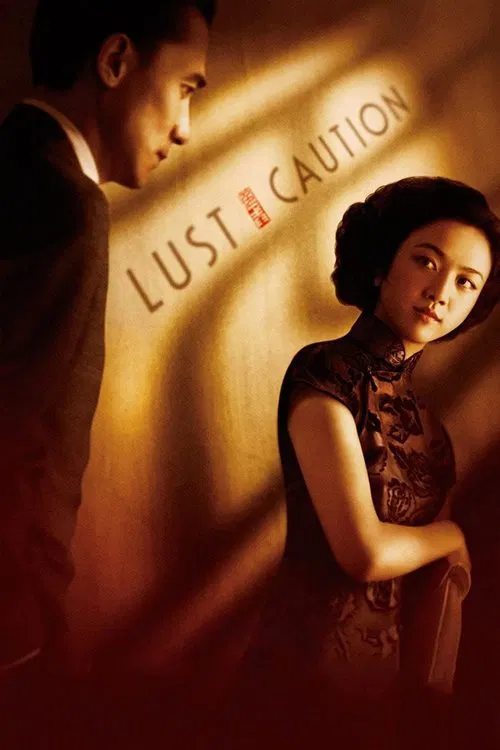
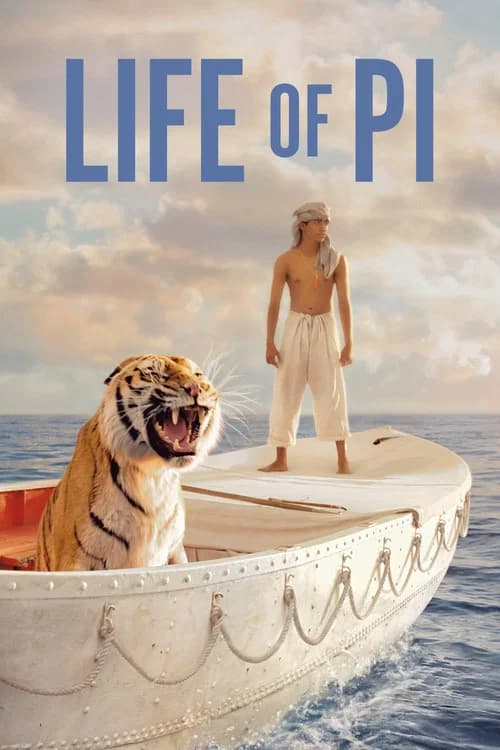
Ang Lee directed Hulk, released in 2003. CineCode also covers Sense and Sensibility (1995), The Ice Storm (1997), Crouching Tiger, Hidden Dragon (2000), Brokeback Mountain (2005), Lust, Caution (2007), Life of Pi (2012).
What films are similar to Hulk?
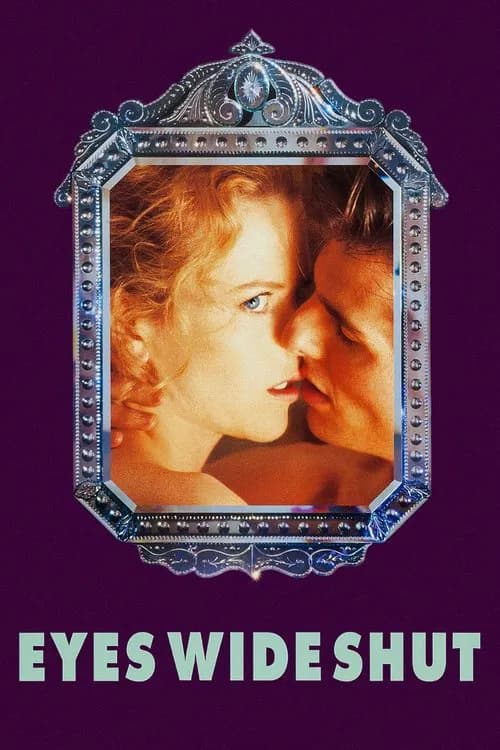
Films that share techniques with Hulk include Once Upon a Time in America (1984), Eyes Wide Shut (1999), Avatar: The Way of Water (2022), The BFG (2016).