Action · Crime · Thriller

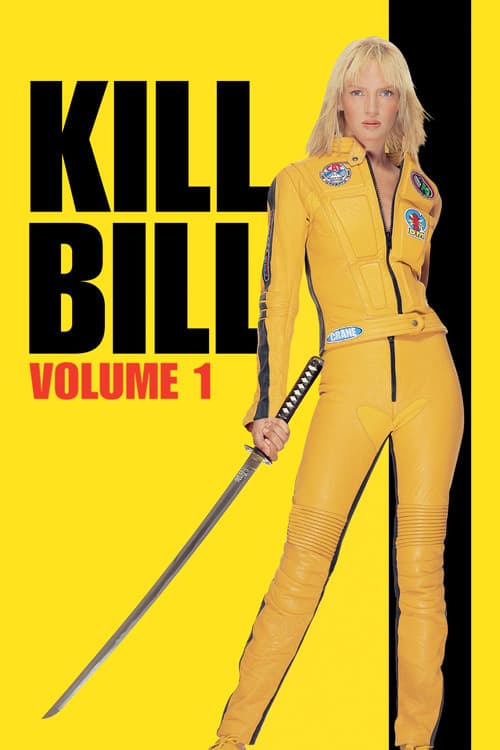
Kill Bill: Volume 1

Quentin Tarantino, 2003

A former assassin, known only as The Bride, wakes up from a 4-year coma. She starts working through her list of the people responsible for the massacre at her wedding rehearsal. Tarantino's revenge epic is big and theatrical on purpose. It is a love letter to several cinema traditions, put together with the glee of a filmmaker who is free to do anything.

Kill Bill: Volume 1 (2003) poster

At a glance

Kill Bill: Volume 1 is a 2003 action, crime and thriller film directed by Quentin Tarantino. This breakdown covers 5 techniques (4 narrative and 1 editing), each with the scene where you can see it. If you like how it is made, Pulp Fiction uses several of the same techniques.

Narrative

Genre Collage

Mixing several genres in 1 film, such as crime, romance, horror and absurd comedy. The clash between them keeps you from settling into a single way of watching.

How this film uses it

Kill Bill moves through martial arts, spaghetti western, anime, exploitation and Japanese samurai cinema within a single film. Each section borrows the complete look of a different genre.

Where to see it

The House of Blue Leaves sequence. In one long set piece, it cycles through sword fights, martial arts choreography and a stretch shot in black and white.

Narrative

Two-Film Diptych Structure

Splitting a story into 2 halves, or 2 films, that each have their own tone, look and main character. The meaning comes from the contrast between them.

How this film uses it

Volume 1 is theatrically violent and playful with form. Volume 2 is slower, more personal and more Western. Together, they form a complete revenge story. Separately, each one is incomplete.

Where to see it

The final line, where Bill asks if the Bride knows her daughter is still alive. It closes the first volume as both a conclusion and a promise, and it only makes sense next to the sequel.

Narrative

Violence as Cathartic Argument

Building up tension and then releasing it in explicit violence that carries the film's moral or political point. The violence makes you feel what historical distance has turned abstract.

How this film uses it

Tarantino builds the O-Ren Ishii sequence as pure release. The amount of blood is theatrical and nowhere near realistic. That tells you the film has left the world of crime and entered one of myth and justice.

Where to see it

The Crazy 88 sequence in the House of Blue Leaves. The violence becomes choreography and the blood becomes theatrical punctuation.

Narrative

Non-Linear Narrative

Telling the story out of order by jumping between time periods. The order you see events in changes how you understand them.

How this film uses it

The Bride doesn't go through her kill list in order, and Volume 1 skips to O-Ren mid-list. The wedding massacre is shown in pieces across both volumes, and the full truth waits until the sequel.

Where to see it

The opening. The film starts with the Bride shot at her wedding chapel, jumps to her fight with Vernita Green and only then goes back to the hospital and her path to Japan. The film throws off your sense of time on purpose.

Editing

Non-Diegetic Insert

Cutting to an image from outside the story's time and place, such as a memory, fantasy or symbol. It shows what a character feels or comments on the scene.

How this film uses it

O-Ren Ishii's origin story is told entirely in anime. This insert sits outside the live-action reality of the film. That tells you her backstory is too extreme and too mythic for the style of everything else.

Where to see it

The animated sequence showing O-Ren's childhood trauma. It works as its own short film inside the feature.

Questions

Kill Bill: Volume 1: quick answers

What filmmaking techniques does Kill Bill: Volume 1 use?
CineCode breaks down 5 techniques in Kill Bill: Volume 1 (2003): Genre Collage, Two-Film Diptych Structure, Violence as Cathartic Argument, Non-Linear Narrative and Non-Diegetic Insert.
Who directed Kill Bill: Volume 1?
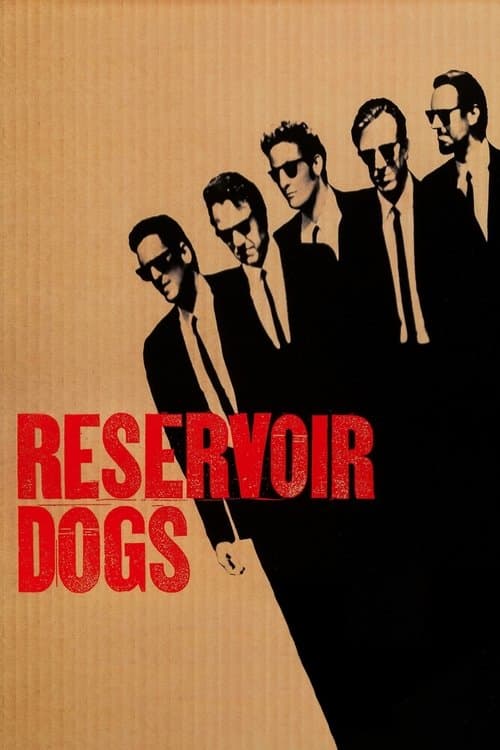
Quentin Tarantino directed Kill Bill: Volume 1, released in 2003. CineCode also covers Reservoir Dogs (1992), Pulp Fiction (1994), Jackie Brown (1997), Kill Bill: Vol. 2 (2004), Death Proof (2007), Inglourious Basterds (2009).
What films are similar to Kill Bill: Volume 1?
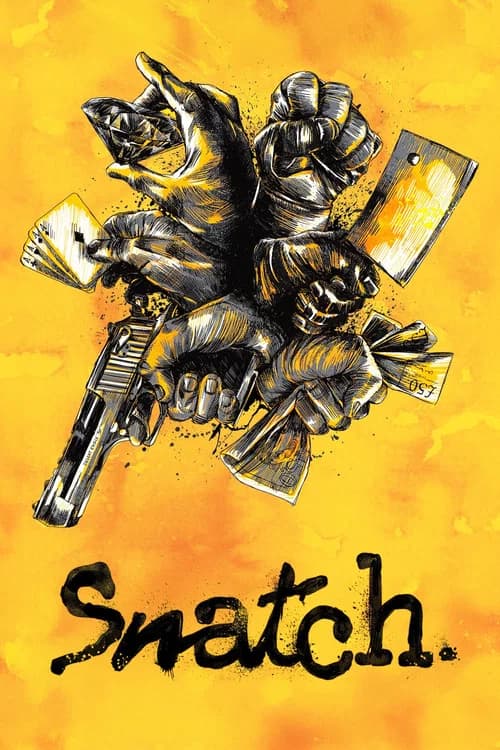
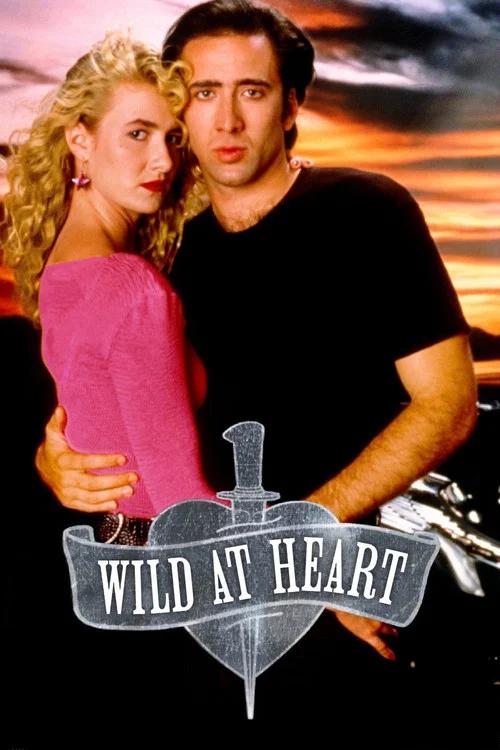
Films that share techniques with Kill Bill: Volume 1 include Pulp Fiction (1994), Inglourious Basterds (2009), Snatch (2000), Wild at Heart (1990).