Drama · Comedy

Crimes and Misdemeanors

Woody Allen, 1989

A prominent ophthalmologist arranges the murder of his mistress to protect his marriage and career. No divine punishment or social consequence comes, and he is forced to decide whether the universe cares at all. Alongside that story, a documentary filmmaker's romantic failure plays out as absurd comedy. I feel like this is Woody Allen's darkest argument.

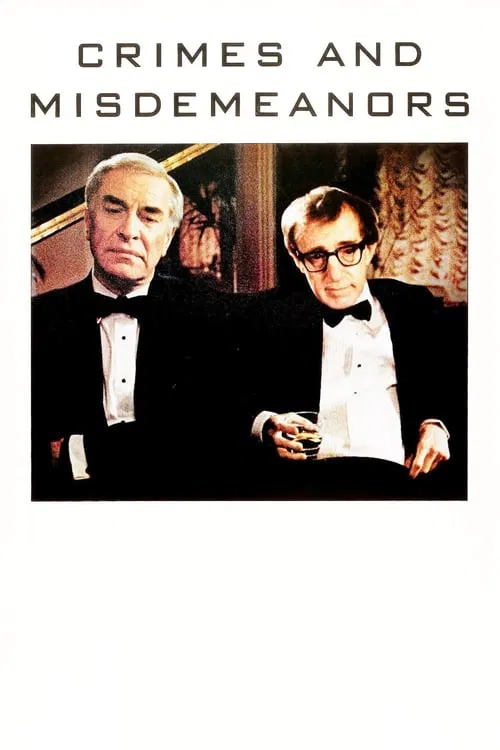
Crimes and Misdemeanors (1989) poster

At a glance

Crimes and Misdemeanors is a 1989 drama and comedy film directed by Woody Allen. This breakdown covers 4 techniques (2 narrative, 1 psychology and 1 cinematography), each with the scene where you can see it. If you like how it is made, Three Colors: Red uses several of the same techniques.

Narrative

Parallel Chronology

Cutting back and forth between 2 timelines, often past and present. Each one helps explain the other as the film goes on.

How this film uses it

Allen runs 2 completely different films at the same time, Judah's moral thriller and Clifford's romantic comedy. He never lets them connect until the final scene. The contrast between the 2 tones is how the film shows that the universe treats different kinds of failure very differently.

Where to see it

The cut between Judah's murder plot and Clifford's hapless documentary work. The same film holds both without resolving them. The gap in tone between them is the subject.
Psychology

Epistemic Collapse

Taking away, piece by piece, any way of telling truth from delusion. A character's whole understanding of events falls apart, and you end up just as lost.

How this film uses it

Judah discovers that the universe doesn't punish murder. His crime goes undetected, his life continues and God's eyes aren't watching. Knowing that he is free destroys his old sense of right and wrong more completely than punishment could have.

Where to see it

Judah at the wedding reception, telling Clifford his 'story'. The murderer asks the filmmaker to imagine a crime with no divine consequence. The made-up scenario is a barely hidden confession.

Narrative

Moral Complexity Without Villains

Writing a conflict with no villain whose defeat would fix things. Every side has real reasons, and the harm comes from ordinary people protecting themselves, so nothing resolves cleanly.

How this film uses it

Judah is a respected man, a loving father and a philanthropist, and there is nothing monstrous about him. He commits his crime to protect the life he has built, and he takes no pleasure in cruelty. The horror of the film is how normal the killer is.

Where to see it

Judah's fantasy of a family seder at his childhood home, where his devout father argues for God's justice. The father stands for a moral code. The son has discovered that the code only promises consequences and does nothing to prevent the crime.

Cinematography

Light-Shadow Moral Coding

Lighting good characters in warm, bright light and putting corrupt ones in shadow or sickly color. You can read who is safe and who is guilty from how a scene is lit.

How this film uses it

Sven Nykvist (Ingmar Bergman's longtime cinematographer) uses shadow expressively in the Judah storyline. The moral darkness of the murder plot is shown in chiaroscuro, which is strong contrast between light and dark. The Clifford comedy escapes it entirely.

Where to see it

Judah's scenes after the murder. Nykvist's shadows deepen around him. The light in his life literally pulls back as the moral weight of what he has done piles up.

Questions

Crimes and Misdemeanors: quick answers

What filmmaking techniques does Crimes and Misdemeanors use?
CineCode breaks down 4 techniques in Crimes and Misdemeanors (1989): Parallel Chronology, Epistemic Collapse, Moral Complexity Without Villains and Light-Shadow Moral Coding.
Who directed Crimes and Misdemeanors?
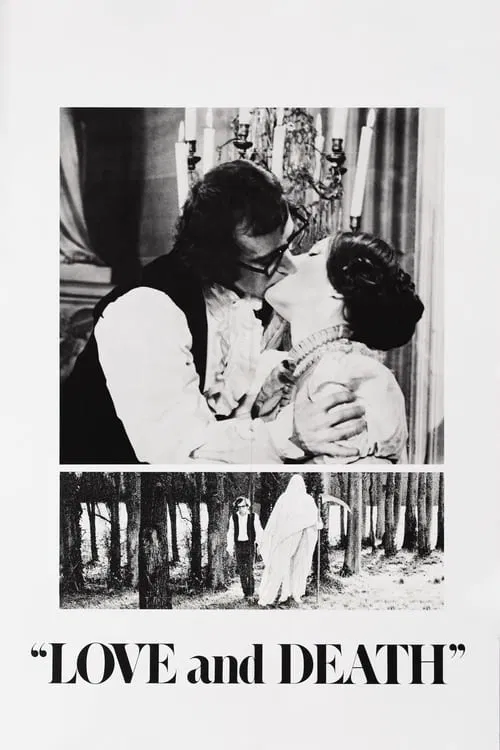
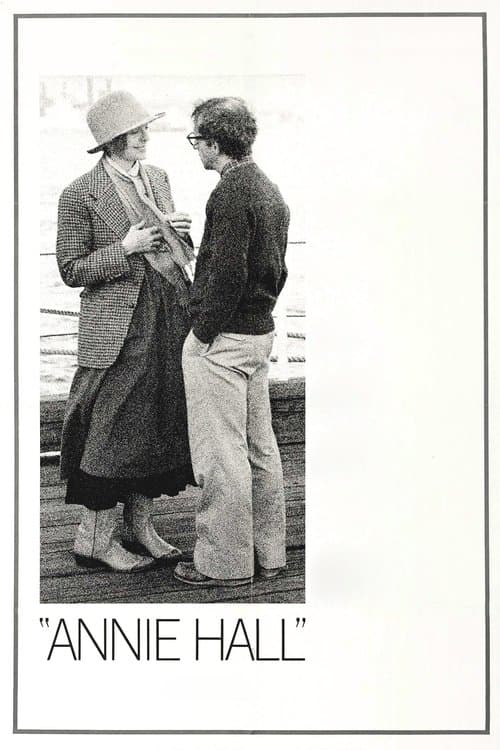
Woody Allen directed Crimes and Misdemeanors, released in 1989. CineCode also covers Take the Money and Run (1969), Bananas (1971), Everything You Always Wanted to Know About Sex *But Were Afraid to Ask (1972), Sleeper (1973), Love and Death (1975), Annie Hall (1977).
What films are similar to Crimes and Misdemeanors?
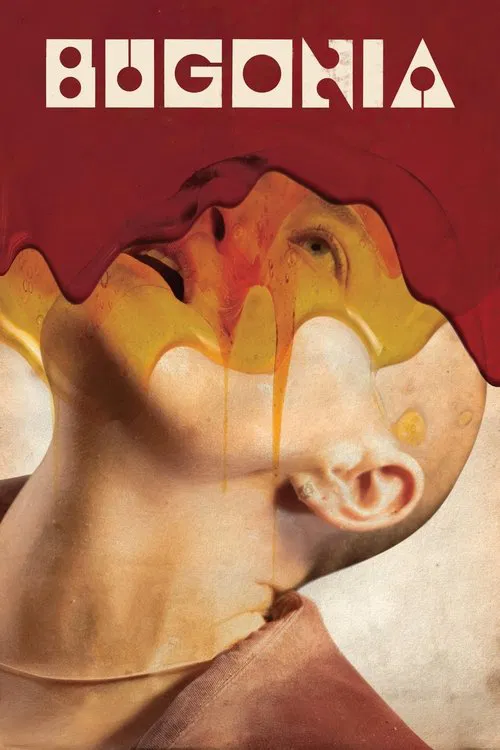
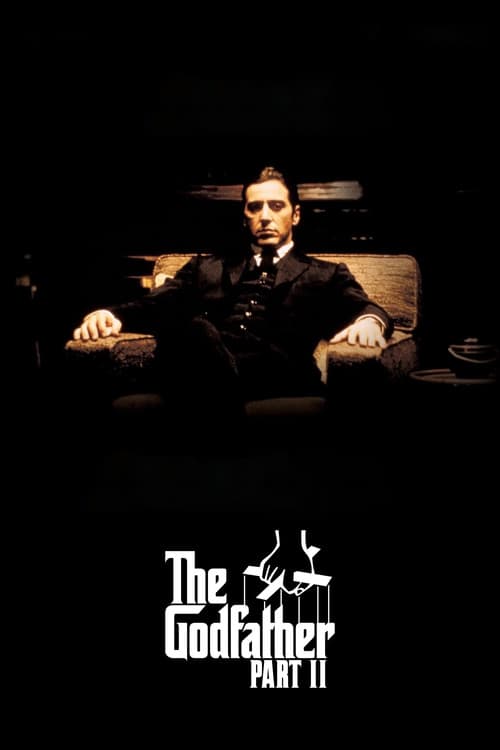
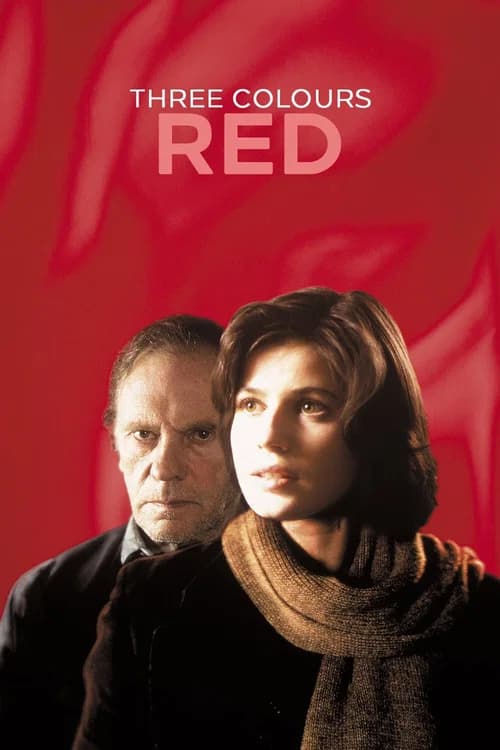
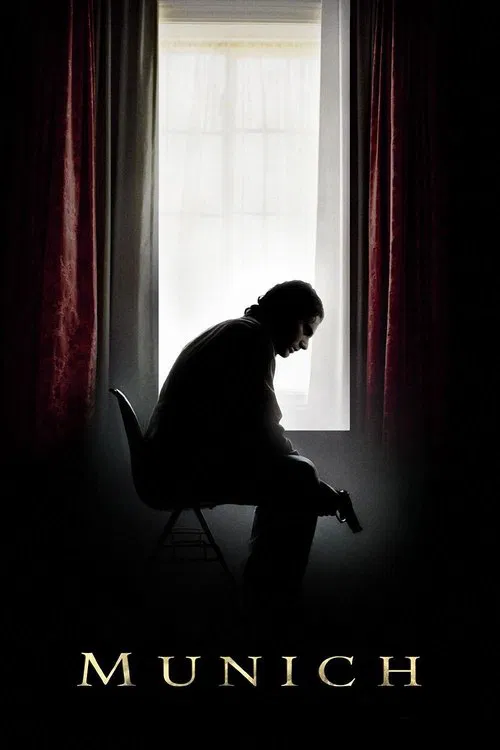
Films that share techniques with Crimes and Misdemeanors include Three Colors: Red (1994), Munich (2005), Bugonia (2025), The Godfather Part II (1974).