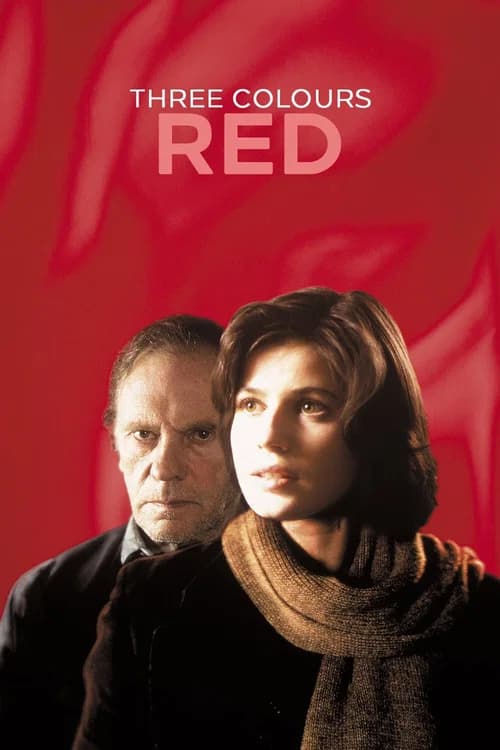
A model in Geneva accidentally runs over a dog and meets its owner, a retired judge who illegally wiretaps his neighbors. The 2 of them form an unlikely bond despite the decades between them. Kieślowski's final film is about fraternity and coincidence. It asks whether lives are connected by design or by the grace of paying attention.
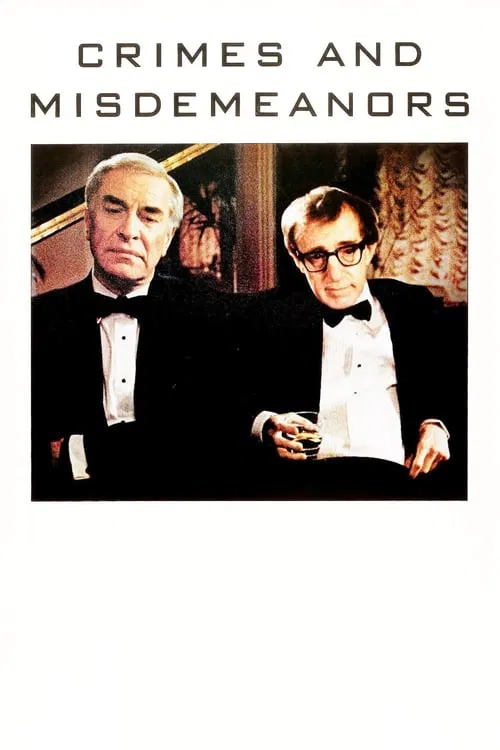
Three Colors: Red is a 1994 drama and mystery film directed by Krzysztof Kieślowski. This breakdown covers 4 techniques (1 cinematography and 3 narrative), each with the scene where you can see it. If you like how it is made, Crimes and Misdemeanors uses several of the same techniques.
Giving specific colors to characters, groups or ideas and sticking to them through the film. Each time a color appears, it tells you something beyond what is shown.
How this film uses it
Red stands for fraternity in the French tricolor flag, and it fills Valentine's world with the warmth of human connection. You see it in her clothing, on billboards and in the film's signature poster image. Every time it shows up, the film is telling you this story is about the chance of being truly known.
Where to see it
The billboard of Valentine's face in red. Her image is oversized and simplified, on show to the public in a way her inner life isn't. The red marks how visible she is and how private she stays.
Saving a reveal for the climax that changes the meaning of every scene before it. You have to rebuild the whole film in your head with the new knowledge.
How this film uses it
The trilogy's closing sequence reveals something about the young judge who appears in Red. He is living the same life the retired judge lived 40 years earlier. Once you know that, Red becomes a film about one life lived twice, which is fraternity across time.
Where to see it
The final shot connecting the main characters of all 3 films. You find out the coincidences were built in all along. Kieślowski's hidden design finally becomes visible.
Cutting back and forth between 2 timelines, often past and present. Each one helps explain the other as the film goes on.
How this film uses it
The retired judge's past and the young judge's present run side by side, and nobody in the film points it out. They share the same situations, the same betrayals and the same emotional ground. The film suggests that human experience repeats across generations in patterns neither generation can see.
Where to see it
The young judge repeating the choices the retired judge made early in life. You can see the parallel from the audience. The characters living inside it can't.
Writing a conflict with no villain whose defeat would fix things. Every side has real reasons, and the harm comes from ordinary people protecting themselves, so nothing resolves cleanly.
How this film uses it
The judge's wiretapping is indefensible and understandable at the same time. Kieślowski refuses to condemn the man. The judge listens to his neighbors out of the same loneliness that makes Valentine seek him out.
Where to see it
Valentine discovering the judge's surveillance equipment and confronting him. The film never settles whether his invasion of privacy can be forgiven. I feel like both answers are equally true.
Questions
Three Colors: Red: quick answers
What filmmaking techniques does Three Colors: Red use?
CineCode breaks down 4 techniques in Three Colors: Red (1994): Color Symbolism, Retroactive Reframing Revelation, Parallel Chronology and Moral Complexity Without Villains.
Who directed Three Colors: Red?
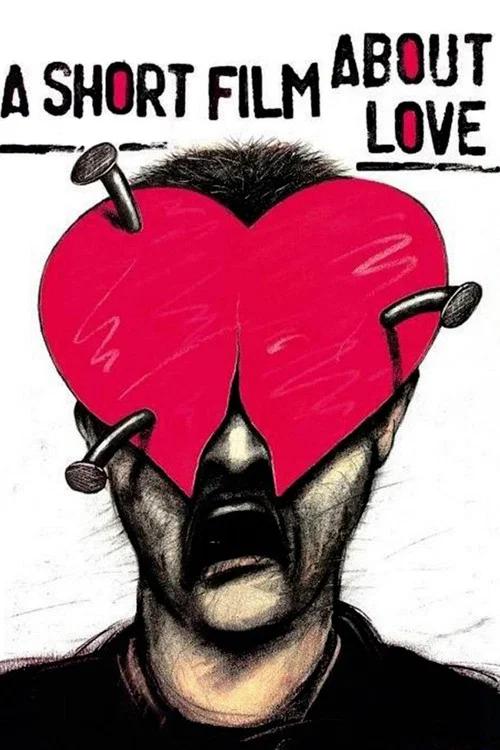
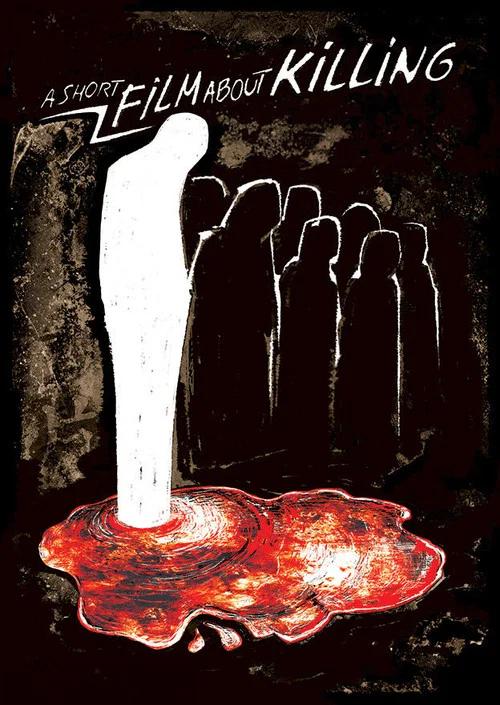
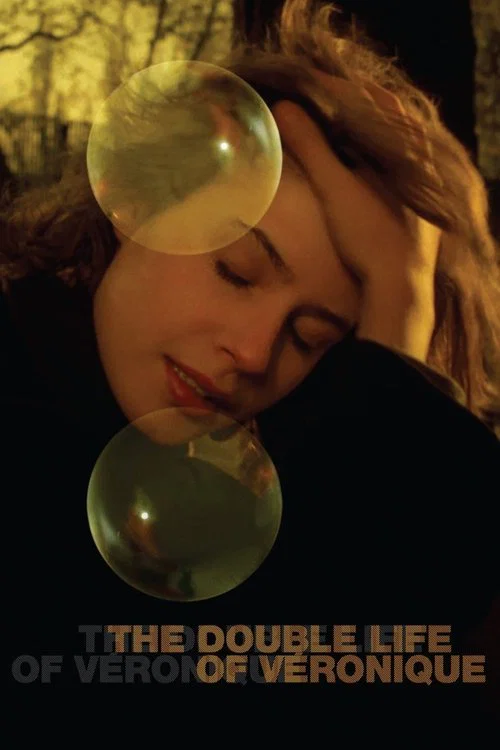
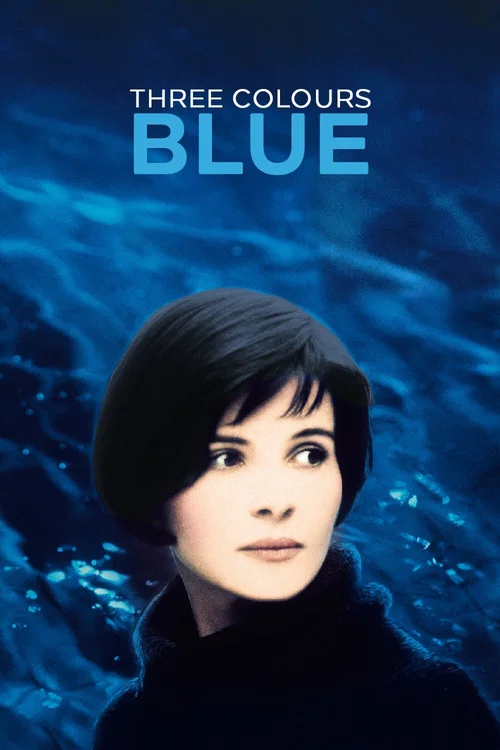
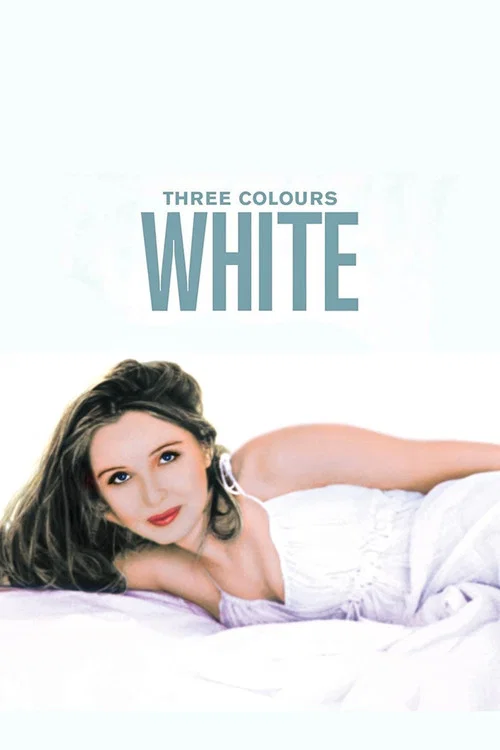
Krzysztof Kieślowski directed Three Colors: Red, released in 1994. CineCode also covers A Short Film About Love (1988), A Short Film About Killing (1988), The Double Life of Véronique (1991), Three Colors: Blue (1993), Three Colors: White (1994).
What films are similar to Three Colors: Red?
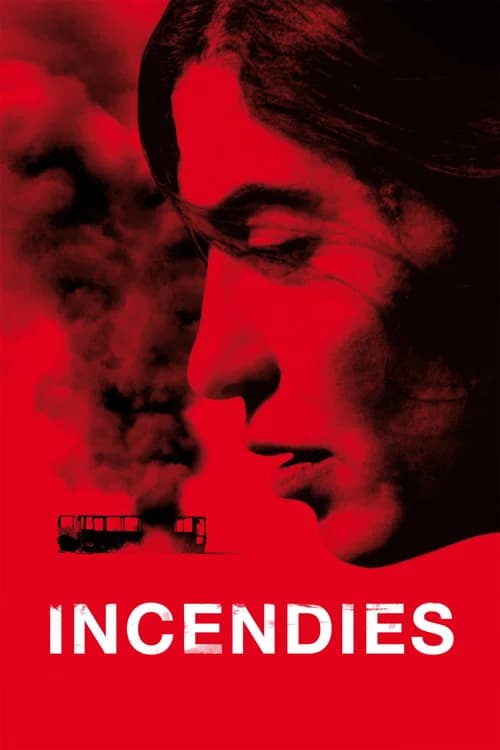
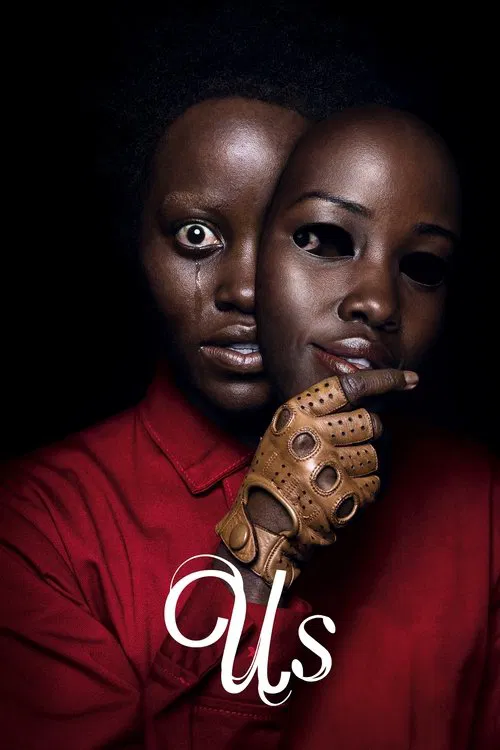
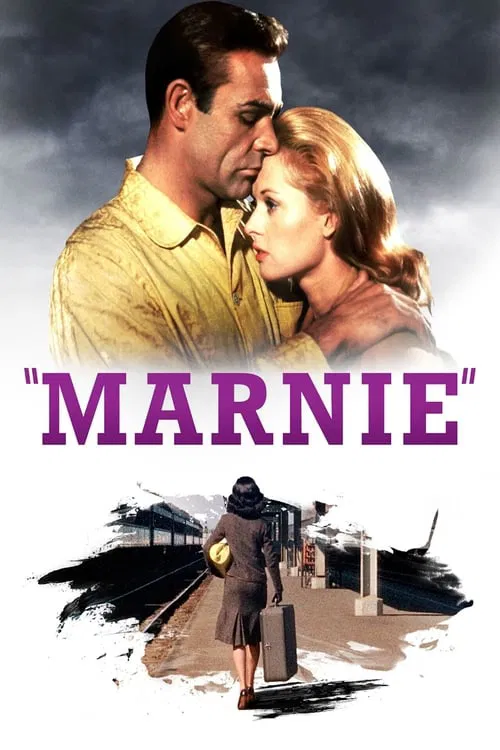
Films that share techniques with Three Colors: Red include Crimes and Misdemeanors (1989), Incendies (2010), Us (2019), Marnie (1964).