Drama · History

Throne of Blood

Akira Kurosawa, 1957

Two samurai commanders get lost in a haunted forest and meet a spirit who predicts their futures. Pushed by his wife Asaji, Washizu murders his lord to make the prophecy come true, and the killing never stops. This is Macbeth moved to feudal Japan. Watch how Kurosawa uses fog, stillness and stage traditions to turn the play into a ghost story.

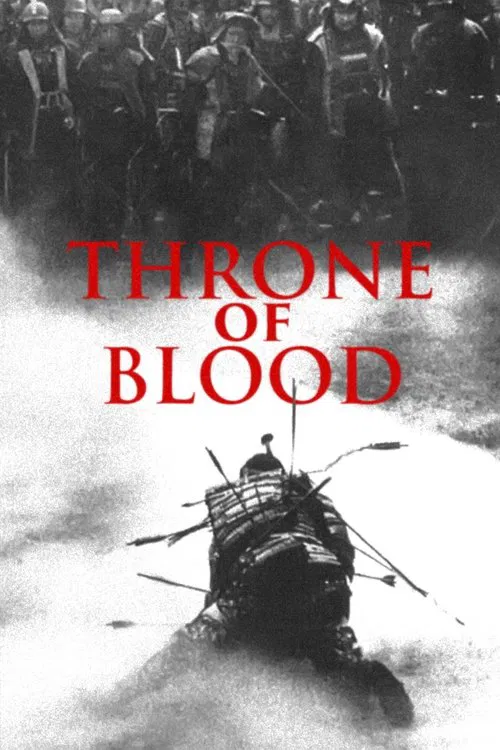
Throne of Blood (1957) poster

At a glance

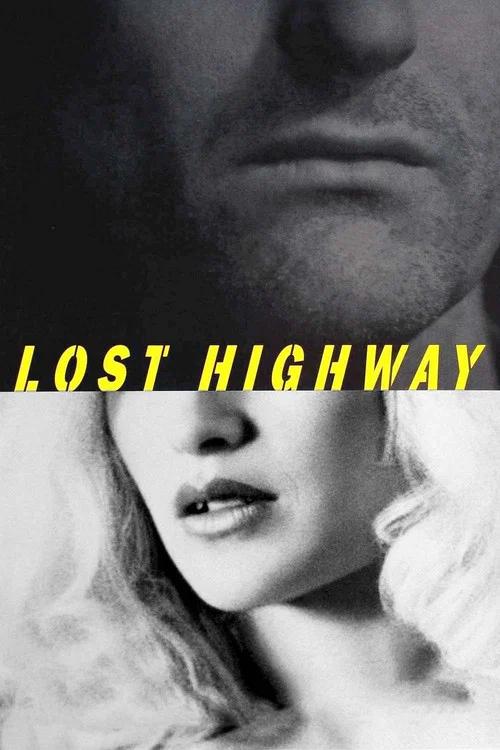
Throne of Blood is a 1957 drama and history film directed by Akira Kurosawa. This breakdown covers 5 techniques (2 narrative, 2 cinematography and 1 psychology), each with the scene where you can see it. If you like how it is made, Lost Highway uses several of the same techniques.

Narrative

Shakespearean Adaptation

Moving the plot, character relationships and themes of a Shakespeare play into a new time, place or genre. The basic dramatic structure stays, and the world around it changes.

How this film uses it

Kurosawa keeps the bones of Macbeth and changes almost everything around them. The 3 witches become 1 pale spirit in the forest, and Lady Macbeth becomes Asaji, who barely raises her voice. You know the story, so you watch every step toward the murder with dread.

Where to see it

The spirit in Spider's Web Forest. Washizu and Miki find a ghostly figure spinning thread in a hut, and it tells them exactly what titles they will get that day.
Cinematography

Theatrical Staging

Borrowing stage conventions such as curtains, masks, bare sets and ritual movement. Scenes become formal and life starts to look like a performance.

How this film uses it

Kurosawa was a big fan of Noh, a centuries-old Japanese stage tradition. Asaji sits almost perfectly still with a face like a mask, and the spirit's makeup recalls Noh masks too. The flute and drum in the score also come from Noh. The whole film feels like a ritual being performed.

Where to see it

Asaji persuading Washizu to kill Tsuzuki. She kneels motionless while she talks him into murder, and her calm is scarier than any shouting would be.

Psychology

Unreliable Reality

Keeping it unclear what is real and what is imagined in the film's world. You end up as unsure as the main character.

How this film uses it

The film shows you Miki's ghost sitting at the banquet as clearly as any living guest. Then the seat is empty and Washizu is slashing at nothing in front of his court. You saw what he saw, so his guilt pulls you in with him.

Where to see it

The banquet. A drunk Washizu sees the murdered Miki in his seat, draws his sword and gives himself away in front of everyone.

Cinematography

Practical In-Camera Effects

Creating effects physically on set with makeup, prosthetics, built props and camera tricks, with no computer graphics added later. The results look solid and real.

How this film uses it

Washizu's death was shot with real arrows fired by skilled archers at Toshiro Mifune. You can see the panic in his body as they thud into the walls around him. No trick shot could give you that much fear.

Where to see it

Washizu's death. His own archers turn on him, and arrow after arrow slams into the wood beside him before one goes through his neck.

Narrative

Circular Structure

Ending the film where it started, or with a scene that echoes the opening. The repeat shows what has changed, or suggests the cycle will keep going.

How this film uses it

The film opens on fog drifting over the ruins of the castle while a chorus sings about it, and it closes on the same image. Everything Washizu killed for ends as a marker in an empty landscape. You watch the whole story knowing it comes to nothing.

Where to see it

The opening and closing shots. Fog covers the slopes where the castle once stood, and the chorus sings that Washizu's spirit still lingers there.

Questions

Throne of Blood: quick answers

What filmmaking techniques does Throne of Blood use?
CineCode breaks down 5 techniques in Throne of Blood (1957): Shakespearean Adaptation, Theatrical Staging, Unreliable Reality, Practical In-Camera Effects and Circular Structure.
Who directed Throne of Blood?
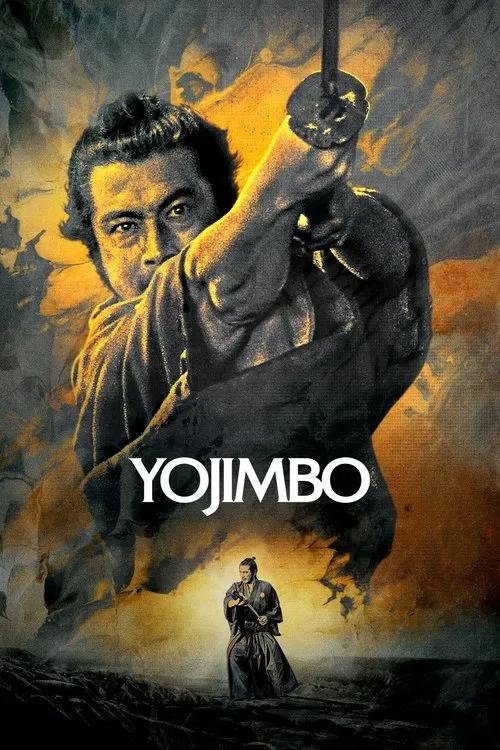
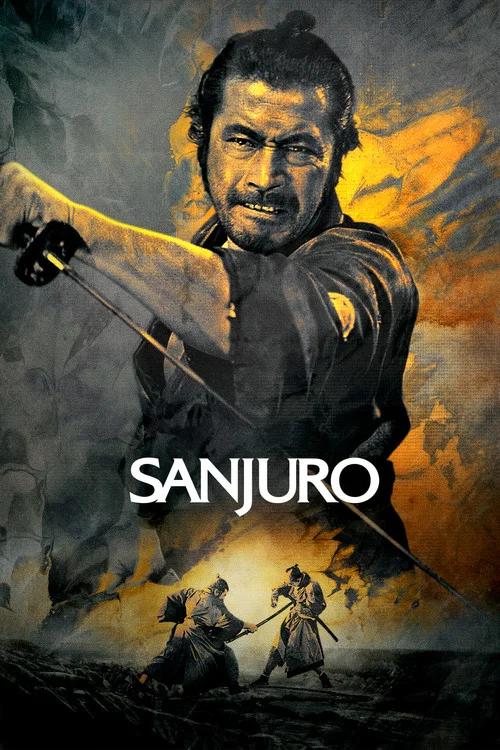
Akira Kurosawa directed Throne of Blood, released in 1957. CineCode also covers Rashomon (1950), Ikiru (1952), Seven Samurai (1954), The Hidden Fortress (1958), Yojimbo (1961), Sanjuro (1962).
What films are similar to Throne of Blood?
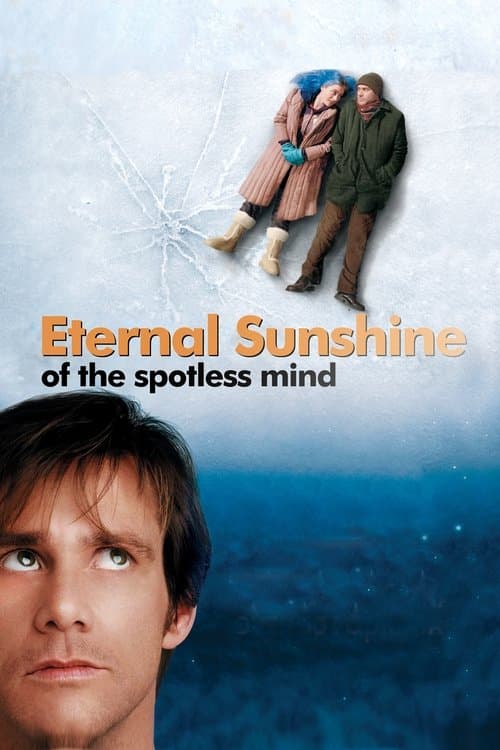
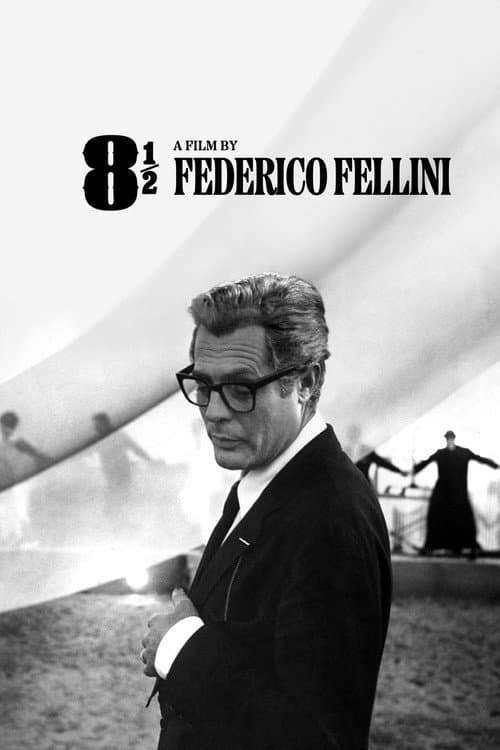
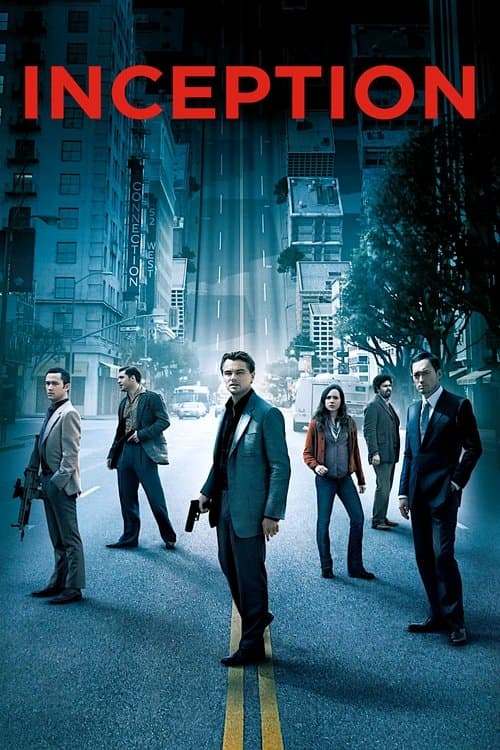
Films that share techniques with Throne of Blood include Lost Highway (1997), Inception (2010), Eternal Sunshine of the Spotless Mind (2004), 8½ (1963).

Side by side

Compare it with