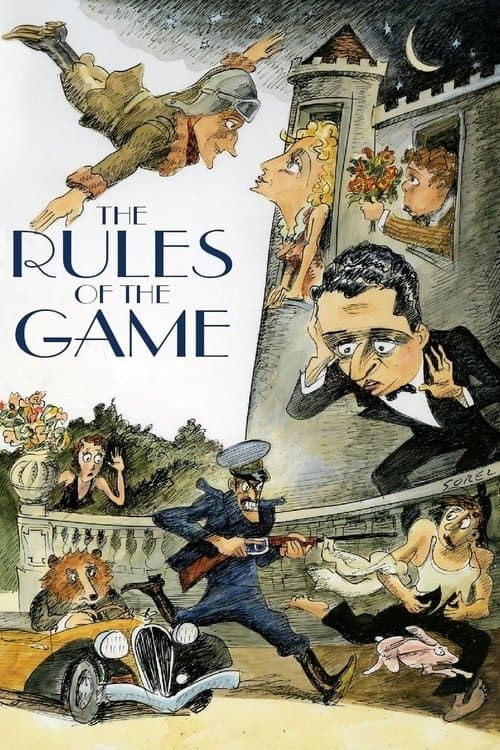
A weekend house party at a French château brings together aristocrats and their servants in a tangle of love affairs. Each of them plays by rules they barely understand. Jean Renoir's masterpiece is savagely funny and sad. It dissects a class that history is about to destroy.
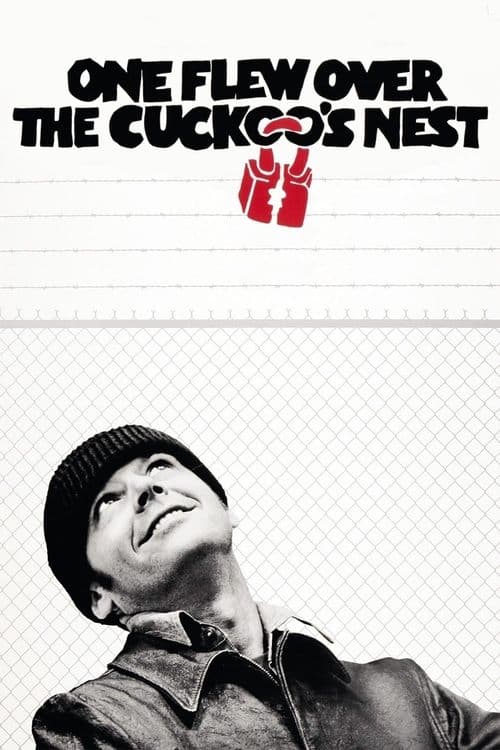
The Rules of the Game is a 1939 comedy and drama film directed by Jean Renoir. This breakdown covers 5 techniques (3 narrative and 2 cinematography), each with the scene where you can see it. If you like how it is made, One Flew Over the Cuckoo's Nest uses several of the same techniques.
Using a party or celebration as the place where normal rules are dropped and characters show who they really are. Afterwards, order often comes back down hard.
How this film uses it
The château party is exactly the kind of civilized place where you can break the rules as long as nobody says so out loud. That holds until a guest arrives who doesn't know the rules.
Where to see it
The theatrical performance during the party. The costumes let the characters drop their social roles for a little while.
Introducing a large cast only through what they say and do in the present. There are no flashbacks or explained histories, yet each character feels distinct.
How this film uses it
Renoir fills the film with around 12 distinct personalities, including aristocrats, servants, lovers and buffoons. You get to know each one fully through action alone. No scene stops to explain them.
Where to see it
The opening arrival scene at the château. The whole social ladder is set up through how people move and where they stand.
Letting the audience know something a character doesn't. You watch them act without that knowledge, which creates suspense, dread or dark comedy.
How this film uses it
You watch romantic lies and cases of mistaken identity play out while each person believes they are in control. The gap between how they see themselves and what is real drives the film's comedy.
Where to see it
The rabbit hunt. The killing of the animals hints at the human deaths to come. We can see that and they can't.
Casting unknown or non-professional actors with real accents and everyday looks alongside the leads. The group feels like an actual community, and nothing seems scripted or glamorous.
How this film uses it
Renoir stages scenes with several conversations going on at the same time and characters crossing in and out of frame. It gives you the feeling of a world that carries on beyond what the camera is watching.
Where to see it
The dinner table sequences. You can hear the background conversations as clearly as the ones up front.
Using one enclosed outdoor space, often seen from the main character's position, like a theater stage. Several stories and key confrontations play out there at once.
How this film uses it
The grounds of the château include gardens, corridors and a greenhouse. They become a stage where you can see class barriers dissolve and form again. The physical space mirrors how shaky the social order is.
Where to see it
The mistaken-identity climax at the greenhouse. Schumacher takes Christine for Lisette, then takes André in Octave's coat for Octave, and shoots him dead.
Questions
The Rules of the Game: quick answers
What filmmaking techniques does The Rules of the Game use?
CineCode breaks down 5 techniques in The Rules of the Game (1939): The Party as Transgression, Ensemble Characterization Without Backstory, Dramatic Irony, Naturalistic Ensemble Casting and Courtyard as Narrative Stage.
Who directed The Rules of the Game?
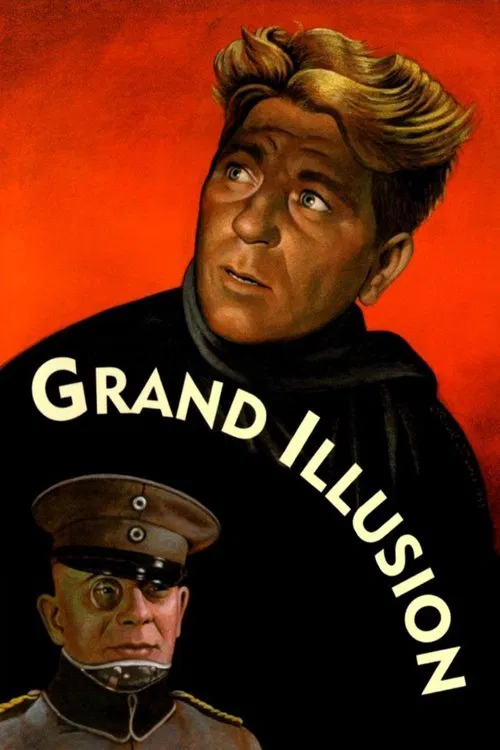
Jean Renoir directed The Rules of the Game, released in 1939. CineCode also covers Grand Illusion (1937).
What films are similar to The Rules of the Game?
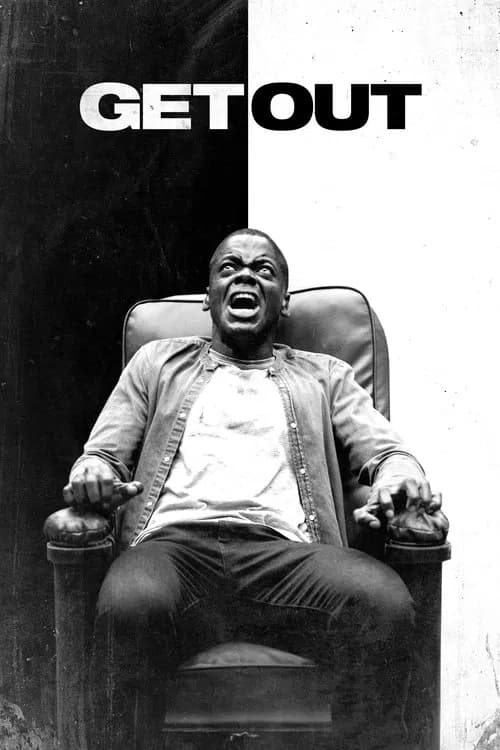
Films that share techniques with The Rules of the Game include One Flew Over the Cuckoo's Nest (1975), Dazed and Confused (1993), Everybody Wants Some!! (2016), Get Out (2017).